
Table of Contents
- Can Copper Peptides Cause Irritation?
- Why Copper Peptides Trigger Skin Reactions
- Common Side Effects and the 'Copper Uglies' Phenomenon
- How to Use Copper Peptides Safely
- Copper Peptides and Vitamin C: Ingredient Interactions
- Understanding Copper Peptide Skin Purging
- Recovery Protocols for Irritated Skin Barriers
- Frequently Asked Questions
Last Updated: September 1, 2026
Can Copper Peptides Cause Irritation?
Yes, copper peptides can cause irritation in some people, particularly those with sensitive skin or when used incorrectly. The question of whether can copper peptides cause irritation is one that deserves a straightforward answer: it depends on concentration, application method, skin barrier health, and individual sensitivity. At Pepcare Lab, we've developed our copper peptide formulations specifically with this concern in mind, understanding that irritation risk is real but manageable with proper usage. This guide walks you through what triggers reactions, how to recognise them, and most importantly, how to use copper peptides safely without compromising your skin barrier.

Copper peptides, particularly in the form of GHK-Cu, are powerful compounds that stimulate collagen synthesis and support skin renewal. That same efficacy is what can occasionally cause temporary irritation, especially during the adjustment phase. The good news: understanding the mechanism behind reactions puts you in control. Most irritation is preventable through patch testing, gradual introduction, and proper complementary ingredient selection.
Why Copper Peptides Trigger Skin Reactions
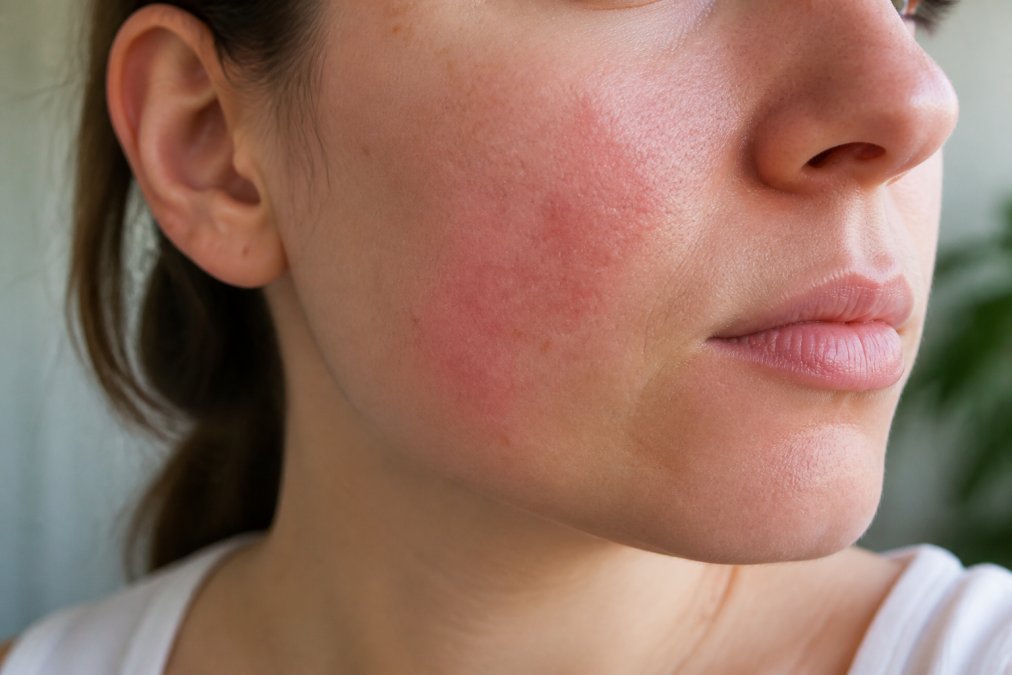
Copper peptides work by signalling your skin cells to increase collagen synthesis and accelerate skin turnover. This cellular activity is exactly why they're effective, but it's also why some people experience temporary redness, tingling sensations, or mild dermatitis when first introducing them.
The irritation isn't always a sign that copper peptides are wrong for you. Many people experience what's called a dermatological reaction during the initial adjustment phase. Your skin barrier is being asked to work harder, process faster, and renew more actively. For skin already compromised or hypersensitive, this acceleration can feel uncomfortable.
Concentration matters significantly here. A 1% copper peptide formulation is gentler than a 2% concentration (peer-reviewed research). Pepcare Lab's Face Serum contains 1% copper peptides, which is designed to deliver efficacy without overwhelming sensitive skin. Higher concentrations increase the likelihood of epidermal irritation, particularly in people with existing barrier damage or conditions like dermatitis.
The pH balance of your formulation also influences irritation risk. Copper peptides perform optimally at slightly acidic pH levels (around 4.5-5.5), which matches healthy skin (peer-reviewed research). Formulations outside this range can disrupt the skin microbiome and trigger unnecessary inflammation. If you're combining copper peptides with other actives, pH compatibility becomes critical.
Individual skin sensitivity varies widely. Some people's skin barriers are naturally more resilient and tolerate peptide-based actives immediately. Others have compromised barriers from previous irritants, overexfoliation, or conditions like rosacea or sensitive dermatitis. These individuals need a slower introduction and lower concentrations to avoid adverse reactions.
Common Side Effects and the 'Copper Uglies' Phenomenon
The term "copper uglies" describes a temporary worsening of skin appearance during the initial phase of copper peptide use. This isn't an allergic reaction, it's a sign that your skin is accelerating its renewal process. You might see increased breakouts, flaking, or redness for 3-7 days as dead skin cells are shed more rapidly and new skin emerges.

Common side effects during the adjustment phase include:
- Mild redness and flushing - blood flow increases to support collagen synthesis
- Tingling or slight burning sensations - nerve endings respond to increased cellular activity
- Temporary breakouts - skin purging as congestion is brought to the surface
- Dryness and flaking - accelerated skin turnover sheds dead cells faster than usual
- Sensitivity to other products - your barrier is working hard and may react to ingredients it normally tolerates
These reactions typically resolve within a week once your skin adapts (peer-reviewed research). However, if irritation persists beyond 10 days, intensifies, or includes swelling or hives, discontinue use and consult a dermatologist.
The distinction between normal adjustment and genuine incompatibility is duration and severity. Mild tingling that fades after three days is adjustment. Intense burning that doesn't improve, or a spreading rash, signals that this product isn't right for your current skin state.
Some people never experience the "copper uglies" at all, particularly if they introduce copper peptides gradually and already have a healthy barrier. Others experience pronounced purging. Neither response means the peptides aren't working, it's simply a reflection of your individual skin's starting point and sensitivity threshold.
How to Use Copper Peptides Safely
The safest approach to copper peptides follows a deliberate progression: patch test, introduce at low frequency, monitor, then gradually increase usage. Rushing this process is where most irritation problems begin.
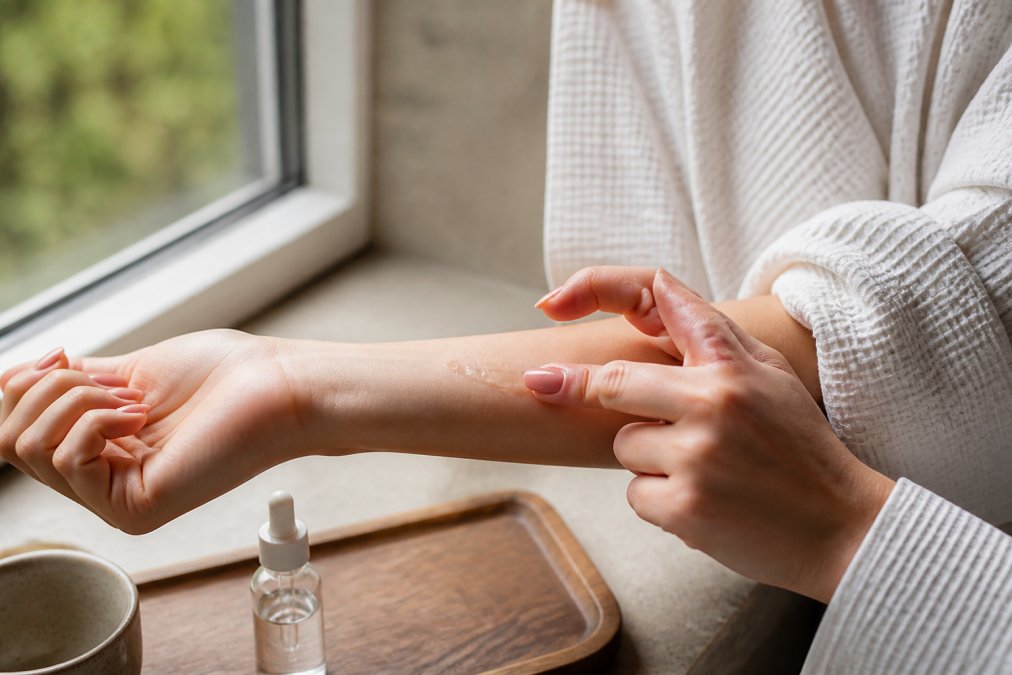
Step 1: Perform a proper patch test
Apply a small amount of your copper peptide product to the inner arm or behind the ear, areas with thinner, more reactive skin. Wait 24-48 hours before introducing it to your face. This identifies immediate hypersensitivity before it affects your visible skin.
Step 2: Start with the lowest frequency
Use your copper peptide product just 2-3 times per week for the first two weeks. This gives your skin time to build tolerance without overwhelming your barrier. Pepcare Lab's Face Serum, for instance, can be introduced at this conservative frequency.
Step 3: Apply to clean, dry skin
Moisture on your skin can dilute the peptide concentration and alter how it's absorbed. Pat skin completely dry, wait 1-2 minutes, then apply a pea-sized amount to your face, avoiding the eye area.
Step 4: Layer with barrier-supporting ingredients
Follow your copper peptide serum with a moisturiser containing niacinamide, squalane, or ceramides. Pepcare Lab's Barrier Cream is formulated to reinforce your skin barrier after peptide application, reducing irritation risk and supporting long-term skin health.
Step 5: Avoid other exfoliating actives initially
Don't combine copper peptides with retinoids, vitamin C, or exfoliating acids during the first 4 weeks. Your skin is already accelerating its renewal process, adding additional exfoliants multiplies irritation risk.
Step 6: Increase frequency gradually
After two weeks of 2-3 times weekly use with no irritation, move to 4-5 times per week. After another two weeks, you can typically progress to daily use if desired.
Step 7: Use sunscreen daily
Copper peptides increase skin turnover, which temporarily makes skin more photosensitive. Daily broad-spectrum SPF 30+ protection is non-negotiable to prevent sun damage and additional irritation.
Most people reach their optimal usage frequency within 4-6 weeks. Some find that 3-4 times weekly is their ideal maintenance dose, while others tolerate and benefit from daily application. Listen to your skin rather than forcing a prescribed routine.
Copper Peptides and Vitamin C: Ingredient Interactions
One of the most common questions we receive is whether copper peptides and vitamin C can be used together. The answer is nuanced: they can be combined, but the interaction requires understanding and careful application.
Vitamin C (ascorbic acid) is acidic, typically formulated at pH 2.5-3.5 for stability and efficacy. Copper peptides perform optimally at pH 4.5-5.5. When you layer a highly acidic vitamin C serum directly under copper peptides, you're creating a pH environment that may disrupt the peptide's function and irritate sensitive skin.
The safer approach is sequential use on alternate days, or application at different times. Use vitamin C in the morning and copper peptides in the evening, allowing each product to work in its optimal pH environment. Alternatively, if you want to use both in the same routine, apply vitamin C first, wait 15 minutes for the pH to normalise slightly, then apply your copper peptide product.
Some formulations combine vitamin C with peptides, but these require careful pH balancing by the manufacturer. Pepcare Lab's Face Serum is formulated to work alongside vitamin C without competition, so if you're already using a vitamin C product you love, our serum integrates smoothly when applied sequentially.
Never apply copper peptides immediately after an exfoliating acid or vitamin C without a buffer step. The cumulative irritation risk increases significantly. Your skin barrier needs time to recover between active treatments.
Understanding Copper Peptide Skin Purging
Skin purging is the accelerated surfacing of existing congestion, closed comedones, sebum, and dead skin cells that were already present beneath the surface. It's not an allergic reaction; it's a sign that your skin is renewing faster than usual.
During purging, you might see:
- Increased breakouts in areas where you typically congestion
- Whiteheads or small pustules appearing where your skin usually stays clear
- A general "dirtier" appearance for 3-7 days before clearing dramatically
Purging typically lasts 5-10 days and concentrates in areas prone to congestion. It's often followed by noticeably clearer, smoother skin as the underlying buildup clears.
The key distinction: purging affects only areas where you already have congestion. If you're breaking out in areas that have never been problematic, or if the breakouts don't resolve within 10 days, you're likely experiencing true irritation rather than purging.
Purging is actually a positive sign, it means the copper peptides are working to accelerate skin turnover and clear underlying congestion. Most people who push through the purging phase report significantly improved skin texture and clarity within 2-3 weeks.
Recovery Protocols for Irritated Skin Barriers
If you've experienced irritation from copper peptides, whether from starting too aggressively or from genuine incompatibility, your skin barrier needs targeted support to recover.
Immediate steps (Days 1-3):
Stop using the copper peptide product immediately. Your barrier is signalling distress, and continuing will only extend recovery time. Discontinue all other active ingredients (vitamin C, retinoids, acids, niacinamide at high concentrations).
Focus exclusively on barrier repair. Use a simple cleanser, lukewarm water, and a rich moisturiser. Pepcare Lab's Barrier Cream is specifically formulated for this phase, containing 1% copper peptides at a concentration that supports rather than stresses your barrier, alongside squalane and skin-conditioning ingredients that reinforce lipid layers.
Apply moisturiser to damp skin to lock in hydration. Barrier recovery depends on water retention, your skin needs to rebuild its natural lipid matrix, which requires moisture support.
Recovery phase (Days 4-14):
Continue your simple routine. Introduce a gentle, fragrance-free cleanser and a barrier-focused moisturiser. If your irritation was severe (intense redness, swelling, or burning), consult a dermatologist before reintroducing any actives.
Once redness subsides, you can cautiously reintroduce other products one at a time, waiting 3-4 days between additions to isolate any triggers.
Reintroduction (Week 3 onwards):
If you want to retry copper peptides after barrier recovery, start over with the patch test protocol. Use a lower concentration (1% rather than 2%) and introduce at just 2 times per week. Your barrier is still rebuilding; aggressive reintroduction will trigger the same cycle.
Many people who experienced irritation find that a slower introduction the second time around works perfectly. Your skin needed more time to adapt; it wasn't necessarily an incompatibility.
If irritation returns immediately upon reintroduction at low frequency, copper peptides may not be suitable for your skin at this time. That's valuable information, it doesn't mean you've failed, only that your barrier needs longer recovery or a different approach.
Copper peptides are powerful tools for supporting skin barrier function, promoting collagen production, and encouraging skin renewal. The irritation risk is real but manageable through informed, gradual introduction and barrier-supporting complementary ingredients. If you're concerned about sensitivity, Pepcare Lab's formulations are specifically designed for sensitive skin types, with concentrations and complementary ingredients chosen to minimise irritation while delivering visible results. Start with patch testing, introduce slowly, and layer with barrier-supporting products like our Barrier Cream to give your skin the support it needs during the adjustment phase.
Frequently Asked Questions
Can GHK-Cu cause irritation on sensitive skin?
Yes, copper peptides can trigger irritation, particularly in sensitive skin types. GHK-Cu stimulates skin turnover and collagen synthesis, which may cause temporary redness, tingling sensation, or mild dermatitis as the skin adjusts. This is most common when starting treatment or using high concentrations. Patch testing before full application and introducing the ingredient gradually minimises risk. If irritation persists beyond two weeks, discontinue use and allow your skin barrier to recover.
What shouldn't you mix with copper peptides?
Avoid combining copper peptides with exfoliating acids (glycolic, salicylic, or lactic acid) in the same routine, as this increases epidermal irritation risk. Retinoids also increase sensitivity when used simultaneously. Vitamin C serums with low pH levels can interfere with copper peptide bioavailability and stability. If you use these ingredients, apply them on alternate days or at different times. Always patch test combinations on a small area first, especially if you have a compromised skin barrier.
How long do the 'copper uglies' typically last?
The 'copper uglies', temporary purging characterised by increased breakouts, redness, and skin texture changes, usually resolve within 2-4 weeks. This occurs as copper peptides accelerate skin renewal and bring congestion to the surface. Duration depends on your skin sensitivity, concentration used, and how gradually you introduced the product. If irritation extends beyond four weeks, it may indicate an adverse reaction rather than normal purging. In this case, discontinue use and focus on barrier repair with soothing agents like niacinamide.
Why do some people experience redness after using copper peptides?
Redness occurs because copper peptides stimulate collagen synthesis and skin turnover, triggering temporary inflammation as the skin adjusts. This inflammatory response is part of the skin's natural adaptation process. However, excessive redness signals over-concentration or application too frequently. Starting with lower concentrations (1% rather than 2%) and using the product 2-3 times weekly initially reduces this risk. If redness is accompanied by burning or severe stinging, pause use and allow your skin barrier time to recover with gentle, hydrating products.
This article was written using GrandRanker