
Table of Contents
- What is the skin barrier and why it matters
- Common signs of a weak skin barrier
- What causes skin barrier damage
- How to repair a damaged skin barrier
- Ingredients to avoid with a compromised skin barrier
- How long does it take to heal a damaged skin barrier
- The minimalist approach: rebuilding trust with your skin
- Conclusion
- Frequently Asked Questions
Last Updated: August 31, 2026
What is the skin barrier and why it matters
The skin barrier, technically called the stratum corneum, is a thin layer composed of lipids, proteins, and dead skin cells that protects against environmental stressors, pathogens, and moisture loss. Think of it as a brick wall: skin cells are bricks, and lipids (ceramides, cholesterol, and fatty acids) are the mortar holding everything together.
When functioning properly, the barrier maintains healthy transepidermal water loss (TEWL), keeping skin hydrated and resilient. A compromised barrier allows water to escape freely and lets irritants penetrate deeper, triggering inflammation and sensitivity. Understanding your skin barrier is the foundation of any effective skincare routine. Most people chase trends without realising their barrier might be too damaged to tolerate active ingredients. Once you address barrier damage directly, everything else in your routine becomes more effective.
Common signs of a weak skin barrier
A weak skin barrier announces itself through persistent redness, flakiness, and sensory symptoms. Baseline inflammation across the cheeks and forehead that doesn't fade even without irritating products is the most obvious signal.
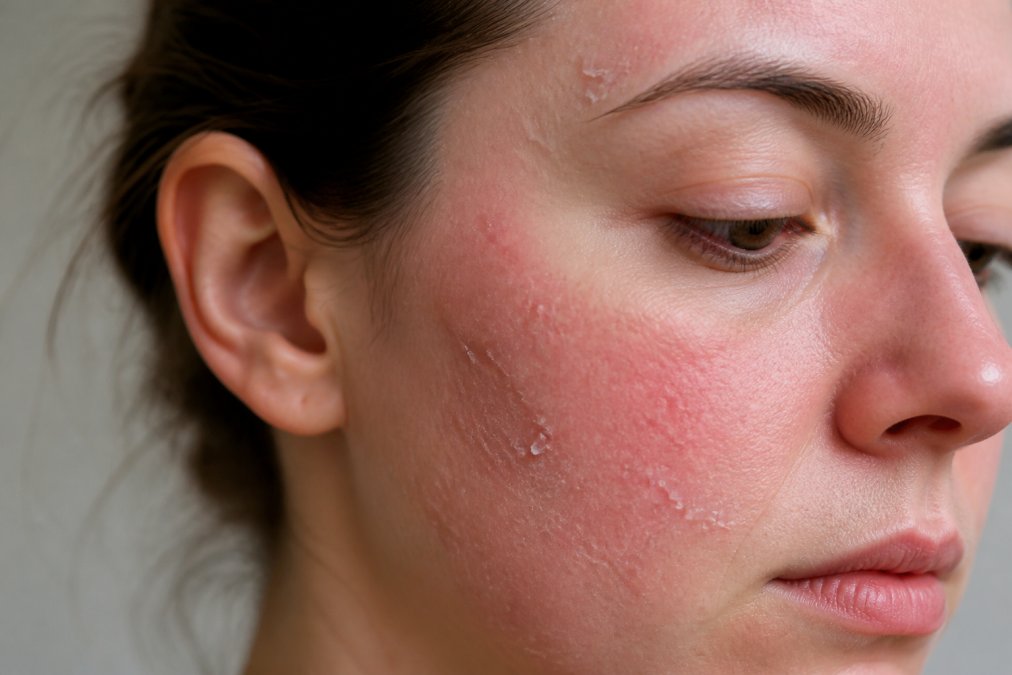
Flakiness and visible shedding are equally telling. Your skin may feel dry despite using moisturiser, or alternate between tight and oily as it compensates for lost hydration.
Key signs to watch for:
- Persistent redness or erythema, baseline inflammation that doesn't fade
- Flakiness and rough texture, visible peeling around cheeks and chin
- Tightness and discomfort, especially after showering or cleansing
- Stinging or burning sensations, reactions to water or mild products
- Increased sensitivity, products that never bothered you now cause irritation
- Dullness and loss of radiance, compromised barriers can't reflect light properly
- Itchiness, persistent urge to scratch
- Visible dehydration lines, fine lines that appear suddenly
The psychological impact of chronic barrier damage shouldn't be overlooked. Many people develop anxiety around skincare, which often drives them toward overly aggressive treatments that worsen the problem.
What causes skin barrier damage
Barrier damage rarely happens overnight. It's usually the result of accumulated stress from well-intentioned but overly aggressive skincare habits.
Over-exfoliation is the leading culprit. Whether mechanical (scrubs, brushes) or chemical (AHAs, BHAs, high-concentration vitamin C), exfoliating too frequently strips away the lipid barrier faster than your skin can rebuild it.
Retinoid irritation follows closely. Retinol and prescription retinoids increase cell turnover dramatically. If introduced too quickly, at too high a concentration, or layered with other actives, they overwhelm a healthy barrier and devastate a compromised one.
Environmental damage is underestimated. Cold, dry winters deplete moisture faster than humid seasons. Air conditioning, heating systems, and low-humidity environments all accelerate transepidermal water loss.
Other significant causes include:
- Harsh cleansing, stripping cleansers, hot water, or over-cleansing
- Fragrance and essential oils, even "natural" oils can disrupt the lipid barrier
- Surfactants and sulfates, found in budget cleansers, these dissolve protective lipids
- Overuse of actives, layering multiple active ingredients in one routine
- Inflammatory skin conditions, eczema, dermatitis, or rosacea compromise barrier function
- Medications and treatments, some acne treatments or steroid creams weaken the barrier over time
- Internal health markers, poor nutrition, chronic stress, inadequate sleep, and dehydration impair barrier repair
The irony is that most barrier damage is self-inflicted by people trying to improve their skin.
How to repair a damaged skin barrier
Repairing a weak skin barrier requires patience and a deliberate shift away from active ingredients toward barrier-supporting ones. The goal is to rebuild the lipid matrix and restore the skin's natural protective function.
The foundation of repair is a simplified routine focused on three core steps: gentle cleanse, hydrate, and protect. Start with a non-stripping cleanser, ideally a creamy, milk-based formula that removes makeup and impurities without disrupting lipids.
Follow with hydration. Hyaluronic acid draws water into the skin's upper layers, but only works if you seal it in immediately with an occlusive moisturiser. Ceramides are the lipids your barrier is missing, and topical ceramides help rebuild the brick-and-mortar structure of your stratum corneum. Look for products listing ceramides (NP, AP, EOP) early in the ingredient list.
Then apply an occlusive layer, a richer moisturiser or balm that seals hydration in and prevents transepidermal water loss. Squalane, petrolatum, and plant oils serve this purpose.
A barrier-repair routine looks like this:
- Morning: Gentle cleanser → hyaluronic acid serum → ceramide-rich moisturiser
- Evening: Gentle cleanser → hyaluronic acid serum → richer moisturiser or balm
- Once or twice weekly: Very gentle, non-physical exfoliation only if skin feels ready
Avoid everything active during repair: no retinoids, no acids, no vitamin C, no niacinamide. This is non-negotiable for the first 4-8 weeks.

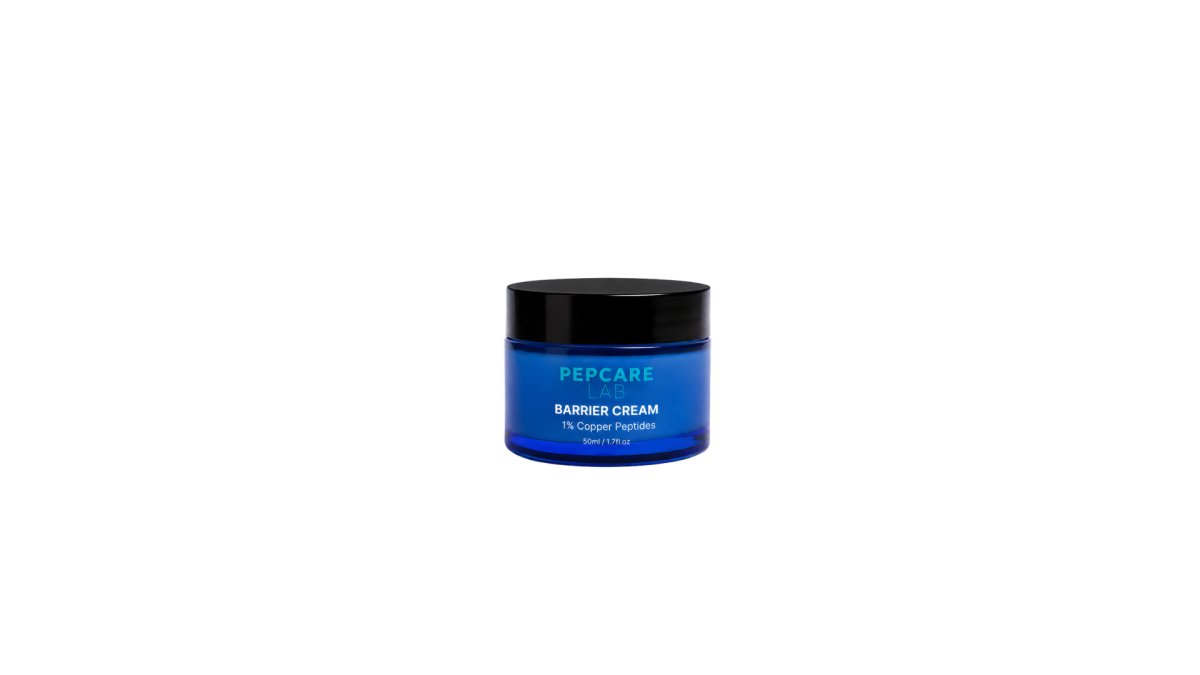
Pepcare Lab's approach focuses on peptides as a supporting mechanism. Copper Peptides (GHK-Cu) support collagen production and skin renewal without the irritation of retinoids or exfoliants. At 1% concentration in our Face Serum and Barrier Cream, they help your skin rebuild structural integrity whilst you avoid stronger actives.
pH balance matters during repair. Your skin's natural pH is around 4.5-5.5 (acidic), which supports the microbiome and barrier function. Cleansers above pH 7 disrupt this balance.
Ingredients to avoid with a compromised skin barrier
When your barrier is damaged, certain ingredients become liabilities. Avoid anything that increases cell turnover or disrupts the lipid barrier.
Retinoids of all types must be paused entirely. Even "gentle" alternatives like bakuchiol can be too much during acute barrier damage.
Chemical exfoliants (AHAs, BHAs, PHA) accelerate desquamation and increase inflammation. Avoid them completely during repair.
Vitamin C serums, particularly L-ascorbic acid at high concentrations, can be irritating to a compromised barrier.
Essential oils and fragrance, even in "natural" skincare, can trigger inflammatory responses. During barrier repair, fragrance-free is non-negotiable.
Other ingredients to pause or avoid:
- Niacinamide above 5%, can be irritating in high doses to reactive skin
- Witch hazel and alcohol-based toners, these are drying and barrier-disrupting
- Benzoyl peroxide, too harsh for compromised barriers
- Sulfates, found in many cleansers, these strip protective lipids
- Fragrance and dyes, increase inflammation and irritation
The hardest part is resisting the urge to "do something" about other skin concerns. Your barrier won't repair if you're constantly introducing new stressors.
How long does it take to heal a damaged skin barrier
Barrier repair isn't instant, and timelines vary based on severity and consistency. Most people see noticeable improvement within 4-6 weeks of a simplified, barrier-focused routine. Redness fades, tightness eases, and stinging sensations diminish.
Full structural recovery typically takes 8-12 weeks. Some sources suggest up to 16 weeks for severely compromised barriers, particularly if the damage resulted from prolonged over-exfoliation.
The timeline depends on several factors:
- Severity of damage, mild barrier compromise heals faster than extensive damage
- Consistency of routine, skipping steps or introducing irritants resets the clock
- Age and skin type, younger skin and naturally resilient skin types recover faster
- Environmental factors, winter and dry climates slow repair; humid seasons accelerate it
- Internal health, nutrition, hydration, sleep, and stress all influence healing speed
During the repair phase, patience is essential. By week 4-5, most people notice their skin feels less reactive and looks less inflamed.
After 8-12 weeks, you can cautiously reintroduce active ingredients, but slowly. Start with one gentle active once or twice weekly, monitoring your skin's response.
The minimalist approach: rebuilding trust with your skin
There's growing recognition that more ingredients don't equal better results, especially when your skin is compromised. The minimalist approach focuses on supporting your barrier exceptionally well: a cleanser, a hydrating serum, and a ceramide-rich moisturiser.
Skin cycling takes this further by rotating active ingredients strategically rather than using them daily. One night you apply a retinoid, the next night a barrier-supporting moisturiser, then a gentle exfoliant, then rest. This allows your skin to tolerate stronger actives without constant irritation.
The psychological benefit of minimalism is significant. Many people develop anxiety around skincare because they're managing too many variables. Simplifying to three products removes decision fatigue and makes it easier to identify what's actually working.
Pepcare Lab's philosophy aligns with this approach. Rather than offering a 12-step system, we've designed a simple three-step routine built on peptides and barrier-supporting ingredients. The Barrier Cream and Face Serum both contain 1% Copper Peptides alongside ceramides and hyaluronic acid, ingredients that work synergistically to repair and maintain barrier function without the irritation of traditional actives.

For many people, barrier repair becomes a permanent shift toward simpler routines. Once you experience the calm, clear skin that comes from supporting your barrier rather than constantly disrupting it, the appeal of complex routines fades.
Conclusion
A weak skin barrier isn't permanent, but it requires genuine commitment to repair. The signs, redness, flakiness, sensitivity, tightness, are your skin's way of signalling that it needs support, not more active ingredients. Most people see meaningful improvement within 8-12 weeks of a barrier-focused routine.
Pepcare Lab's Barrier Cream and Face Serum are specifically formulated to support this recovery. With 1% Copper Peptides, ceramides, and hyaluronic acid, they address the exact lipids and hydration your compromised barrier needs. Shop our bestsellers and start rebuilding the barrier your skin depends on.

The challenge with barrier repair is resisting the urge to "do more" while your skin heals. Pepcare Lab makes this easier by offering a complete, purposeful routine designed specifically for sensitive, compromised skin. Our peptide-based formulations support collagen production and skin renewal without the irritation of traditional actives. Get started with our Complete Collection and experience the difference that barrier-focused skincare delivers.
| Repair Timeline | What to Expect | Key Focus |
|---|---|---|
| Weeks 1-3 | Minimal visible change; skin may feel slightly less tight | Consistency with basic routine |
| Weeks 4-6 | Noticeable reduction in redness and sensitivity | Hydration and occlusion |
| Weeks 8-12 | Significant improvement in texture and resilience | Cautious reintroduction of gentle actives |
| Weeks 12+ | Full barrier recovery; ready for active ingredients | Slow, monitored ingredient additions |
Frequently Asked Questions
What's the difference between a weak skin barrier and sensitive skin?
A weak skin barrier is a specific condition where the lipid matrix is compromised, allowing moisture loss and irritant penetration. Sensitive skin is often genetic, with a naturally lower threshold for irritation. However, a weak barrier can make any skin type behave as if it's sensitive. Once you repair the barrier, genetically sensitive skin may still be reactive, but it'll be far more manageable.
Can I use Pepcare Lab products if I have a weak skin barrier?
Yes. Pepcare Lab's formulations are specifically designed for sensitive, compromised skin. The Barrier Cream contains ceramides and 1% Copper Peptides, exactly what a damaged barrier needs. The Face Serum provides hydration without irritation.
Should I stop all skincare during barrier repair?
No, but you should drastically simplify. Continue cleansing gently and moisturising, as these support repair. Pause all active ingredients (retinoids, acids, vitamin C, exfoliants). A minimal routine of cleanser, hydrating serum, and barrier cream is ideal during the 8-12 week repair phase.
Is my barrier damage permanent?
No. With consistent, barrier-focused care, most people recover within 8-12 weeks. The barrier has remarkable regenerative capacity. The key is patience and consistency, and avoiding the behaviours that caused the damage in the first place.
Can I wear makeup while repairing my barrier?
Yes, but choose makeup carefully. Heavy, occlusive foundations can trap heat and irritants. Opt for lightweight, breathable formulas or skip foundation entirely during repair. Always remove makeup with a gentle cleanser.
External Sources
According to the Australasian Society of Dermatologists, understanding your skin barrier is fundamental to treating chronic skin conditions and sensitivity.
Research on transepidermal water loss and barrier function demonstrates that ceramide-rich formulations significantly improve barrier integrity within 4-6 weeks of consistent use.
The Therapeutic Goods Administration's guidance on skincare ingredients emphasises that consumers should prioritise barrier support over active ingredients when experiencing sensitivity or inflammation.
Frequently Asked Questions
How can I restore my skin barrier quickly?
Barrier restoration takes consistency over speed. Start by simplifying your routine to a gentle cleanser, hydrating serum with hyaluronic acid, and a rich moisturiser containing ceramides and fatty acids. Avoid active ingredients like retinoids and vitamin C temporarily. Apply moisturiser to damp skin to lock in hydration. Most people see improvement in redness and sensitivity within 2-4 weeks, though full barrier function can take 6-8 weeks. Products like the Pepcare Lab Barrier Cream ($49) are designed specifically to support this repair process with peptides and skin-conditioning ingredients.
What vitamins and ingredients repair the skin barrier?
Ceramides, cholesterol, and fatty acids are the structural building blocks of your barrier. Niacinamide reduces inflammation and strengthens barrier function. Hyaluronic acid draws moisture into the skin, while squalane and other occlusives seal it in. Copper peptides support collagen production and skin renewal. Avoid high-dose vitamin C, retinoids, and chemical exfoliants during barrier repair. Once healed, these actives can be reintroduced gradually. The Pepcare Lab Face Serum combines hyaluronic acid with copper peptides to hydrate and support barrier recovery.
How long does it take to repair a damaged skin barrier?
Initial improvements in redness and stinging typically appear within 2-3 weeks of consistent, gentle care. However, full barrier restoration usually takes 6-8 weeks. The timeframe depends on damage severity, your routine consistency, and whether you continue exposing your barrier to irritants. If you return to harsh products or over-exfoliate, healing will stall. Environmental factors like humidity and temperature also affect recovery speed. Patience and consistency matter more than quick fixes.
What common habits destroy the skin barrier?
Over-exfoliation, whether mechanical or chemical, is the leading cause. Using too many active ingredients simultaneously (retinoids, vitamin C, acids, and peptides all at once) overwhelms your barrier. Hot water, harsh cleansers, and frequent washing strip away protective lipids. Skipping moisturiser leaves the barrier dehydrated. Environmental stressors like pollution, low humidity, and UV exposure contribute to lipid loss. Stress and poor sleep impair your skin's natural repair processes. Even 'gentle' products can damage the barrier if your skin is already compromised; sometimes less is more.
This article was written using GrandRanker