
Table of Contents
- Understanding Irritated Skin and Your Skin Barrier
- Signs of a Compromised Skin Barrier
- Natural Remedies for Soothing Irritated Skin
- How to Repair Damaged Skin Barrier
- Benefits of Copper Peptides for Skin
- Safety and Patch Testing Before Use
- Frequently Asked Questions
Last Updated: October 6, 2026
Understanding Irritated Skin and Your Skin Barrier
Irritated skin relief starts with understanding what's actually happening beneath the surface. Your skin barrier is a protective layer made up of lipids and proteins that keeps moisture in and irritants out.
Irritated skin can improve once you stop fighting the symptoms and start supporting the barrier itself. The itch-scratch cycle is real, irritation triggers scratching, which damages the barrier further, which causes more irritation. Breaking that cycle requires both soothing relief and genuine barrier repair.
Many people treat irritated skin with harsh actives or heavy occlusive creams, assuming more is better. In practice, the opposite works. Your skin needs lightweight hydration, anti-inflammatory support, and ingredients that actively reinforce the barrier structure.
Signs of a Compromised Skin Barrier
A compromised skin barrier sends clear signals. Your skin may feel tight, especially after cleansing or exposure to weather. Redness and sensitivity appear, sometimes suddenly. Products that never bothered you before now sting or burn.
Transepidermal water loss accelerates when the barrier is damaged. This means your skin cannot hold onto moisture effectively, no matter how much hydration you apply. Dermatitis, eczema flare-ups, and contact dermatitis all stem from barrier dysfunction.
If your skin feels reactive, stings during your routine, or shows persistent redness, your barrier needs attention before you add any active ingredients. This is not the time for retinol, vitamin C, or exfoliants. This is the time for barrier repair.
Natural Remedies for Soothing Irritated Skin
Natural remedies for irritated skin relief work because they address inflammation directly and support barrier function simultaneously. The most effective options have been used for centuries, and modern research increasingly validates why they work.
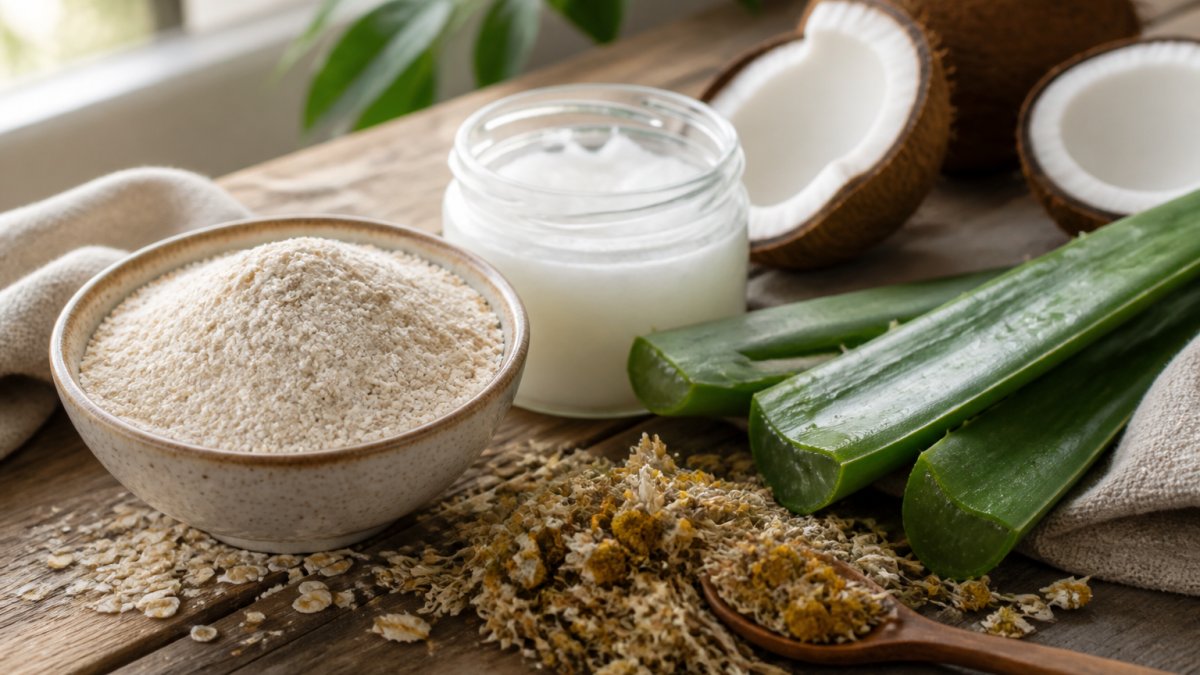
Oatmeal Baths for Inflammation Relief
Oatmeal has genuine anti-inflammatory and skin-soothing properties. Colloidal oatmeal, finely ground oats, contains compounds that reduce redness and calm the itch-scratch cycle (pubmed.ncbi.nlm.nih.gov). A 15-20 minute oatmeal bath can provide noticeable relief, especially for widespread irritation or eczema flare-ups.
Add one to two cups of colloidal oatmeal to lukewarm water. The water should feel comfortable, not hot, heat strips lipids from your skin and worsens irritation. Soak the affected area or your whole body if needed.
Frequency matters. For acute irritation, oatmeal baths once daily can help. For maintenance, two to three times per week is sufficient. Some people find relief in 48 hours; others need consistent use over a week to see improvement.
Aloe Vera and Its Healing Properties
Aloe vera is not just a sunburn remedy. Its gel contains polysaccharides and amino acids that support skin healing and reduce inflammation. Aloe penetrates the epidermis quickly and helps restore hydration without leaving a heavy residue.
Use fresh aloe if possible, cut a leaf, extract the gel, and apply directly to irritated areas. The cooling sensation provides immediate relief. If fresh aloe is not available, choose a pure aloe vera gel with minimal additives.
Apply aloe vera twice daily, morning and evening. For sensitive skin, patch test first, although aloe is generally well-tolerated, some people react to specific compounds in the plant.
Coconut Oil for Moisture Retention
Coconut oil is an emollient, meaning it seals moisture into the skin. It contains lauric acid and other fatty acids that support the skin barrier's lipid layer.
Apply a small amount, about half a teaspoon, to damp skin after cleansing. The moisture trapped beneath the oil hydrates more effectively than oil alone. Use coconut oil in the evening, as it can feel occlusive during the day.
Some people find coconut oil comedogenic, meaning it can clog pores. If you have acne-prone skin alongside irritation, test on a small area first. For general irritated skin, especially on the body, coconut oil is highly effective and affordable.
Essential Oils and Herbal Compresses
Essential oils like chamomile, lavender, and calendula have antimicrobial and anti-inflammatory properties. However, essential oils must be diluted, applying them directly to skin can cause further irritation.
Brew a strong herbal tea using dried chamomile or calendula flowers. Let it cool to room temperature, then soak a clean cloth and apply as a compress for 10-15 minutes. The botanical extracts soothe inflammation without the irritation risk of concentrated oils.
Alternatively, add a few drops of diluted essential oil to a carrier oil like jojoba or sweet almond oil. Apply this blend to irritated areas. Always patch test herbal remedies first, as some people are sensitive to specific botanicals.
Apple Cider Vinegar for Skin Balance
Apple cider vinegar helps restore your skin's natural pH balance. When your skin barrier is compromised, pH shifts toward alkalinity, making it harder for the barrier to function.
Mix one part raw, unfiltered apple cider vinegar with three parts water. Apply with a cotton pad to affected areas, or add to a spray bottle and mist over irritated skin. Use once daily, preferably in the evening.
Apple cider vinegar has a strong smell and can sting initially. If stinging persists, dilute further. Some people see improvement in redness and sensitivity within three to five days; others need two weeks of consistent use.
How to Repair Damaged Skin Barrier
Repairing a damaged skin barrier requires consistency and the right combination of ingredients. Natural remedies provide soothing relief, but barrier repair also needs structural support, specifically, lipid replenishment and hydration.
Your barrier is made of ceramides, cholesterol, and fatty acids. These lipids need to be replaced to restore function. Niacinamide supports lipid production and reduces inflammation.
A simple routine works best during barrier repair. Cleanse gently with a non-foaming cleanser. Apply a lightweight hydrating serum. Follow with a barrier-supporting moisturiser.
The Pepcare Lab Face Duo combines a lightweight serum with a barrier cream designed specifically for this phase. Both are powered by 1% Copper Peptides and complementary skin-supporting ingredients.

Benefits of Copper Peptides for Skin
Copper peptides, specifically GHK-Cu, are among the most researched peptide compounds for skin health. They support collagen production, promote skin renewal, and have natural anti-inflammatory properties.
Copper peptides help restore skin barrier function by encouraging the production of ceramides and other barrier lipids. They also have antimicrobial properties, which can help prevent secondary infection in severely irritated skin. For irritated skin relief, copper peptides offer both immediate soothing effects and long-term barrier strengthening.
The advantage of copper peptides is their dual action. They soothe current inflammation while simultaneously supporting the biological processes that rebuild barrier health. This makes them ideal for irritated skin that needs both relief and genuine repair, not just temporary comfort.
Safety and Patch Testing Before Use
Most natural remedy guides skip the part that matters most: what happens when a remedy goes wrong. Irritated skin is already reactive, and a compromised barrier lets allergens and irritants penetrate more easily than healthy skin does. That means a botanical you have tolerated for years can suddenly trigger contact dermatitis. A safety-first approach is not optional, it is the difference between relief and a setback.
Why Patch Testing Matters More on Irritated Skin
Contact dermatitis has two forms: irritant contact dermatitis, a direct toxic reaction to a substance, and allergic contact dermatitis, a delayed immune response that can take 24 to 72 hours to appear. Because the reaction is delayed, many people apply a remedy, feel fine, and assume it is safe, then wake up with a spreading rash two days later.
A proper patch test is more rigorous than most people realise:
- Apply a small amount to a 2 cm area on the inner forearm or behind the ear.
- Leave it uncovered and undisturbed for 24 hours.
- If no reaction appears, repeat on the same spot for a further 24 to 48 hours.
- Watch for redness, itching, swelling, burning, or small bumps, not just an obvious rash.
- If you are testing an essential oil blend, test the exact dilution you intend to use, not the neat oil.
A common pattern is for people to patch test a single ingredient, then mix it with three others and apply the blend. The blend is what needs testing. Introduce one new remedy at a time and wait three to five days before adding another, so you can isolate what helps and what harms.
Natural Does Not Mean Hypoallergenic
Several remedies in this guide are well-known allergens. Colloidal oatmeal is generally well tolerated, but oat allergy exists. Aloe vera can cause contact dermatitis in a minority of users, particularly the latex layer just under the leaf skin. Coconut oil is rarely allergenic but is highly comedogenic for some.
Essential oils deserve particular caution. They are concentrated volatile compounds, not gentle plant waters. Undiluted application can cause chemical burns, and even diluted oils can sensitise skin over repeated exposure. A safe dilution for facial or irritated skin is typically 0.5 to 1 per cent, roughly 3 to 6 drops per 30 mL of carrier oil.
Ingredient Interactions With Prescribed Treatments
If you are using prescription topicals, corticosteroids, calcineurin inhibitors such as tacrolimus or pimecrolimus, or antibiotic creams, the order and timing of application matters. A few practical points:
- Apply prescribed medication first, wait for it to absorb, then layer moisturiser or a natural emollient on top. Occluding a prescription under a heavy oil can increase its absorption and potency unexpectedly.
- Apple cider vinegar is acidic and can sting or destabilise some topical formulations. Do not apply it to the same area within an hour of a prescription product.
- Do not apply essential oils over prescription topicals without checking with your prescriber or pharmacist. Some compounds increase skin permeability and can amplify the effect of the medication.
- If you are using a copper peptide product alongside natural remedies, apply it to clean skin before heavier oils, which can block absorption.
When to Stop Self-Treating
Natural remedies support barrier repair, but they cannot replace medical care for serious conditions. Seek advice from a general practitioner, dermatologist, or pharmacist if you notice:
- Oozing, crusting, or yellow discharge, which can indicate infection.
- Redness that spreads rapidly or feels hot to the touch.
- Blistering, open sores, or severe swelling.
- Irritation that worsens rather than improves after 7 to 10 days of consistent, gentle care.
- Symptoms affecting your sleep, work, or daily function.
If you are pregnant, breastfeeding, or managing a chronic condition, check with a healthcare professional before using essential oils or herbal compresses. Some botanicals are not recommended during pregnancy.
Frequently Asked Questions
What causes irritated skin and how do I know if my skin barrier is damaged?
Irritated skin develops when your skin barrier is compromised, allowing moisture to escape and irritants to penetrate. Signs include persistent redness, tightness, sensitivity to products, excessive dryness, and an itch-scratch cycle that worsens inflammation. Contact dermatitis from allergens, environmental stress, or over-stripping with harsh products can all trigger barrier damage. If irritation persists beyond two weeks despite gentle care, consult a GP to rule out conditions like eczema or dermatitis.
How do natural remedies like oatmeal and aloe vera actually help irritated skin?
Oatmeal contains polysaccharides and beta-glucans that form a protective layer over irritated skin while reducing inflammation. Aloe vera provides soothing agents and antimicrobial compounds that calm redness and support healing. Coconut oil acts as an emollient, improving moisture retention and replenishing lipids your barrier needs. These remedies work best on mild irritation; severe or persistent dermatitis may require clinical treatment alongside natural approaches.
What are the benefits of copper peptides for skin, and how do they differ from natural remedies?
Copper peptides like GHK-Cu support collagen production and skin renewal at a cellular level, helping strengthen your skin barrier from within. Unlike topical natural remedies that soothe surface irritation, peptides work to repair and reinforce the epidermis itself. Studies suggest copper peptides improve moisture retention and reduce transepidermal water loss, making them valuable for long-term barrier health. Combining peptide-based products with natural soothing remedies offers both immediate relief and sustained repair.
Is it safe to use natural oils on a compromised skin barrier?
Natural oils can help a damaged barrier if chosen carefully and applied correctly. Patch test any oil on a small area first to rule out sensitivity or allergic reactions. Coconut oil and squalane are generally hypoallergenic options, but some people react to tree nut oils. Avoid essential oils directly on broken or severely inflamed skin; dilute them in a carrier oil or use herbal compresses instead. If your barrier is extremely compromised, consult a healthcare provider before introducing new ingredients.