
Table of Contents
- What Are Copper Peptides and How Do They Work on the Skin
- Signs of a Compromised Skin Barrier
- How to Repair Damaged Skin Barrier with Copper Peptides
- Copper Peptide Serum Benefits for Skin Renewal
- Skin Barrier Recovery Timeline: What to Expect
- Ingredients to Avoid Mixing with Copper Peptides
- Copper Peptides and Sensitive Skin: Safety and Suitability
- Frequently Asked Questions
Last Updated: September 20, 2026
What Are Copper Peptides and How Do They Work on the Skin
Copper peptides are bioactive compounds that combine copper with amino acid chains, most commonly the tripeptide GHK-Cu, and they strengthen the copper peptides skin barrier through targeted cellular signalling. This specific peptide complex works by signalling fibroblasts in the dermis to increase collagen synthesis and elastin production, which directly strengthens skin structure and resilience (pubmed.ncbi.nlm.nih.gov). Unlike passive moisturisers, copper peptides actively engage your skin's own repair mechanisms at the cellular level.
The mechanism centres on how GHK-Cu interacts with cell receptors. When applied topically, the peptide penetrates the stratum corneum and reaches viable skin layers where it stimulates dermal matrix remodelling. This process supports transepidermal water loss reduction, meaning your skin retains moisture more effectively. The result is a skin barrier that becomes progressively more resilient with consistent use.
What makes copper peptides distinct from other peptide complexes is their antioxidant capacity. They neutralise oxidative stress, a primary driver of skin degradation and barrier dysfunction. This dual action (structural repair plus oxidative defence) explains why copper peptides have become central to science-led skincare formulations designed specifically for compromised barriers.
At Pepcare Lab, we've built our entire range around this mechanism because the evidence supporting GHK-Cu's efficacy in barrier repair is substantive. Our formulations deliver 1% copper peptides.

Signs of a Compromised Skin Barrier
A damaged skin barrier reveals itself through specific, observable signs. Persistent tightness or a sandpaper-like texture indicates your stratum corneum has lost its protective lipid layer. This sensation often precedes visible redness or sensitivity reactions.
Increased reactivity is a hallmark signal. If your skin now reacts to products that previously caused no issues, or if multiple products trigger stinging or burning, your barrier integrity has declined. The barrier's job is to filter what penetrates, when it fails, irritants reach deeper layers and trigger inflammatory responses.
Dehydration that resists standard moisturising is another key indicator. A healthy barrier locks moisture in; a compromised one lets it escape regardless of how much hydration you apply topically. You'll notice this as persistent dryness, flaking, or a dull appearance even after using rich creams.
Visible symptoms include unexplained redness, persistent sensitivity to temperature changes, and a tendency toward breakouts or irritation in areas previously unaffected. Some people experience a tight feeling across the face, particularly after cleansing, that doesn't resolve with moisturiser alone.
The distinction matters: barrier damage differs from dehydrated skin. Dehydrated skin lacks water content but retains barrier function. A compromised barrier loses both water retention capacity and protective function, making it vulnerable to environmental stressors and bacterial colonisation.
How to Repair Damaged Skin Barrier with Copper Peptides
Repairing a compromised barrier requires a methodical approach focused on reducing irritation while actively supporting barrier regeneration, and copper peptides skin barrier repair works by engaging your skin's own regenerative mechanisms. The first step is simplification, strip your routine to essentials only. This means a gentle cleanser, a peptide serum, and a nourishing moisturiser. Everything else, including active ingredients like retinol or vitamin C, should pause until barrier function stabilises.
Copper peptides accelerate this recovery because they work on multiple fronts simultaneously. They reduce inflammation through their antioxidant properties, which immediately lowers the reactive state of your skin. Concurrently, they signal fibroblasts to increase production of structural proteins your barrier needs. This isn't a surface fix, it's foundational repair.
The practical application sequence matters. Apply your copper peptide serum to clean, damp skin. The moisture helps with peptide penetration and bioavailability. Follow with a barrier-supporting moisturiser that contains niacinamide and squalane, ingredients that reinforce your skin's natural lipid matrix. The Pepcare Lab Face Serum and Barrier Cream are specifically formulated to work together in this capacity, with both products delivering 1% copper peptides plus complementary barrier-support ingredients.

Consistency is non-negotiable. Barrier repair happens through cellular turnover, which takes time. Consistency is non-negotiable. Barrier repair happens through cellular turnover, which takes time.
Avoid common mistakes during repair: do not use hot water (use lukewarm), do not over-cleanse (once daily is sufficient during repair), and do not introduce new products. Each addition increases irritation risk and prolongs recovery. Your barrier is actively healing, protect that process by minimising external stressors.
Copper Peptide Serum Benefits for Skin Renewal
A copper peptide serum delivers concentrated peptide bioavailability in a lightweight vehicle that penetrates efficiently. The benefits extend beyond barrier repair into broader skin renewal and appearance improvement.
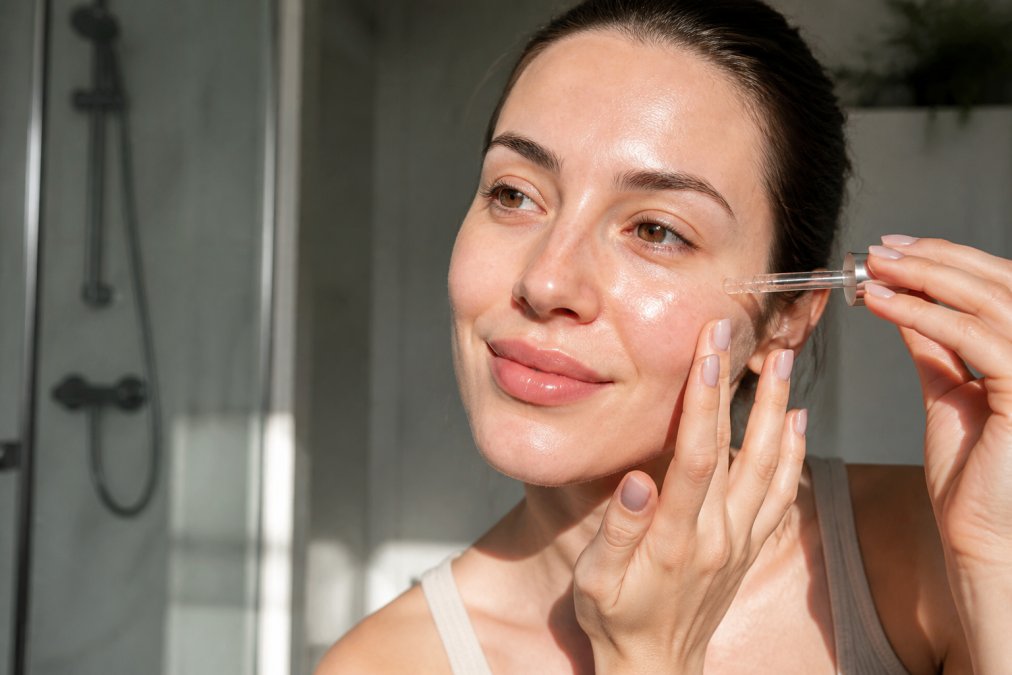
Collagen and elastin production increases measurably with consistent copper peptide application (pubmed.ncbi.nlm.nih.gov). These proteins provide structural support and elasticity, their depletion is why skin loses firmness with age. By stimulating fibroblasts to synthesise more collagen, copper peptides address a primary cause of visible ageing rather than masking symptoms.
Skin texture improvement follows barrier stabilisation. As your barrier function normalises, surface irregularities smooth, pores appear less prominent, and overall skin luminosity increases. This isn't from a reflective ingredient, it's from healthier underlying skin architecture.
Oxidative stress reduction protects against photoaging and environmental damage. Your skin faces constant assault from UV exposure, pollution, and free radicals. Copper peptides' antioxidant defence neutralises these stressors before they damage collagen or trigger inflammatory cascades. This preventive action matters as much as repair.
Peptide complexes also support skin microbiome balance. A healthy barrier maintains appropriate pH and microbial diversity, which reduces acne-prone conditions and inflammatory skin conditions. Copper peptides contribute to this stabilisation through their anti-inflammatory properties.
The renewal benefit compounds over time. Initial improvements in barrier function and reactivity appear within weeks. Deeper structural changes, increased firmness, improved elasticity, and refined texture develop over time as collagen synthesis accumulates.
Skin Barrier Recovery Timeline: What to Expect
Understanding the realistic timeline for barrier recovery prevents frustration and premature abandonment of an effective protocol. Skin barrier repair follows a predictable progression, though individual variation exists based on barrier damage severity and your skin's baseline regenerative capacity.
Weeks 1-2: Reactivity often intensifies slightly as your skin adjusts to peptide signalling. This is not barrier damage, it's your skin responding to active repair signals. Redness may increase temporarily. Tightness typically begins easing as hydration retention improves.
Weeks 3-4: Noticeable reduction in stinging or burning responses. Products that previously triggered irritation may now be tolerated. Texture begins smoothing as surface inflammation decreases. Skin feels less tight, particularly after cleansing.
Weeks 5-8: Visible improvement in redness and sensitivity. Your skin tolerates environmental changes (temperature, humidity shifts) more gracefully. Dryness resolves as transepidermal water loss normalises. This is when most people feel confident that barrier repair is genuinely occurring.
Weeks 9-12: Structural improvements become apparent. Skin appears firmer, more resilient, and more radiant. Pore appearance refines. Fine lines appear less pronounced due to improved hydration and collagen support. Barrier function is substantially restored.
Beyond 12 weeks: Continued improvements in skin quality, elasticity, and overall appearance. Your skin has developed stronger barrier resilience and can better tolerate environmental stressors and occasional use of active ingredients.
This timeline assumes consistent twice-daily application and adherence to a simplified routine. Interruptions or inconsistency extend the timeline proportionally. Environmental factors, extreme weather, high stress, inadequate sleep, can slow progress, though copper peptides continue working to counteract these stressors.
Ingredients to Avoid Mixing with Copper Peptides
Certain ingredient combinations compromise copper peptide efficacy or increase irritation risk during barrier repair. Understanding these incompatibilities prevents wasting product and derailing your recovery timeline.
Do not combine copper peptides with high-concentration vitamin C serums. Vitamin C is acidic and can destabilise peptide molecular structure, reducing bioavailability. More importantly, during active barrier repair, the combined exfoliating and stimulating effects often trigger excessive irritation.
Retinol and retinoids should be avoided during barrier repair phases. Both increase cellular turnover and can irritate a compromised barrier. Once your barrier has stabilised (typically after 12 weeks), you can cautiously reintroduce retinoids, but not simultaneously with copper peptide application, use them on alternate nights.
AHAs and BHAs (chemical exfoliants) are incompatible with barrier repair protocols. These dissolve intercellular lipids, directly opposing the barrier-strengthening work copper peptides are doing. Pause exfoliation entirely during repair phases.
Niacinamide is actually synergistic with copper peptides and supports barrier function, so this pairing is safe and recommended. However, avoid combining copper peptides with high-concentration niacinamide (above 10%) in the same product, as this can reduce peptide stability.
Benzoyl peroxide can oxidise peptides and reduce their efficacy. If you're using benzoyl peroxide for acne, apply it at a different time of day than your copper peptide serum, morning serum, evening benzoyl peroxide, or vice versa.
Fragrance and essential oils increase irritation risk on a compromised barrier. Many "natural" skincare products contain these, so read ingredient lists carefully. Fragrance-free formulations are essential during repair phases.
pH sensitivity matters. Copper peptides function optimally at skin pH (around 5.5). Products with pH above 6.5 can reduce peptide bioavailability. This is why the Pepcare Lab Face Serum is pH-balanced, to maximise peptide penetration and stability.
Copper Peptides and Sensitive Skin: Safety and Suitability
Copper peptides are exceptionally well-tolerated on sensitive skin, which might seem counterintuitive for an active ingredient. The reason lies in their mechanism: rather than irritating skin into change, they signal your skin's own repair systems. This makes them fundamentally different from exfoliants or irritant-based actives.
Sensitive skin typically reacts to irritation, inflammation triggers, or barrier disruption. Copper peptides do the opposite, they reduce inflammation and strengthen barrier function.
Frequently Asked Questions
Do copper peptides help with skin barrier repair?
Yes. Copper peptides, particularly GHK-Cu, support the skin barrier by stimulating collagen and elastin production, reducing transepidermal water loss, and strengthening the lipid barrier. They also possess anti-inflammatory and antioxidant properties that help calm irritation and protect against oxidative stress, making them effective for barrier recovery when used consistently.
Are copper peptides suitable for sensitive skin?
Copper peptides are generally well-tolerated by sensitive skin because they work to strengthen the barrier rather than disrupt it. Unlike active ingredients such as retinoids or strong exfoliants, they support skin resilience and reduce inflammation.
What should you not layer with copper peptides?
Avoid mixing copper peptides with high-pH products, strong acids (glycolic or salicylic acid), or vitamin C at low pH, as these can destabilise the peptide complex and reduce efficacy. Do not combine with retinoids in the same application; use them on alternate nights. Niacinamide, hyaluronic acid, and squalane are safe and beneficial partners.
How long does it take to see results from copper peptides on the skin barrier?
Improvements in skin hydration and texture, and visible changes in skin firmness and barrier resilience, typically appear with consistent use. Full dermal remodelling and collagen synthesis benefits develop over time, so patience and consistency are essential for optimal results.