
Last Updated: November 6, 2026
Quick Summary
A complete skincare and scalp routine for beginners follows four core steps: cleanse, treat, moisturise and protect with SPF 30+ sunscreen each morning. Add a scalp serum after washing 3-4 times weekly and exfoliate the scalp 1-2 times weekly, keeping each session under five minutes.
- Apply products thinnest to thickest: cleanse, treat with serum, moisturise, then sunscreen in the morning.
- Wash frequency should follow your scalp and hair texture, not a fixed rule.
- Patch test new products behind the ear or inner forearm and wait 48 hours.
- A beginner budget needs only a gentle cleanser, one treatment serum, a moisturiser and a sunscreen.
- The Complete Collection bundles four coordinated products at $149 AUD, saving $37.
Table of Contents
- Why One Integrated Face, Scalp and Hair Routine Beats Separate Regimens
- The Correct Order of Skincare Products for Beginners
- Your Morning and Evening Skincare Routine, Step by Step
- How Often to Wash Your Hair and Scalp Without Stripping Them
- Scalp Care for Hair Growth: What the Evidence Actually Supports
- Sensitive Skin and Scalp: Patch Testing, Irritation and What to Avoid
- Building Your Beginner Routine on a Realistic Budget
- Start Your Routine with the Complete Collection
- Frequently Asked Questions
Why One Integrated Face, Scalp and Hair Routine Beats Separate Regimens
A complete skincare and scalp routine for beginners works best when the face, scalp and hair are treated as one system rather than three separate projects. At Pepcare Lab, we build every formula around that idea: the same barrier logic that calms a reactive face also governs a flaky, irritated scalp.
The reason is simple. Skin and scalp are continuous tissue with the same barrier function and the same need for gentle cleansing. Many beginners buy several separate products and then abandon the lot within a month. Complexity is the enemy of consistency, and consistency is what actually changes skin.
Below, we'll show you how to sequence a beginner routine, how often to wash, and where to spend your money.
The Correct Order of Skincare Products for Beginners
A common guideline for the order of skincare products runs thinnest to thickest: cleanse, treat with a serum, moisturise, then protect with sunscreen in the morning. Scalp and hair steps can slot in around washing rather than on top of your face routine.
That single rule resolves most confusion. Water-based formulas go first because they need to reach skin; occlusive creams go last because they seal everything underneath. Getting the order right helps every product you use work as intended.
A Simple Product-Order Chart for Face, Scalp and Hair
| Step | Morning | Evening | Frequency |
|---|---|---|---|
| Cleanse | Gentle pH-balanced cleanser | Gentle cleanser or water rinse | Twice daily |
| Treat | Vitamin C or niacinamide serum | Copper peptide serum | Daily |
| Moisturise | Lightweight cream | Barrier cream | Twice daily |
| Protect | SPF 30+ sunscreen | None | Daily, reapplied |
| Scalp | None | Scalp serum after washing | 3-4 times weekly |
| Exfoliate | None | Scalp brush or gentle exfoliant | 1-2 times weekly |
Your Morning and Evening Skincare Routine, Step by Step
A beginner morning and evening skincare routine should take under five minutes at each end of the day. Anything longer becomes a chore you skip.
- Cleanse. Lukewarm water, gentle pressure, 30 seconds. Hot water strips the barrier and leaves skin tight.
- Treat. Apply serum to slightly damp skin so it spreads further and absorbs better.
- Moisturise. Press, don't rub, into the face and neck.
- Protect. Sunscreen every morning, including overcast days and indoors near windows.
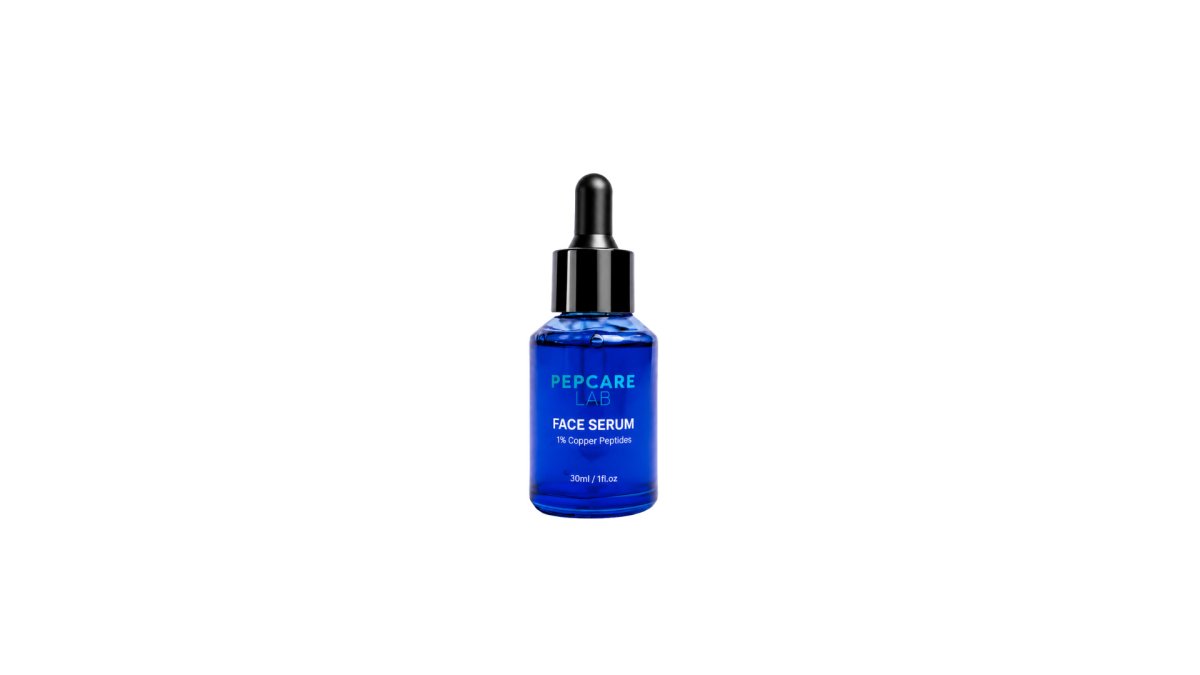
In the evening, drop the sunscreen and add your scalp step after washing. A common beginner mistake is layering several serums at once, which makes it hard to tell what is causing a reaction. Introducing one active at a time gives you a clearer picture.

How Often to Wash Your Hair and Scalp Without Stripping Them
Wash frequency should follow your scalp and hair texture, not a fixed rule. The right cadence is the one your scalp tolerates without tightness, itching or rebound oiliness.
The scalp produces sebum like the face does. Over-washing triggers rebound oiliness and irritation; under-washing lets product buildup and dead skin accumulate, which feeds flaking. The variable most beginners miss is texture: fine, straight hair shows oil quickly and often needs more frequent washing, while coarse, curly or coiled hair holds moisture and breaks more easily when washed too often. If you wear braids, twists or a weave, wash less often but keep the scalp clean with a gentle diluted shampoo or a scalp-only wash between full wash days.
Exercise and lifestyle change the maths. If you sweat heavily most days, rinse or co-wash the scalp more often rather than letting salt and sweat sit against the skin. If you use dry shampoo or heavy styling products, you need a proper wash day at least weekly to clear buildup. A simple test: if your scalp feels tight, itchy or flaky after washing, you are likely over-cleansing or using something too harsh; if it feels oily and looks flaky at the roots within a day, you are under-washing.
If your scalp feels tight, itchy or flaky after washing, our guide to treating a dry itchy scalp at home walks through a practical routine that soothes without stripping.
Scalp Care for Hair Growth: What the Evidence Actually Supports
Scalp care supports the environment hair grows from; it is not a guaranteed route to new growth.
Keeping the scalp clean, hydrated and comfortable is a reasonable way to care for the environment hair grows from. Our Hair & Scalp Serum is formulated with copper peptides (GHK-Cu), niacinamide and biotin to support scalp health and the appearance of hair.
For the deeper science, read our explainer on copper peptides for scalp health. If you are experiencing real thinning or sudden shedding, see a doctor or dermatologist before buying anything else.
Sensitive Skin and Scalp: Patch Testing, Irritation and What to Avoid
Sensitive skin and scalp need patch testing before anything else. Apply a small amount behind the ear or on the inner forearm, wait 48 hours, and check for redness, itching or swelling before using it on your face or scalp.
Introduce new products one at a time so you can identify any reaction.
Avoid fragrance-heavy formulas, high-strength acids used daily, and sulphate-heavy shampoos if your scalp stings. If you are unsure whether a reaction is irritation or genuine intolerance, our breakdown of the 9 signs of skincare ingredient intolerance helps you tell the difference.
Building Your Beginner Routine on a Realistic Budget
A realistic beginner budget buys four things: a gentle cleanser, one treatment serum, a moisturiser and a sunscreen. Everything else is optional. A practical approach is to prioritise the treatment step over the cleanser, since the serum stays on the skin for longer.
Here is a practical weekly calendar that keeps frequency and sequencing easy to follow:
| Day | Morning | Evening |
|---|---|---|
| Monday | Cleanse, treat, moisturise, SPF | Cleanse, treat, moisturise; scalp serum after wash |
| Tuesday | Cleanse, treat, moisturise, SPF | Cleanse, treat, moisturise |
| Wednesday | Cleanse, treat, moisturise, SPF | Cleanse, treat, moisturise; scalp exfoliation if due |
| Thursday | Cleanse, treat, moisturise, SPF | Cleanse, treat, moisturise |
| Friday | Cleanse, treat, moisturise, SPF | Cleanse, treat, moisturise; scalp serum after wash |
| Saturday | Cleanse, treat, moisturise, SPF | Cleanse, treat, moisturise |
| Sunday | Cleanse, treat, moisturise, SPF | Cleanse, treat, moisturise; scalp massage |
What to skip when money is tight: masks, essences, multiple serums, dedicated eye creams and clarifying shampoos used on repeat. None of these are necessary for a beginner, and buying them before you have a stable four-step routine is the most common way budgets get wasted. If cost is the constraint, our guide to affordable anti-aging serums shows where to compromise without wasting money.
Introduce one new product at a time so you can tell what is working and what is irritating.
Start Your Routine with the Complete Collection
The hardest part of a beginner routine is not knowledge. It is assembling products that work together without overlap, waste or irritation.
Our Complete Collection brings together the Face Serum with 1% copper peptides, the Barrier Cream, the Hair & Scalp Serum with 2% copper peptides plus niacinamide and biotin, and the Scalp Brush, in one coordinated routine at $149 AUD, saving $37 on buying them individually. It is designed with sensitive skin in mind and keeps the routine simple.

Building a routine you actually keep is the whole game, and it is easier when the products are already designed to sit together. Get started with Pepcare Lab and build a simpler face, scalp and hair routine backed by copper peptide formulations made for sensitive skin.
Frequently Asked Questions
What is a simple skincare routine for beginners?
A beginner routine needs three steps in the morning and three at night. Morning: a gentle cleanser, a hydrating serum and a sunscreen of at least SPF 30. Evening: cleanser, treatment serum and a barrier-supporting moisturiser. Add one scalp step, such as a peptide scalp serum massaged in with a silicone brush, two to three times a week. Keep the lineup small for the first four weeks so you can tell what your skin tolerates.
What order should I apply skincare products?
Apply from thinnest to thickest. Cleanser first, then any exfoliant, then water-based serums, then treatments, then moisturiser, and sunscreen last in the morning. For the scalp, use a pre-wash exfoliant or brush before shampooing, and apply scalp serum to a clean, dry scalp afterwards. Wait about a minute between layers so each product absorbs before the next one goes on.
How often should beginners wash their hair and scalp?
Wash frequency should follow how your scalp feels. If your scalp gets oily quickly or you exercise daily, you may need to wash more often with a gentle shampoo. The signal is your scalp, not the calendar: itching, flaking or visible buildup means it is time to wash.
Can I use skincare products on my scalp?
Some, yes, but not all. A lightweight hydrating serum or a dedicated scalp serum is fine. Avoid heavy face creams, occlusive balms and strong exfoliating acids on the scalp, because they can clog follicles or irritate skin that is thinner and more reactive than your face. Look for formulas designed for scalp use, such as a 2% copper peptide serum with niacinamide and biotin.
How long does it take to see results from a new skincare and scalp routine?
Give any new routine a fair trial before judging it, and allow time for changes to become visible. Take a photo in the same light on day one and again at week eight, and change only one product at a time so you know what is working.
What ingredients should beginners look for in skincare and scalp products?
Start with gentle, barrier-friendly ingredients: niacinamide, hyaluronic acid, glycerin and ceramides. For scalp and hair, copper peptides (GHK-Cu), niacinamide and biotin are common ingredients to look for. Introduce one active at a time and avoid stacking retinol, vitamin C and exfoliating acids in the same week. Sunscreen at SPF 30 or higher is the one product no routine should skip.
How can I build a routine for sensitive skin and scalp?
Patch test every new product on your inner forearm for 48 hours before using it on your face or scalp. Choose fragrance-free, pH-balanced formulas and skip physical scrubs in favour of gentle chemical exfoliants once a week. Introduce one product every two weeks, keep a short written log of reactions, and stop anything that stings for more than a few seconds. If irritation persists, see a dermatologist.
