
Table of Contents
- Understanding the Causes of Dry Itchy Scalp
- Step 1: Choose the Right Shampoo for Your Scalp Type
- Step 2: How to Use Copper Peptides for Scalp Health
- Step 3: Perform a Patch Test Before Full Application
- Step 4: Establish a Scalp Massage and Exfoliation Routine
- How Often to Wash Dry Scalp for Best Results
- Nutrition and Lifestyle Changes for Scalp Health
- When to See a Dermatologist
- Frequently Asked Questions
Last Updated: September 21, 2026
Understanding the Causes of Dry Itchy Scalp
A dry itchy scalp occurs when your scalp loses moisture and becomes irritated, causing flaking, redness, and itching. Understanding the causes helps you fix it.
Weather changes, harsh shampoos, heat styling, reduced oil production with age, and certain skin conditions all trigger a dry itchy scalp.
Seborrheic Dermatitis and Malassezia
Seborrheic dermatitis is a common scalp condition that causes inflammation and flaking. It's not contagious and not caused by poor hygiene. Instead, it involves an overgrowth of a yeast called malassezia that naturally lives on your skin.
When malassezia multiplies, your scalp reacts with itching and redness in a cycle: inflammation triggers oil production, which feeds the yeast, which causes more inflammation.
The key is reducing inflammation and restoring balance to your scalp's microbiome. This is where gentle care and the right ingredients make a real difference.
Scalp Microbiome and pH Imbalance
Your scalp hosts a delicate balance of bacteria and fungi. pH balance is critical: a healthy scalp is slightly acidic (around pH 4.5-5.5). Many shampoos are too alkaline, disrupting this balance and drying out your scalp.
When pH shifts, harmful bacteria and yeast thrive, your scalp's barrier weakens, and moisture loss accelerates, why standard shampoos often worsen dry itchy scalp.
Restoring pH balance and supporting your scalp's natural microbiome is essential for long-term relief.
Step 1: Choose the Right Shampoo for Your Scalp Type
Your shampoo sets the foundation. Look for sulfate-free and pH-balanced formulas. Sulfates are harsh detergents that strip natural oils and disrupt your scalp's protective barrier.
A pH-balanced shampoo keeps your scalp's acid mantle intact. This protective layer prevents moisture loss and keeps harmful microbes in check.
Avoid clarifying shampoos, harsh medicated formulas, volumising products, and silicones. Instead, choose gentle formulas with niacinamide, botanical extracts, and peptides.
At Pepcare Lab, we've designed our approach around this principle: gentleness combined with active support for scalp health. Our Hair/Scalp Serum uses peptides and niacinamide to hydrate and soothe while maintaining pH balance.

Step 2: How to Use Copper Peptides for Scalp Health
Copper peptides, specifically GHK-Cu, support collagen production and skin renewal. On your scalp, they strengthen barrier function, reduce inflammation, and help your scalp microbiome rebalance.
Apply a copper peptide serum to your scalp 2-3 times weekly, massaging gently for 1-2 minutes. After 2 weeks, increase to daily use if tolerated. Most see results within 4-6 weeks.

Copper peptides work best when your scalp isn't being assaulted by harsh products. Pair them with a gentle shampoo and avoid heat styling while treating.
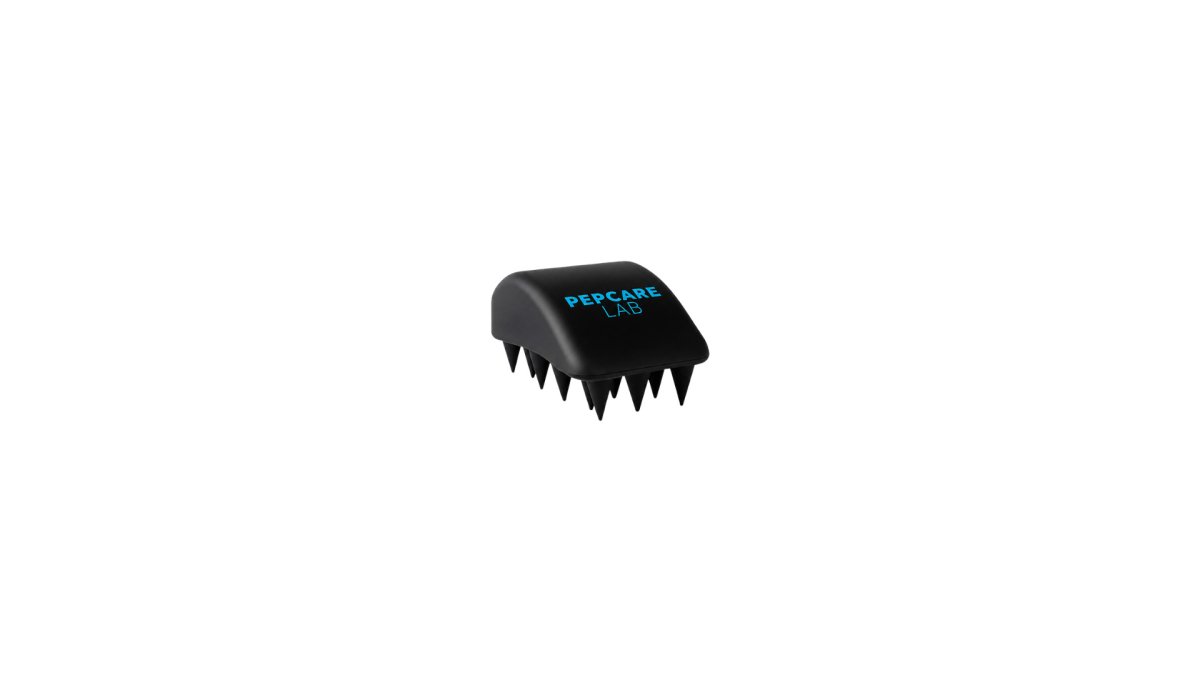
The Pepcare Lab Hair and Scalp Duo combines a 2% copper peptide serum with a scalp brush. The serum delivers peptides, niacinamide, and biotin directly to your scalp. The brush helps distribute the serum evenly and provides gentle exfoliation that removes build-up without irritation.
Step 3: Perform a Patch Test Before Full Application
Before applying any new treatment to your entire scalp, patch test on a small area behind your ear for 24 hours. Watch for redness, burning, or increased itching. If no reaction occurs, it's safe to use on your full scalp. If irritation occurs, rinse with cool water and wait a few days before retrying at lower frequency.
Step 4: Establish a Scalp Massage and Exfoliation Routine
A healthy scalp needs circulation and gentle exfoliation to remove buildup and promote blood flow. Technique and frequency vary by hair type and scalp sensitivity.
Scalp massage:

Massage your scalp 2-3 times weekly for 3-5 minutes using fingertips or a silicone brush with gentle, circular pressure. This improves circulation, delivers oxygen and nutrients, and distributes natural oils and serums. Technique varies by hair type:
For fine or straight hair: Use light to medium pressure with fingertips in slow circles. Avoid vigorous rubbing. A soft silicone brush works well on wet hair.
For curly or coily hair: Use slightly firmer pressure to stimulate oil production and circulation. Massage in sections. Ensure brush bristles are flexible to avoid catching curls; many find fingertip massage more effective.
For thick or textured hair: Use medium pressure for 5-7 minutes to reach all areas. A scalp brush penetrates dense hair more effectively than fingers.
Gentle exfoliation:
Exfoliate once weekly with a soft silicone brush to remove dead skin cells and residue. Frequency and intensity depend on hair type and scalp condition:
For fine or sensitive scalp: Exfoliate once weekly with light pressure; reduce to every 10 days if irritated. Use ultra-soft bristles or fingertips. Avoid gritty scrubs.
For curly or coily hair: Exfoliate once weekly with medium pressure using a brush designed for textured hair. Some benefit from twice-weekly exfoliation; monitor for irritation.
For thick or textured hair: Exfoliate once to twice weekly with medium to firm pressure. Use a brush with slightly stiffer (but flexible) bristles.
The Pepcare Lab Scalp Brush has flexible silicone bristles that massage without scratching. Use on wet or dry hair in slow circles; for curly hair, use on damp hair to reduce friction. Avoid metal scrapers or stiff-bristled brushes.
Integrate massage and exfoliation into wash day: massage 2-3 minutes before shampooing, shampoo gently, exfoliate 1-2 minutes on damp scalp, rinse with cool water, then apply copper peptide serum.
How Often to Wash Dry Scalp for Best Results
Wash 2-3 times weekly to rebuild your scalp's natural oil layer. If you currently wash daily, gradually reduce frequency over 5 weeks. Use dry shampoo or cool water rinses on non-wash days. Always use lukewarm water, not hot, which increases moisture loss.
Nutrition and Lifestyle Changes for Scalp Health
Diet and environment directly affect your scalp's moisture barrier. Nutrient deficiencies show up in hair and skin first, and environmental stressors can overwhelm even well-maintained scalps.
Key nutrients for scalp health:
Include these foods regularly:
- Fatty fish (salmon, mackerel, sardines) for omega-3s and vitamin D
- Eggs for protein, biotin, and choline
- Leafy greens (spinach, kale) for iron, folate, and antioxidants
- Nuts and seeds (walnuts, flaxseeds, pumpkin seeds) for healthy fats and zinc
- Legumes for plant-based protein and iron
- Citrus and berries for vitamin C
- Oysters and beef for zinc (especially important if you're vegetarian)
Environmental factors affecting scalp moisture:
Lifestyle factors:
When to See a Dermatologist
Most dry itchy scalp improves with consistent home care. But some cases need professional help.
See a dermatologist if:
- Your scalp doesn't improve after 4-6 weeks of consistent treatment
- Itching is severe or interferes with sleep
- You have signs of infection (pus, warmth, swelling)
- Flaking spreads beyond your scalp to your face or body
- You develop hair loss alongside the itching
- Your scalp shows signs of seborrheic dermatitis that doesn't respond to gentle care
| Treatment | Frequency | Duration | Expected Timeline |
|---|---|---|---|
| Shampoo | 2-3 times weekly | Ongoing | Immediate (cleansing) |
| Copper peptide serum | 2-3 times weekly (start) | 4-6 weeks | 2-4 weeks for noticeable improvement |
| Scalp massage | 2-3 times weekly | 3-5 minutes | Immediate relief; long-term barrier support |
| Gentle exfoliation | Once weekly | 2-3 minutes | Gradual improvement in flaking |
| Nutritional support | Daily | Ongoing | 6-8 weeks for systemic benefits |
Key External Resources:
Frequently Asked Questions
What's the fastest way to relieve a dry itchy scalp?
Relief typically comes from moisturising the scalp with targeted serums containing peptides and nourishing botanicals, combined with gentle exfoliation to remove flaking and product build-up. The Pepcare Lab Hair/Scalp Serum uses 2% Copper Peptides alongside niacinamide and biotin to hydrate and soothe irritation. Apply daily to a clean scalp, massage gently for 2-3 minutes, and most people notice reduced itching within 5-7 days. Avoid harsh shampoos and limit washing to 2-3 times weekly to preserve the scalp's natural barrier function.
How do you use copper peptides for scalp treatment?
Apply copper peptide serum directly to the scalp after shampooing or on dry scalp between washes. Part your hair into sections and dispense a few drops onto the scalp, then massage gently with your fingertips or a scalp brush for 2-3 minutes to stimulate blood flow and ensure even distribution. The Pepcare Lab Hair and Scalp Duo pairs the serum with a flexible silicone brush designed to exfoliate and massage without scratching. Use daily for best results. Copper peptides work by supporting the scalp microbiome and strengthening the barrier function, reducing trans-epidermal water loss and inflammation.
How often should you wash a dry scalp?
Wash a dry scalp only 2-3 times per week to avoid stripping natural oils and worsening irritation. Over-washing disrupts the scalp's pH balance and damages the barrier function, increasing flaking and itching. On non-wash days, use a dry shampoo or simply rinse with cool water. When you do wash, use a sulfate-free, gentle shampoo and follow with a hydrating scalp serum. If your scalp feels very dry after washing, reduce frequency further or switch to co-washing (conditioning only) once weekly.
Can diet and lifestyle changes help reduce scalp dryness?
Yes. A diet rich in omega-3 fatty acids, zinc, biotin and B vitamins supports scalp health and hydration from within. Include fatty fish, nuts, seeds, leafy greens and whole grains. Stay hydrated by drinking at least 2 litres of water daily, and manage stress through exercise or meditation, as stress can trigger inflammation and worsen scalp conditions. Avoid smoking and excessive alcohol, which dehydrate skin and scalp. Environmental triggers like hard water, chlorine and dry heating also contribute; consider installing a water filter or using a leave-in scalp protectant before swimming or exposure to harsh conditions.