
Quick Summary
Signs of skincare ingredient intolerance on sensitive skin include redness, itching, stinging, burning, tightness and dryness. A reaction is more likely when the skin barrier is thin or compromised, when strong actives are overused, or when fragrance or essential oils have caused trouble before.
- Watch for redness, itching, stinging, burning, tightness and dryness after using a product.
- Bumps, hives and swelling can also signal a reaction to an ingredient.
- Look for fragrance or parfum on ingredient lists and note any ingredients that caused trouble before.
- Keep a simple note of new products so you can trace a reaction to its likely source.
- Patch test new skincare products before full use.
Table of Contents
Why Sensitive Skin Reacts to Some Skincare Ingredients
Sensitive skin often reacts to products that others use without any trouble. The reason usually lies in the skin barrier, the outermost layer that holds moisture in and keeps irritants out.
Several factors make a reaction more likely:
- A thin or compromised skin barrier
- Overuse of strong actives, such as exfoliating acids or retinoids
- Layering too many products at once
- Fragrance, essential oils or preservatives that the skin has not tolerated before
Pepcare Lab formulates with sensitive skin in mind, and understanding these differences is the first step to choosing products that suit your skin.
Early Skincare Irritation Symptoms: Redness, Itching and Stinging
Burning, tightness and dryness are common signs, and how to tell if your skin barrier is damaged explains what to look for.
Bumps, hives and swelling
Irritation or Allergic Reaction to Skincare Products: How to Tell the Difference
Common Skincare Ingredients That Trigger Sensitive Skin
Checking ingredient lists helps you spot these patterns. Look for fragrance or parfum, and note any ingredients that have caused trouble before. Keep a simple note of new products so you can trace a reaction back to its likely source. Pepcare Lab keeps its ingredient lists transparent, which makes this kind of checking easier.
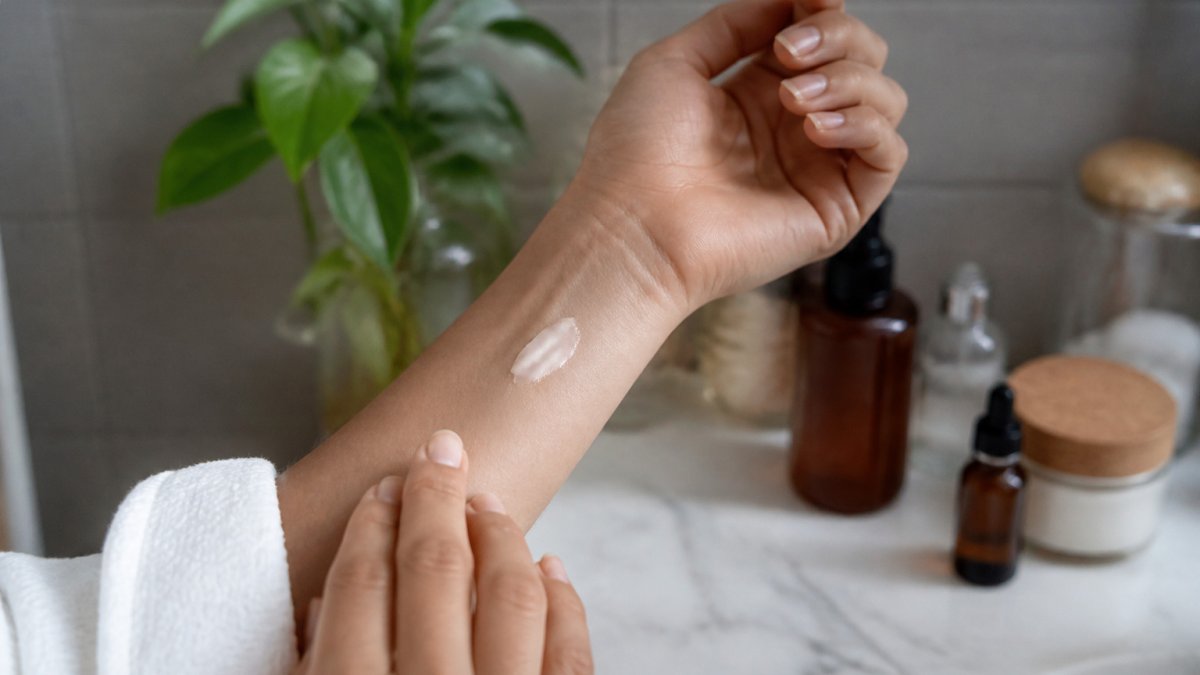
How to Patch Test Skincare Products Before Full Use
For a step-by-step approach, see our guide on copper peptides for sensitive skin, which covers patch testing and layering in more detail.
What to Do When Skincare Irritates Your Skin
Our Barrier Cream is designed to strengthen, restore and protect the skin barrier, and the Face Serum offers lightweight hydration. The Face Duo pairs them in two simple steps.


Booking Your Next Step: Building a Gentle Routine You Can Trust
When you are ready to build a routine, explore the Pepcare Lab Bestsellers.
Frequently Asked Questions
How can you tell the difference between irritation and an allergic reaction?
Irritation usually appears within minutes to a few hours of applying a product and stays close to the area of contact, often causing stinging, burning or dryness. An allergic reaction is an immune response that can take 24 to 72 hours to show, may spread beyond the application site, and often produces itching, raised bumps or swelling. Both can feel similar, so if redness or itching persists beyond a few days, or spreads, stop using the product and speak with your GP or a pharmacist in Australia for advice.
How long does a skincare irritation reaction last?
Mild irritation from a skincare product typically settles within a few days after you stop using it, provided the skin is given time to recover with simple, fragrance-free moisturisation. Persistent redness, itching or swelling lasting longer than a week, or any reaction involving breathing difficulty or facial swelling, needs prompt medical attention. Do not restart the suspect product while symptoms are still present.
What should you do if a skincare product irritates your skin?
Stop using the product immediately and rinse the area gently with lukewarm water. Avoid other active products, such as exfoliants or retinoids, until the skin calms. Keep the routine minimal with a basic, fragrance-free moisturiser. If symptoms worsen or do not improve within a few days, consult a GP or pharmacist. Keep the product packaging so you can identify the ingredients later.
When should you see a doctor about a skincare reaction?
See a doctor if the reaction spreads, blisters, becomes painful or shows signs of infection such as warmth, pus or fever. Seek urgent care for swelling of the lips, face or throat, wheezing or trouble breathing. A doctor can arrange formal patch testing for suspected contact allergy if reactions keep recurring, which helps identify the specific ingredient responsible.
