
Table of Contents
- Start Here: A Self-Assessment Checklist for a Damaged Skin Barrier
- Damaged Skin Barrier Symptoms: What to Look For
- Skin Barrier vs Dry Skin: Telling the Difference
- What Causes Barrier Damage (and What You Might Be Doing)
- How Long Does Skin Barrier Healing Take?
- Your Skin Barrier Repair Routine, Step by Step
- When to See a Doctor About Barrier Symptoms
- Conclusion
- Frequently Asked Questions
Last Updated: October 19, 2026
Start Here: A Self-Assessment Checklist for a Damaged Skin Barrier
Learning how to tell if your skin barrier is damaged comes down to one question: does your skin sting, tighten or flush in situations that never used to bother it? At Pepcare Lab, we hear this every week from people with sensitive skin.
Below, we'll show you exactly how to score what you're feeling so you can act on facts, not guesswork.
Score Your Symptoms by Severity and Duration
Use this checklist. Give each symptom a score from 0 to 3:
- 0 = not present
- 1 = mild, comes and goes
- 2 = noticeable most days
| Symptom | Score 0-3 | How long has it lasted? |
|---|---|---|
| Tightness after cleansing | ___ | ___ days/weeks |
| Dryness or flaking | ___ | ___ days/weeks |
| Redness or warmth | ___ | ___ days/weeks |
| Stinging or burning | ___ | ___ days/weeks |
| Itching | ___ | ___ days/weeks |
| New or worse breakouts | ___ | ___ days/weeks |
How to read your total:
- 0-4: Your barrier looks intact. Keep your routine simple.
- 5-9: Mild damage. Strip back your routine now.
- 10-14: Moderate damage. Simplify and focus on repair.
Weigh Duration and Pattern, Not Just the Total
A single high score on one symptom is less telling than several moderate scores that persist. Use these three rules to interpret your total:
- Duration rule: symptoms that come and go within 24-48 hours after a new product, a hot shower or a windy day are usually a transient reaction, not barrier damage. Symptoms that persist most days for more than one week are the pattern that points to a compromised barrier.
- Cluster rule: one symptom alone (for example, dryness in winter) is usually something else. Three or more symptoms at once, tightness plus stinging plus redness, say, is the classic barrier signature.
- Provocation rule: if a product that was previously comfortable now stings within seconds of application, that is a reactivity signal even if your total score is low. Note which product and stop it.
Screen for Lookalike Conditions Before You Self-Treat
Barrier damage resembles several other conditions, and the checklist above cannot tell them apart. Before you commit to a repair routine, check whether any of the following fit better:
- Eczema (atopic dermatitis): intense itch, dry patches in the elbow creases, behind the knees or on the eyelids, often with a personal or family history of asthma or hay fever. Barrier impairment is part of eczema, but it needs medical management, not just a simpler routine.
- Rosacea: flushing and persistent redness across the cheeks, nose and chin, sometimes with visible blood vessels or papules, triggered by heat, alcohol or spicy food (Rosacea - treatment and symptoms). It does not usually sting on product application the way barrier damage does.
- Contact dermatitis (irritant or allergic): redness, itching or a rash confined to where a product or material touches the skin, appearing hours to days after exposure. Stopping the culprit is the treatment; a barrier cream will not resolve it alone.
- Seborrhoeic dermatitis: flaking and redness in the eyebrows, around the nose and on the scalp, often with a greasy scale rather than dry flaking.
If any of these fit, treat the checklist as a prompt to seek advice rather than a diagnosis. A GP or dermatologist can distinguish them, and some need prescription treatment.
Damaged Skin Barrier Symptoms: What to Look For
The most common damaged skin barrier symptoms are tightness, dryness, redness, stinging and breakouts that appear together rather than alone. One symptom on its own is usually something else. Three or more at once, lasting more than a week, points to a compromised barrier.
Tightness, Dryness and Flaking
That pulled, squeaky-clean feeling after washing is not a good sign. It means moisture loss is running ahead of your skin's ability to hold water.
Watch for:
- Tightness after cleansing that lasts more than a few minutes
- Persistent dryness that moisturiser doesn't fix
- Flaking, rough texture or dry patches
- Dullness and mild puffiness
Redness, Stinging, Itching and Breakouts
Increased reactivity is the clearest signal. Products that were fine last month now sting.
Look for:
- Redness across the cheeks or nose
- Stinging or burning when applying skincare products
- Itching, especially after cleansing
- Sudden breakouts in areas that were previously clear
Skin Barrier vs Dry Skin: Telling the Difference
Skin barrier damage and plain dry skin look alike but behave differently. Dry skin is usually a skin type: it lacks oil, feels rough, and improves with a richer moisturiser. A damaged barrier is a temporary state: it stings, reacts and won't settle no matter what you apply.
Here's the practical test:
- Dry skin: no stinging, no redness, improves within days of moisturising.
- Damaged barrier: stinging, redness and reactivity, and it gets worse when you add more products.
Why They Feel Similar but Behave Differently
Dry skin is a lipid-poor state, the skin produces less oil, so it feels rough and looks dull, but the barrier's structure is largely intact. Barrier damage is a structural problem: the lipid mortar between skin cells is depleted or disrupted, so water escapes and irritants penetrate. That is why a rich moisturiser can rescue dry skin in days but can sting and fail on a damaged barrier, the issue is not a lack of oil but a compromised seal plus active irritation.
The Lookalike Conditions Worth Ruling Out
Several conditions mimic both dry skin and barrier damage, and the distinction changes what you should do:
- Eczema (atopic dermatitis): itchy, dry, inflamed patches in flexures (elbow creases, behind the knees) or on the eyelids, often with a history of asthma or hay fever. Needs medical management; a repair routine alone will not control it.
- Rosacea: persistent redness and flushing across the central face, sometimes with visible vessels or papules, triggered by heat, alcohol or spicy food. It does not typically sting on product application.
- Contact dermatitis: a rash confined to the area a product or material touches, appearing hours to days after exposure. Identifying and stopping the culprit is the fix.
- Seborrhoeic dermatitis: greasy-looking flakes and redness in the eyebrows, around the nose and on the scalp, not the dry flaking of a damaged barrier.
If two or more of these fit better than the barrier pattern, book in with a GP or dermatologist before starting a repair routine.
What Causes Barrier Damage (and What You Might Be Doing)
Most barrier damage comes from too much of a good thing. The usual culprits:
- Harsh cleansers that strip oil and leave skin tight
- Over-exfoliation with acids or scrubs, especially several times a week
- Too many active ingredients layered at once
- Hot water and long showers
If you're using three or more actives in one routine, that's your likely cause. The fix is subtraction, not addition.
How Long Does Skin Barrier Healing Take?
Most mild barrier damage starts to settle within one to two weeks of a simplified routine. Moderate cases often take three to four weeks. More significant damage can take longer, and recovery depends on how much irritation you remove and how consistent you are.
Expect this pattern:
- Days 1-3: less stinging, skin feels calmer
- Week 1-2: tightness and flaking ease
- Week 3-4: redness fades, texture smooths
- Beyond: skin feels resilient again
If nothing improves after four weeks of gentle care, that's your cue to see a doctor.
Your Skin Barrier Repair Routine, Step by Step
A skin barrier repair routine works best when it's short. Three steps, done daily, beat ten products applied inconsistently.
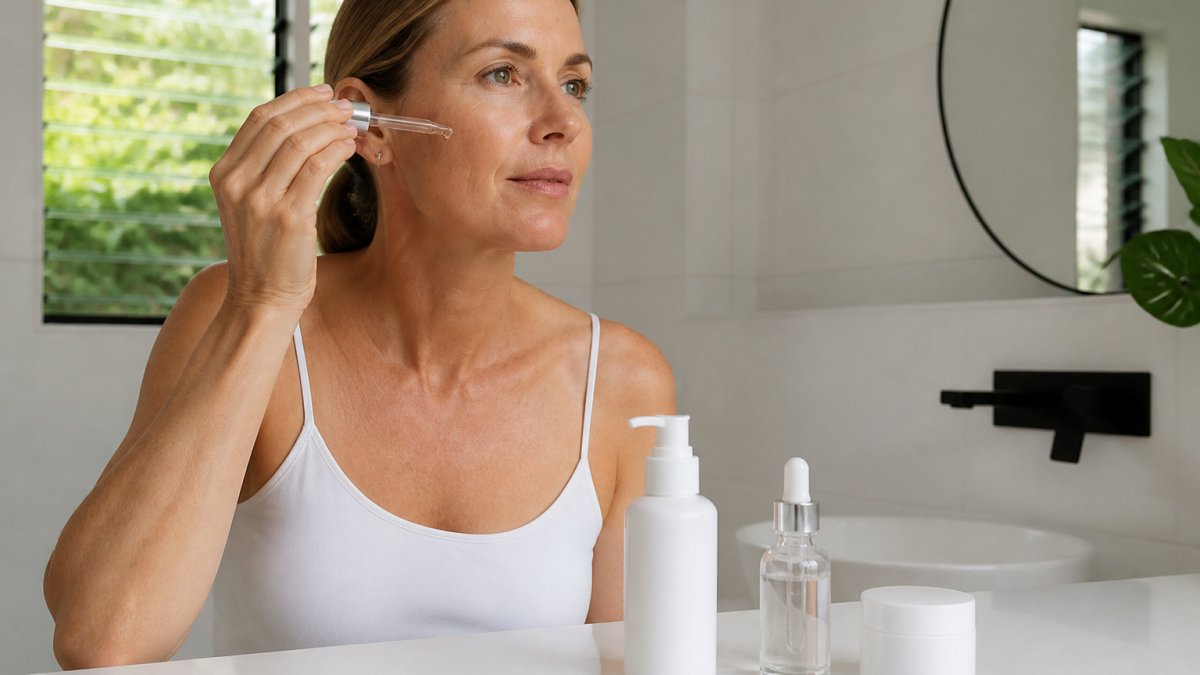
Step 1: Strip Back to a Gentle Cleanse
Cleanse once or twice a day with a gentle, fragrance-free cleanser and lukewarm water. Skip scrubs, cleansing brushes and foaming formulas for now. Pat dry, don't rub.
Step 2: Hydrate and Seal With Barrier-Supporting Ingredients
Apply a hydrating serum to damp skin, then seal it with a moisturiser. Look for barrier-supporting ingredients like niacinamide, squalane and hyaluronic acid, plus peptides such as copper peptides (GHK-Cu), which our formulations are built around.
Our Barrier Cream pairs 1% copper peptides with niacinamide and squalane to support moisture retention and the skin's natural barrier. It's $49 for 50 mL, and the Face Duo bundles the serum and cream for $79.


Step 3: Reintroduce Actives Slowly
Wait until stinging and redness have settled, then add one active back at a time. Use it every third night for two weeks before increasing. If stinging returns, stop and reset.
When to See a Doctor About Barrier Symptoms
See a doctor if symptoms are severe, painful, spreading, or include swelling, weeping or crusting. Also book in if nothing improves after four weeks of gentle care, or if you suspect a condition beyond simple irritation, such as eczema, rosacea or contact dermatitis. These lookalike conditions need proper diagnosis, and a GP or dermatologist can tell them apart from a compromised barrier.
Conclusion
Rebuilding a damaged barrier takes patience, not products. Strip your routine back, seal in moisture, and reintroduce actives slowly. If you want a simple, science-led starting point, our Face Serum and Barrier Cream are built around 1% copper peptides and designed with sensitive skin in mind. Start with the Face Duo and give your skin four weeks of consistency.

Frequently Asked Questions
What are the most common signs of a damaged skin barrier?
The typical damaged skin barrier symptoms are tightness right after cleansing, persistent dryness that moisturiser does not fix, redness, stinging or burning when you apply products that used to feel fine, flaking and rough patches, and sudden breakouts or increased reactivity. What separates barrier damage from ordinary dryness is the combination: several symptoms at once, plus a reaction to products your skin previously tolerated. If you can tick three or more of these and they have lasted more than a week, treat your routine as the likely cause before buying more products.
How long does a skin barrier take to heal?
Most mild cases settle within two to four weeks once you remove the irritant and simplify your routine. More significant damage, such as after over-exfoliation or a reaction to a strong active, can take six to eight weeks before skin feels consistently comfortable again. The timeline depends on how long the trigger was used and how many products were involved. Track symptom duration and severity weekly rather than daily, because day-to-day fluctuations are normal and will make you think nothing is working when it is.
How can I tell if my skin barrier is damaged or my skin is just dry?
Dry skin is usually a consistent skin type: it feels tight and looks flaky, but it responds to moisturiser and does not sting. A compromised barrier is a change in behaviour. Skin that was comfortable becomes reactive, products sting, redness appears in new places, and moisturiser gives only temporary relief. The skin barrier vs dry skin distinction matters because dry skin needs more emollients, while a damaged barrier needs fewer products and less irritation. If your skin has changed recently rather than always been dry, look at your routine first.
What destroys the skin barrier fastest?
The usual culprits are over-exfoliation with acids or retinoids, harsh cleansers that leave skin squeaky, hot water, and layering several active ingredients at once. Weather and indoor heating add to it. The fix is a simplified skincare routine: a gentle cleanser, a hydrating serum and a barrier-supporting moisturiser, with actives paused until symptoms settle. Products with niacinamide, squalane and copper peptides can support barrier repair while you cut back, rather than adding another step that irritates skin further.
Your skin has been sending signals for weeks. The fix starts with fewer products, not more. Pepcare Lab's three-step routines use 1% copper peptides, niacinamide and squalane to support barrier function and skin renewal without overwhelming sensitive skin. Shop our Bestsellers and give your barrier the simple routine it needs.