
Table of Contents
- What Copper Peptide Serum Does for Your Skin
- Benefits of GHK-Cu for Skin Health and Appearance
- How to Use Copper Peptide Serum in Your Daily Routine
- Copper Peptide vs Retinol: Which Ingredient Works Better
- Copper Peptides for Hair Growth and Scalp Health
- Sensitivity Testing and Skin Barrier Compatibility
- Choosing Your Copper Peptide Serum: Product Options and Pricing
- Frequently Asked Questions
Last Updated: September 3, 2026
What Copper Peptide Serum Does for Your Skin
Copper peptide serum is a lightweight topical formula designed to support smoother, firmer, and more radiant-looking skin by harnessing the power of GHK-Cu, a naturally occurring tripeptide complex. The peptide works by signalling your skin cells to increase collagen synthesis and elastin production, two proteins essential for maintaining skin elasticity and reducing the appearance of fine lines and wrinkles.
At Pepcare Lab, we've built our entire product line around this single powerful ingredient because the science behind copper peptides is compelling. Unlike many anti-ageing actives that work through irritation or exfoliation, copper peptides operate through cellular communication, essentially telling your skin to do what it did naturally when you were younger. The result is a gentler approach that still delivers visible improvements in skin texture, hydration, and firmness over time.

The mechanism is straightforward: GHK-Cu penetrates the skin barrier and binds to specific receptors on fibroblasts, the cells responsible for producing collagen. This triggers a cascade of rejuvenation signals without the irritation associated with retinol or vitamin C. For those with sensitive skin, a core audience for copper peptide products, this represents a meaningful alternative to harsher actives.
The serum format matters too. A well-formulated copper peptide serum delivers the peptide in a lightweight, fast-absorbing base that won't sit on the skin or interfere with your barrier. This is why concentration and formulation quality separate effective products from expensive placebos.
Benefits of GHK-Cu for Skin Health and Appearance
Copper peptides deliver measurable benefits across multiple dimensions of skin health. The antioxidant properties of GHK-Cu protect against environmental stressors, whilst simultaneously supporting the skin's natural renewal processes. This dual action, defence and renewal, is what makes copper peptides distinct from single-mechanism actives.
Collagen and elastin support is the primary benefit. As we age, collagen production slows dramatically. Copper peptides signal fibroblasts to increase synthesis, which translates to firmer-looking skin and a reduction in fine lines over weeks of consistent use. Clinical formulations show improvements in skin elasticity and a visibly plumped appearance, particularly around areas prone to sagging.
Improved skin texture follows naturally from increased collagen production. Users often report smoother skin and a more refined appearance within 4-8 weeks of daily application. The peptide also supports cell turnover, helping to clear congestion and improve overall skin clarity without the dryness or irritation of exfoliating actives.
Skin barrier function is strengthened through copper peptide use. The peptide supports the production of structural proteins that reinforce the skin's protective barrier, leading to better hydration retention and reduced sensitivity. This is particularly valuable for those with compromised or reactive skin, as it addresses the root cause of irritation rather than masking symptoms.
Hydration and plumping effects occur because improved barrier function allows the skin to retain moisture more effectively. Many users notice their skin feels softer and more supple within days, even before collagen-building benefits become visible. This immediate hydration effect is why copper peptide serums often feel more comfortable than other anti-ageing actives during the initial adjustment period.
How to Use Copper Peptide Serum in Your Daily Routine
The optimal application method for copper peptide serum is straightforward, but consistency matters more than complexity. Begin with clean, dry skin, either after cleansing in the morning or evening, or ideally both. Damp skin can dilute the serum and reduce its efficacy, so allow your face to dry completely before application.
Apply 2-3 drops of serum to your fingertips and gently press it into your skin using upward motions. Avoid rubbing or tugging, as this can stress the skin barrier and reduce absorption. The serum should feel lightweight and absorb within 30-60 seconds. If it sits on your skin longer than that, you've likely applied too much, less is more with peptide serums.
Follow immediately with your moisturiser whilst your skin is still slightly damp from the serum. This layering technique is crucial: the serum delivers the active peptide, and the moisturiser seals it in and provides additional hydration. Skipping the moisturiser step will reduce the effectiveness of the serum and may leave sensitive skin feeling tight.
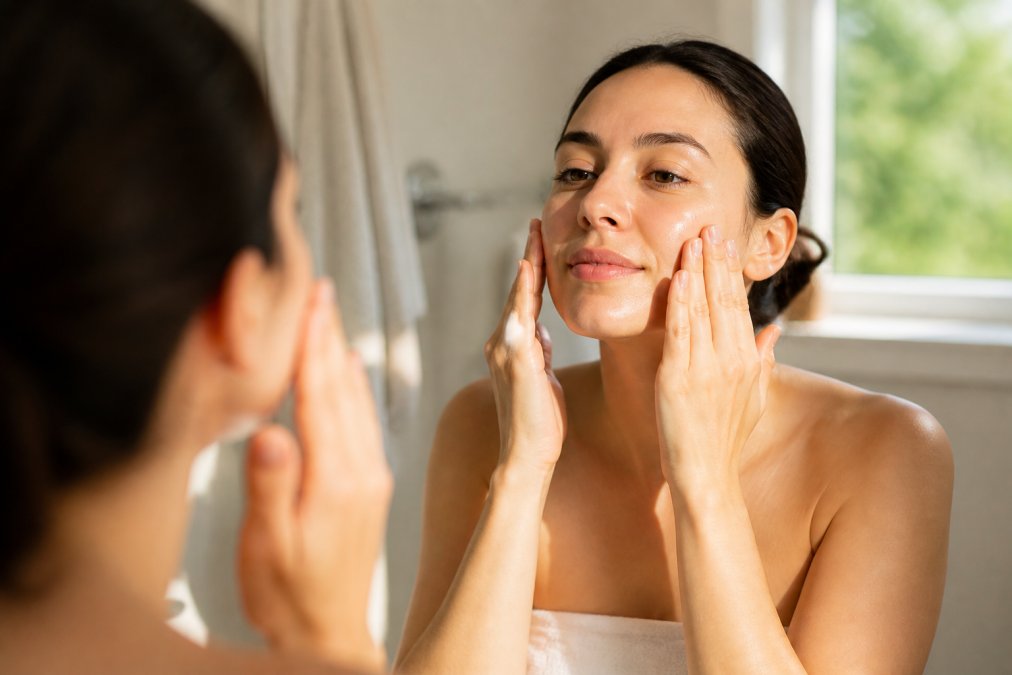
Timing is flexible, morning or evening application both work, though many users prefer evening to allow the peptide to work whilst the skin repairs overnight. If you're new to copper peptides, start with 3-4 applications per week to allow your skin barrier to adjust, then progress to daily use as tolerance improves. This gradual introduction is especially important for sensitive skin types.
The Pepcare Lab Face Serum can be used indefinitely as a maintenance product. Unlike retinol, which requires cycling, copper peptides support ongoing collagen production without the need for breaks. Many users find their skin reaches an optimal appearance after 8-12 weeks of consistent daily use, then maintains that appearance with continued application.

Copper Peptide vs Retinol: Which Ingredient Works Better
This comparison often generates strong opinions, but the answer depends entirely on your skin type and tolerance. Both ingredients address similar concerns, fine lines, skin texture, and collagen support, but through fundamentally different mechanisms.
Retinol works through irritation and cell turnover acceleration. It forces faster skin renewal by triggering inflammation, which signals the skin to shed old cells and produce new collagen. This process is effective but comes with a significant adjustment period: redness, flaking, sensitivity, and potential barrier damage are common, especially in the first 4-8 weeks. Retinol is also photosensitising, requiring strict SPF use and evening-only application.
Copper peptides work through cellular signalling without irritation. GHK-Cu communicates directly with fibroblasts to increase collagen production, without forcing unnecessary cell turnover or triggering inflammation. There's no adjustment period, no photosensitivity, and no barrier damage. The trade-off is that results develop slightly more gradually, typically 4-6 weeks rather than 2-3 weeks, but the improvement is sustained and the process is gentler.
For sensitive skin, the choice is clear: copper peptides are suitable. They deliver anti-ageing benefits without compromising barrier integrity or triggering reactive episodes. For those with resilient skin who tolerate retinol well, retinol may produce faster visible results, but the ongoing irritation and maintenance burden often outweigh the speed advantage.
The real insight here is that "better" is meaningless without context. Retinol suits those who tolerate irritation and want rapid results. Copper peptides suit those prioritising skin health, barrier integrity, and sustainable long-term improvement. Many users eventually choose copper peptides because the lack of irritation makes daily use genuinely sustainable, retinol fatigue is real, and many people abandon it after a few months.
Copper Peptides for Hair Growth and Scalp Health
The benefits of copper peptides extend beyond facial skin into scalp health and hair growth support. The same cellular signalling mechanism that supports collagen in the dermis also stimulates follicle health and promotes stronger-looking hair.
Scalp health improves through increased blood flow and antioxidant protection. Copper peptides reduce oxidative stress on hair follicles, which is often a contributing factor in thinning and early hair loss. A healthier scalp environment supports stronger hair growth and can reduce shedding over time.
Follicle stimulation occurs through the same GHK-Cu mechanism that triggers collagen synthesis in skin. The peptide signals follicle cells to increase activity and support stronger hair structure. Whilst copper peptides won't reverse significant hair loss, they can support the appearance of thicker, stronger hair and may slow early thinning when used consistently.
The Pepcare Lab Hair & Scalp Serum uses a 2% copper peptide concentration, higher than the facial serum, because the scalp requires stronger signalling to overcome the protective barrier of hair and sebum. Application involves parting the hair and applying the serum directly to the scalp, then gently massaging with the included scalp brush to ensure even distribution and improved absorption.

Results for hair typically take longer than skin, 8-12 weeks of consistent use before noticeable improvement in hair thickness and shedding. This timeline reflects the hair growth cycle, which operates on a much slower schedule than skin renewal. Patience and consistency are essential; sporadic use will not produce meaningful results.
Sensitivity Testing and Skin Barrier Compatibility
Before introducing any new active, especially peptides, a patch test is non-negotiable for sensitive skin types. Even gentle actives can trigger reactions in compromised or reactive skin, and identifying this early prevents wasted product and unnecessary irritation.
Patch testing protocol: Apply a small amount of serum (about the size of a pea) to a discrete area, the inner arm or behind the ear, and wait 24-48 hours. Monitor for redness, itching, burning, or any inflammatory response. If no reaction occurs, you can proceed to full facial application. If irritation develops, discontinue use and allow the skin to settle before trying again.
Many users with sensitive skin worry that copper peptides will trigger reactions because they're unfamiliar with the ingredient. In practice, copper peptides are among the gentlest actives available, they don't exfoliate, don't irritate, and don't compromise the barrier. Most reactions occur when users layer too many actives or apply too much product too quickly.
Ingredient conflicts to avoid: Do not combine copper peptides with vitamin C serums in the same routine. Both are potent actives, and the combination can overwhelm sensitive skin. If you use both, apply them on alternate days or in separate routines (vitamin C in the morning, copper peptides in the evening). Niacinamide is compatible and actually synergistic with copper peptides, both support barrier function and can be used together safely.
Retinol and copper peptides should not be combined, as discussed earlier. AHAs and BHAs are also best avoided when introducing copper peptides; allow your skin to adjust to the peptide for at least 4 weeks before adding exfoliating actives.
Choosing Your Copper Peptide Serum: Product Options and Pricing
When selecting a copper peptide serum, concentration, formulation quality, and complementary ingredients matter far more than brand recognition. A 1% copper peptide concentration is the standard for effective facial serums, anything lower is unlikely to deliver measurable results, and anything higher risks irritation without additional benefit.
Pepcare Lab Face Serum ($49.00 AUD) delivers 1% copper peptides in a lightweight, fast-absorbing base with niacinamide and hyaluronic acid. The formulation is fragrance-free, non-comedogenic, and suitable for sensitive skin. At this price point, it represents strong value for a science-led, Australian-made product with transparent ingredient sourcing.
The serum absorbs quickly and layers well with other products, making it ideal for those building a multi-step routine. Many users report visible improvements in skin texture within 4-6 weeks and sustained benefits with continued use. The 30 mL bottle provides approximately 4-6 weeks of daily application, making the cost-per-use reasonable for a potent active.
Pepcare Lab Face Duo ($79.00 AUD) pairs the Face Serum with the Barrier Cream, creating a complete two-step routine. This bundle saves $19 compared to purchasing separately and includes free shipping, making it the logical choice for those new to copper peptides or those wanting to ensure proper layering with a complementary moisturiser. The Barrier Cream is lightweight yet nourishing, designed to lock in the serum's benefits without heaviness.
Pepcare Lab Complete Collection ($149.00 AUD) includes the Face Serum, Barrier Cream, Hair & Scalp Serum (2% copper peptides), and a scalp brush. This represents the most comprehensive option, saving $37 compared to purchasing individually and delivering free Australian shipping. It's ideal for those addressing both facial skin and hair concerns simultaneously, or those wanting a complete, coordinated routine.
| Product | Price | Key Features | Best For |
|---|---|---|---|
| Face Serum | $49.00 | 1% copper peptides, 30 mL | Those wanting to add peptides to existing routine |
| Face Duo | $79.00 | Serum + Barrier Cream, free shipping | Complete two-step facial routine, new users |
| Complete Collection | $149.00 | Face + hair + scalp brush, save $37 | Full face and scalp routine, comprehensive approach |
When comparing copper peptide serums across the market, look beyond price to concentration and formulation. A cheap serum with 0.5% copper peptides will underperform an expensive one with proper 1% concentration. Pepcare Lab's pricing reflects the actual cost of quality ingredients and transparent sourcing, not marketing overhead.
Copper peptides and their role in skin health research supports the efficacy of GHK-Cu in collagen synthesis. Dermatological guidelines on peptide-based skincare confirms that peptides are suitable for sensitive skin types when properly formulated. Australian Cosmetics Legislation and ingredient standards governs the safety and labelling of products like those formulated by Pepcare Lab.
Frequently Asked Questions
Q: Does copper peptide serum actually work for anti-aging?
A: Copper peptide serum works by stimulating collagen synthesis and elastin production, which are key to maintaining skin elasticity and reducing fine lines. The active compound GHK-Cu signals your skin cells to support skin barrier repair. Results typically appear within 4-8 weeks of consistent daily use, though individual timelines vary depending on skin type and age.
Q: How do I incorporate copper peptide serum into my skincare routine?
A: Apply copper peptide serum to clean, dry skin before your moisturiser. Use 2-3 drops and gently press into the face, neck and décolletage. Follow immediately with your barrier cream to lock in hydration. Use morning and evening for best results. If you're new to peptides, start with 3-4 times per week to allow your skin barrier to adjust, then increase to daily use.
Q: Is copper peptide serum safe for sensitive skin?
A: Copper peptide serum is generally well-tolerated by sensitive skin when formulated thoughtfully. Always perform a patch test on your inner arm or behind your ear first. Apply a small amount and wait 24 hours to check for irritation. If your skin tolerates it well, introduce the serum gradually into your routine, starting 2-3 times per week. Fragrance-free formulations designed for sensitive skin are less likely to trigger reactions.
Q: What is the difference between copper peptides and retinol?
A: Copper peptides work by signalling skin cells to produce more collagen and elastin, while retinol increases cell turnover by converting to retinoic acid. Copper peptides are gentler and suitable for sensitive skin, whereas retinol can cause initial irritation and peeling. You can use both, but introduce them separately over time. Copper peptides are ideal if you want anti-aging benefits without the adjustment period retinol requires.
Q: How long until I see results from using copper peptide serum?
A: Most people notice improved skin hydration and a smoother texture within 2-3 weeks. More visible changes in fine lines and skin elasticity typically appear after 6-8 weeks of consistent daily use. Hair and scalp improvements may take 8-12 weeks, as the hair growth cycle is longer. Consistency matters: results depend on using the serum every day as directed.
Choosing a copper peptide serum is ultimately about matching your skin's needs with a formulation you'll use consistently. Pepcare Lab's range addresses the most common scenarios, facial skin support, barrier repair, and scalp health, without unnecessary complexity. The science is sound, the pricing is transparent, and the results speak for themselves. Shop our Bestsellers and experience the difference that science-led peptide formulations can make for your skin and hair.
This article was written using GrandRanker