
Last Updated: October 23, 2026
Quick Summary
The best gentle cleansers for a damaged skin barrier are mild, low-pH formulas built on glucosides, isethionates, betaines or amino acid surfactants, free from fragrance and essential oils. Non-foaming creams and milks suit dry, reactive skin, while mild gels or foaming cleansers work for oilier skin that still reacts. Judge a cleanser by how your skin feels 10 minutes after rinsing, not by the lather.
- Keep cleanser contact time under 30 seconds and use lukewarm water, never hot.
- If SLS appears in the first five ingredients and your skin is reactive, choose something else.
- Cleanse sensitive skin twice daily, or once daily in the evening while the barrier is actively irritated.
- Most people notice less stinging and tightness within one to two weeks of switching to a mild cleanser.
- Pause physical exfoliants and exfoliating acids entirely until your skin stops stinging.
Table of Contents
- What a Damaged Skin Barrier Looks Like (and Why Cleansing Matters)
- How to Choose the Best Cleanser for Sensitive Skin
- Ingredients to Avoid in Cleanser for Sensitive Skin
- How to Repair a Damaged Skin Barrier with Your Cleansing Routine
- Best Gentle Cleansers for a Damaged Skin Barrier: Comparison Table
- How Often Should I Cleanse Sensitive Skin?
- What to Expect During Barrier Recovery (and When to Seek Care)
- Conclusion
- Frequently Asked Questions
What a Damaged Skin Barrier Looks Like (and Why Cleansing Matters)
A damaged skin barrier is the outermost layer of skin losing its ability to hold water and keep irritants out, showing up as tightness, redness and stinging after products that never used to sting. For a full walkthrough of rebuilding tolerance, see our guide to repairing a damaged skin barrier.
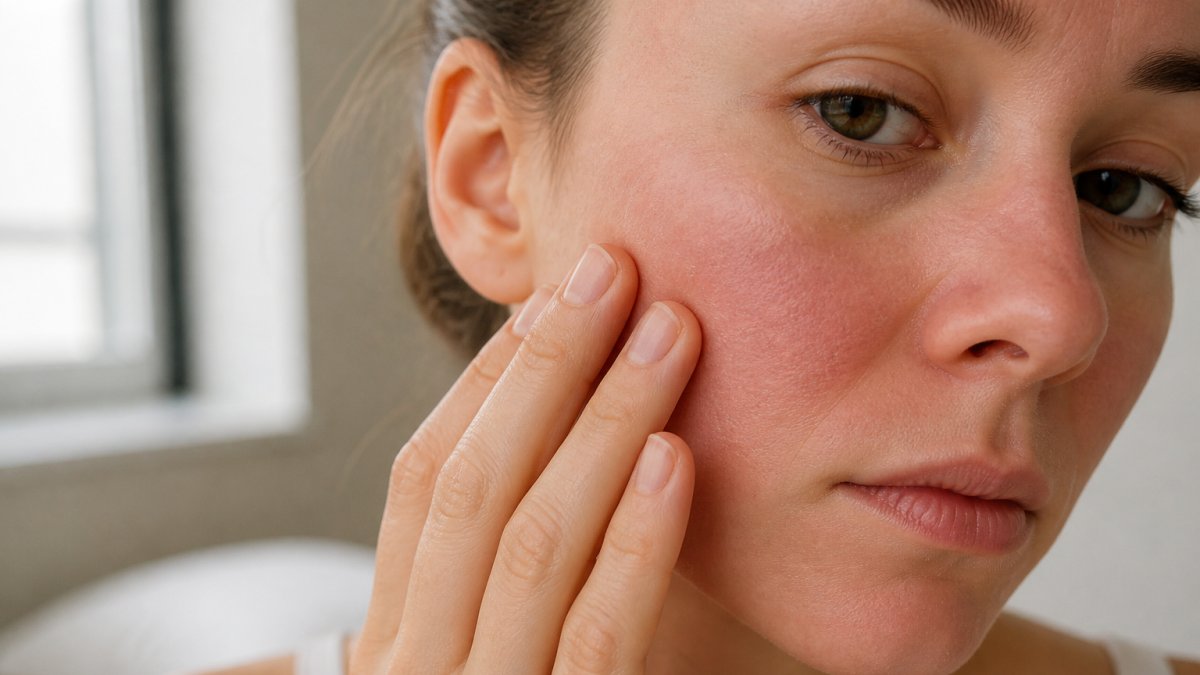
Signs Your Barrier Is Compromised
Watch for tightness that lingers after washing, stinging from water alone, flaking around the nose and cheeks, and redness that flares without a clear trigger. Your usual moisturiser may also start to feel insufficient. These are tolerance signals, not a diagnosis, and they tend to appear together.
How Cleansing Can Weaken or Support the Barrier
Cleansing is the step most likely to tip a fragile barrier over the edge, because surfactants lift oil and, if too aggressive, take barrier lipids with them. A mild, low-pH cleanser removes sunscreen and makeup without stripping that lipid layer. Hot water and a rough cloth undo even a gentle formula, so technique matters as much as the bottle.
How to Choose the Best Cleanser for Sensitive Skin
The best cleanser for sensitive skin cleans thoroughly, rinses clean and leaves no tightness afterwards, judgeable within a week. Selection comes down to three things: surfactant strength, pH, and whether the formula carries anything your skin has already reacted to. One boring, reliable cleanser twice a day beats rotating through five.
Non-Foaming vs Foaming: Which Texture Suits Irritated Skin
Non-foaming creams and milks suit dry, reactive or barrier-damaged skin because they rely on gentler emulsifiers and leave more moisture behind. Foaming formulas suit oilier or acne-prone skin, but a harsh foam is the fastest route to post-wash tightness. If your skin is irritated, start non-foaming and reintroduce foam only once tolerance returns.
Barrier-Supporting Ingredients to Look For
Look for ceramides, glycerin, panthenol, squalane, niacinamide and peptides, which support moisture retention rather than simply removing dirt. Humectants pull water in; ceramides and squalane help seal it. A cleanser need not contain all of these, but two or three signals the formula was built with barrier function in mind.
Ingredients to Avoid in Cleanser for Sensitive Skin
The ingredients worth avoiding in a cleanser for sensitive skin fall into two groups: those that strip barrier lipids, causing dryness and tightness that builds over days, and those that trigger contact reactions, causing redness, itching or stinging within minutes to hours. Neither group is universally harmful, on intact skin most are well tolerated, but on a compromised barrier the margin for error is small.
Surfactants that strip lipids
Surfactants lift oil and dirt by binding to both water and oil. The stronger the surfactant, the more effectively it removes sebum, and the more likely it pulls barrier lipids (ceramides, cholesterol and fatty acids) out of the stratum corneum.
That does not mean every foaming cleanser is off-limits. Milder surfactant systems, cocamidopropyl betaine, sodium cocoyl isethionate, coco-glucoside, decyl glucoside and amino acid-based surfactants, clean adequately with less lipid disruption.
Fragrance and essential oils
Added fragrance is the most common cause of cosmetic contact allergy and the ingredient most worth eliminating when the barrier is compromised. 'Fragrance' or 'parfum' can represent dozens of compounds you cannot identify from the label. Essential oils, lavender, citrus, peppermint, eucalyptus, tea tree, are natural sources of the same volatile aromatic compounds (linalool, limonene, citral) that cause reactions, so 'essential oil free' and 'fragrance free' are not the same claim. 'Unscented' may still contain masking fragrance; 'fragrance free' is the stronger claim.
Drying alcohols and physical exfoliants
Not all alcohols are drying, fatty alcohols such as cetyl and stearyl alcohol are emollients and are fine. Watch the volatile alcohols: ethanol, denatured alcohol and isopropyl alcohol, which appear high in some toners and gel cleansers and can sting broken or irritated skin. Physical exfoliants, polyethylene beads, crushed walnut shell, sugar and salt scrubs, mechanically disrupt an already compromised stratum corneum and should be paused entirely during recovery.
Preservatives and other contact allergens
Preservatives are necessary in any water-containing product, and most are safe for the majority of people. A minority react to specific ones, methylisothiazolinone (MI) is a well-recognised contact allergen, restricted in leave-on cosmetics in many markets though still found in some rinse-off products. If a patch test confirmed a preservative allergy, check labels for that specific ingredient rather than avoiding preservatives wholesale.
If you want to get better at reading those labels, our skincare ingredient transparency guide walks through how to interpret an ingredient list without a chemistry degree.
How to Repair a Damaged Skin Barrier with Your Cleansing Routine
Repairing a damaged skin barrier starts with removing what keeps irritating it, and cleansing is where most people make their first mistake. Strip back to a mild cleanser, a barrier-supporting moisturiser and sunscreen, then hold that for at least two weeks before adding anything else. Consistency beats complexity.
A Low-Irritation Cleansing Method
- Wash hands before touching your face
- Use lukewarm water, never hot
- Apply cleanser with fingertips and no cloth or brush
This method works with any gentle formula. Skip the double cleanse unless removing heavy sunscreen or makeup, and even then use the same mild product twice rather than a strong makeup remover.
Best Gentle Cleansers for a Damaged Skin Barrier: Comparison Table
Most 'best cleanser' lists are undifferentiated product roundups. This one asks a different question: given your symptoms, skin type and cleansing habits, which type of formula is most likely to be tolerated while your barrier recovers? The table compares categories rather than brands, because surfactant system, texture and pH predict tolerance far more reliably than the label does.
How we assessed these options
We evaluated cleanser categories against four criteria that matter on a compromised barrier:
- Surfactant system, whether the formula relies on mild surfactants (glucosides, isethionates, betaines, amino acid surfactants) or on stronger anionic surfactants such as SLS.
- pH, cleansers close to skin's natural slightly acidic pH (around 4.5-5.5) are generally better tolerated than alkaline bar soaps, which can raise skin pH and disrupt the enzymes involved in barrier lipid processing.
- Added fragrance and essential oils, the single most useful exclusion criterion for reactive skin.
- Residue and rinse behaviour, whether the formula rinses clean without leaving a film that traps irritants, or strips so completely that skin feels tight within minutes.
We have not tested every product on the market and do not claim to. The categories reflect how formulators and dermatologists typically classify cleansers, and the guidance is meant to help you shortlist rather than rank brands.
Cleanser categories compared
| Category | Typical surfactants | Texture | Best suited to | Watch-outs |
|---|---|---|---|---|
| Cream or milk cleanser | Glucosides, isethionates, fatty alcohols | Rich, non-foaming | Dry, reactive or barrier-damaged skin; morning cleanse | Can leave residue; may not remove heavy sunscreen alone |
| Gel cleanser (mild) | Cocamidopropyl betaine, amino acid surfactants | Light gel, low foam | Combination or oily skin that still reacts | Check for fragrance and volatile alcohols |
| Foaming cleanser (mild) | Isethionates, glucosides | Airy foam | Oily or acne-prone skin with good tolerance | 'Foaming' does not guarantee mild, check the surfactant |
| Micellar water | Mild non-ionic surfactants | Water-like | First step for makeup or sunscreen removal | Requires rinsing or a follow-on cleanse to avoid residue |
| Cleansing balm or oil | Emulsifiers, plant oils | Solid or oil | Removing heavy sunscreen or long-wear makeup | Fragrance and essential oils are common; patch test |
Matching the category to your situation
- Dry, tight, stinging skin with no active breakouts: start with a cream or milk cleanser, once daily in the evening, and rinse with lukewarm water in the morning.
- Oily skin that still stings after washing: a mild gel cleanser is usually better tolerated than a cream, because it rinses clean without residue; avoid anything with SLS or a strong fragrance.
- Daily sunscreen or makeup use: a micellar water or cleansing balm as a first step, followed by your gentle cleanser, removes product without requiring a harsh makeup remover. If your skin is actively irritated, use the same mild cleanser twice rather than introducing a new product.
A cleanser removes; a moisturiser rebuilds. Pairing a mild cleanser with a barrier-supporting cream most reliably reduces tightness, which is why we treat the two as one decision. Our Barrier Cream with copper peptides is formulated with niacinamide and squalane to support moisture retention after cleansing, and the Face Duo bundles both steps for $79, saving $19 against buying them separately.

How Often Should I Cleanse Sensitive Skin?
Cleansing sensitive skin twice daily is usually enough, and once daily in the evening is often better while the barrier is actively irritated.
If your skin feels tight after every wash, drop to one cleanse a day for a fortnight and see whether tolerance improves. For a broader routine framework, our gentle skincare guide for reactive skin covers how cleansing frequency fits alongside moisturising and sun protection.
What to Expect During Barrier Recovery (and When to Seek Care)
Most people notice less stinging and tightness within one to two weeks of switching to a mild cleanser and a barrier-supporting moisturiser. Full recovery takes longer, and flare-ups are common if you reintroduce actives too early. Patience is the active ingredient.
Seek care from a GP or dermatologist if you have persistent redness, swelling, weeping, cracked skin that bleeds, or irritation that worsens despite a simplified routine. If your barrier damage followed retinol or another active, our guide to fixing a damaged skin barrier from retinol covers the step-down process in more detail.
Conclusion
Rebuilding a compromised barrier is less about finding a miracle bottle and more about removing what keeps irritating your skin. We built our range around that idea: simple, peptide-led formulas with transparent ingredients, made for sensitive skin. Our Barrier Cream pairs 1% copper peptides with niacinamide and squalane to support moisture retention, and the Face Duo gives you serum and cream in two steps for $79.
Frequently Asked Questions
What skincare can repair a damaged skin barrier?
Look for cleansers and moisturisers with ceramides, niacinamide, squalane and peptides. A gentle, low-foam cleanser removes dirt without stripping lipids, while a barrier cream seals in hydration. Pepcare Lab's Barrier Cream ($49) combines 1% copper peptides, niacinamide and squalane to support moisture retention. Avoid exfoliating acids and harsh scrubs until redness and tightness settle, usually within two to four weeks of consistent gentle care.
Should I stop using exfoliating acids if my skin barrier is damaged?
Yes. Pause exfoliating acids, retinoids and scrubs until tightness, stinging and redness resolve. These ingredients speed cell turnover, which is useful on healthy skin but disruptive when the barrier is compromised. Swap to a mild, fragrance-free cleanser and a barrier-supporting moisturiser for at least two weeks. Reintroduce one active at a time, once or twice weekly, and stop again if irritation returns.
Can a cleanser repair a damaged skin barrier?
A cleanser cannot repair the barrier on its own, but the right one stops making damage worse. Gentle, low-pH formulas with non-foaming textures remove sunscreen and makeup without stripping lipids. Pair cleansing with a moisturiser that contains ceramides, peptides or niacinamide to support recovery. Think of cleansing as removing the cause of irritation, and moisturising as the repair step.
How often should I cleanse sensitive or compromised skin?
Twice daily is standard, but compromised skin often does better with one full cleanse in the evening and a water rinse in the morning. The evening cleanse removes sunscreen, makeup and daily buildup. If your skin feels tight or stings after washing, reduce to once daily and use lukewarm water. Adjust based on how your skin feels, not a fixed rule.
What ingredients should I look for in a gentle cleanser?
Choose fragrance-free formulas with glycerin, ceramides, squalane or niacinamide. Non-foaming cream or lotion textures are less likely to strip skin than foaming gels. A low-pH formula close to skin's natural acidity supports the barrier. Avoid sulfates, alcohol denat and essential oils. Pepcare Lab's Face Serum ($49) with 1% copper peptides, niacinamide and hyaluronic acid can follow cleansing to support hydration.
This article is general information only and is not medical advice. If your skin symptoms are persistent or worsening, consult a qualified health professional.
