
Table of Contents
- Step 1: Recognise the Signs Your Skin Barrier Is Damaged
- Step 2: Stop Retinol and Start Retinol Burn Treatment
- Step 3: Follow a Simple Skin Barrier Repair Routine
- Step 4: Understand Retinol Irritation Recovery Time
- Step 5: How to Restart Retinol After Irritation
- When to See a Doctor: Irritation vs Allergy or Infection
- Preventing Future Barrier Damage from Retinol
- Frequently Asked Questions
Last Updated: October 12, 2026
Step 1: Recognise the Signs Your Skin Barrier Is Damaged
The fastest way to fix a damaged skin barrier from retinol is to stop guessing and start reading your own face for the signs of a damaged skin barrier. Retinol speeds up cell turnover, and that process strips away some of the lipids and proteins that hold your protective barrier together. When the barrier thins, water escapes and irritants get in.
Here is what that looks like in practice:
- Redness that spreads beyond where you applied the product
- Stinging or burning when you apply anything, even water
- Flaking, peeling, or rough patches that do not settle
- Tightness and dryness that moisturiser cannot fix
- Sudden sensitivity to products you have used for years
These symptoms together are sometimes called retinoid dermatitis. It is irritation, not an allergic reaction, and it is common when you start too strong or apply too often.
If your skin is red, tight, and stinging, you are not tolerating your current routine. That is the signal to change course.
Step 2: Stop Retinol and Start Retinol Burn Treatment
Retinol burn treatment starts with one action: pause the retinol completely. Not reduce it. Stop it.
This feels counterintuitive if you were seeing results.
For the next few days, strip your routine back:
- No retinol, no exfoliating acids, no vitamin C
- No scrubs, no clay masks, no cleansing brushes
- Lukewarm water only for cleansing, or a gentle cleanser if you need one
- A plain moisturiser, applied morning and night
Many people find the stinging eases within a few days once the actives are gone. The redness and flaking take longer.
If your skin feels hot, looks swollen, or weeps fluid, that is beyond a simple barrier issue. See a doctor rather than treating it at home.
Step 3: Follow a Simple Skin Barrier Repair Routine
A skin barrier repair routine works by removing what irritates and adding back what protects. That means fewer products, not more.
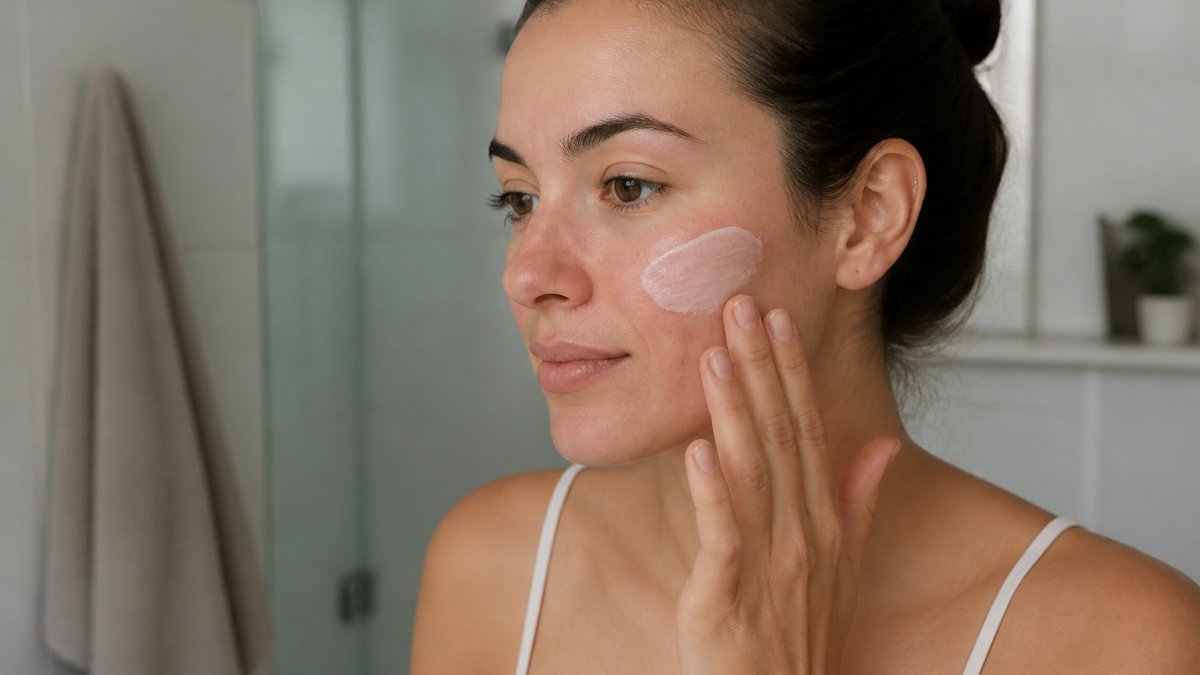
Cleanse gently and avoid stripping ingredients
Use a gentle cleanser, or just water, once or twice a day. A non-stripping cleanser leaves skin comfortable rather than squeaky. Avoid foaming washes with strong surfactants, fragrance, and anything labelled exfoliating. Hot water strips lipids, so keep it lukewarm.
Hydrate and soothe with barrier-supporting ingredients
Apply moisturiser to slightly damp skin to trap water in. Look for barrier-supporting ingredients:
- Ceramides to replace lipids the barrier has lost
- Fatty acids and squalane to support the skin's outer layer
- Niacinamide to calm redness and support moisture retention
- Hyaluronic acid to draw water into the skin
At Pepcare Lab, our Barrier Cream pairs 1% copper peptides with niacinamide and squalane to replenish hydration and support the skin's natural barrier. It is designed for sensitive skin, so it fits a stripped-back routine without adding new irritants.

Step 4: Understand Retinol Irritation Recovery Time
Retinol irritation recovery time usually runs from one to two weeks for mild irritation, and up to four weeks for a full retinol burn. The timeline depends on how damaged the barrier was, how quickly you stopped the actives, and, importantly, what type of retinoid you were using.
Why the product matters more than the timeline
Not all retinoids behave the same way on the barrier. Over-the-counter retinol and retinaldehyde are converted to retinoic acid in the skin, so they act more slowly and tend to produce a milder, more gradual irritation.
A common pattern is:
- Over-the-counter retinol or retinal: irritation builds over several weeks, peaks around weeks two to four, and settles within one to two weeks of pausing.
- Prescription retinoids: irritation can appear within days, peaks in the first fortnight, and may take three to four weeks of gentle care to settle.
- Higher strengths and layered actives: recovery is slower because more than one barrier-disrupting product is involved.
If you were using a prescription retinoid, treat your recovery as the longer end of the range and do not restart without checking with the prescriber.
Staged milestones, not just a calendar
Use these milestones rather than counting days. Move to the next stage only when the current one is fully met.
| Stage | What You Notice | What Must Be True Before Moving On |
|---|---|---|
| Acute irritation | Stinging, redness, tightness, heat | Stinging stops when you apply plain moisturiser |
| Peeling and flaking | Dead skin cells shedding, rough texture | Flaking settles without scrubbing or exfoliating |
| Barrier rebuilding | Dryness eases, comfort returns | Skin feels comfortable for three consecutive days |
| Tolerance restored | Skin handles normal products again | A full week with no stinging, redness, or tightness |
Most people move through the first two stages within a week. The last two are where impatience causes relapse, restarting retinol the moment redness fades, before tolerance is genuinely restored, is the single most common reason recovery drags on.
What slows recovery down
- Continuing any exfoliating acid, vitamin C, or benzoyl peroxide during recovery
- Hot showers, saunas, and long baths, which strip lipids
- Cleansing more than twice a day, or using a foaming or fragranced cleanser
- Skipping moisturiser because skin feels "less dry" for a day
- Sun exposure without sunscreen, which prolongs redness and slows repair
What to do if a stage stalls
If you are still stinging after two weeks of genuinely gentle care, or if redness is worsening rather than easing, the barrier needs more than home care. Stop all products except a plain moisturiser and a gentle cleanser, and speak to a pharmacist or GP. Persistent redness, swelling, or weeping skin can indicate a flare of an underlying condition such as rosacea or eczema rather than simple retinoid irritation.
Step 5: How to Restart Retinol After Irritation
Restart only when your skin has been calm and comfortable for at least a week with no stinging. Then reintroduce slowly.
Here is the protocol we recommend:
- Wait until skin is fully settled, not just less red
- Restart at half your previous strength, or lower
- Apply once a week for two weeks
- Add a second night if there is no reaction
- Build up gradually over four to six weeks
- Always apply the "sandwich" method: moisturiser, retinol, moisturiser
If irritation returns, stop again and drop back a step. This is normal, and it is not failure.
When to See a Doctor: Irritation vs Allergy or Infection
Retinoid irritation and a true allergy look different, and telling them apart matters. Irritation stays where you applied the product and builds up over days. An allergy can spread, itch intensely, or cause hives and swelling, often within hours.
See a doctor if you notice:
- Swelling of the face, lips, or eyelids
- Hives, blisters, or weeping skin
- Yellow crusting or pus, which can signal infection
- Irritation that worsens despite stopping all actives
- Symptoms lasting more than four weeks
A pharmacist or GP can assess whether you need treatment beyond gentle skincare. If you have a skin condition such as rosacea or eczema, retinol can trigger a flare, so check with your doctor before restarting.
Preventing Future Barrier Damage from Retinol
Prevention is not about using less retinol forever. It is about controlling five variables: strength, amount, frequency, application method, and what you layer with it. Get these right and most people can use retinol long-term without repeating the irritation cycle.
Choose the lowest strength that works
Start at the lowest concentration available and stay there until your skin has tolerated it for at least four weeks. A common escalation pattern is:
- Weeks 1-2: once a week
- Weeks 3-4: twice a week
- Weeks 5-8: every second night
- Week 9 onward: nightly, only if skin remains calm
If you were using a prescription retinoid, do not self-escalate. Ask the prescriber whether a lower strength or a different formulation is appropriate before restarting.
Use the right amount
More product does not mean faster results, it means more irritation. A pea-sized amount is enough for the whole face. Dot it across the forehead, cheeks, nose, and chin, then spread thinly. Applying a thick layer concentrates the active in patches and is a frequent cause of localised redness and peeling.
Apply to dry skin, and buffer if needed
Apply retinol to clean, completely dry skin. Damp skin increases penetration and irritation without improving results. If your skin is sensitive, use the sandwich method: a thin layer of moisturiser, then retinol, then moisturiser again. Buffering reduces the intensity of the active while still allowing it to work.
Separate retinol from other actives
Do not layer retinol with exfoliating acids (glycolic, lactic, salicylic), benzoyl peroxide, or strong vitamin C on the same night. Rotate them across different evenings, or pause the others entirely while you build retinol tolerance. Cleansing with a gentle, non-foaming cleanser before application also reduces the cumulative stripping effect.
Protect against UV and environmental triggers
Retinol makes skin more sensitive to UV, and sun exposure slows barrier repair. Wear a broad-spectrum sunscreen every day, reapplied through the day when you are outdoors. The Cancer Council sun protection guidance explains why daily sunscreen matters for skin health.
Environmental triggers matter too. Wind, heat, air conditioning, and long hot showers all strip lipids and make a retinol-compromised barrier worse. A common pattern is irritation that flares in winter or after travel, not because the retinol changed, but because the environment did.
Know when to skip a night
Skip retinol when your skin is sunburnt, wind-chapped, freshly waxed or shaved, or already stinging from anything else. One skipped night costs nothing. Pushing through costs a week or more of recovery.
A gentler alternative if retinol keeps failing
If you have tried lower strengths, buffering, and slower escalation and still cannot tolerate retinol, peptide-based formulas are a reasonable alternative. Our Face Serum uses 1% copper peptides with niacinamide and hyaluronic acid to support smoother-looking skin and the skin barrier, without the peeling that retinol can cause. The American Academy of Dermatology guidance on retinoid use notes that slower, lower-dose introduction reduces irritation for most people, but for some skin types, a non-retinoid option is the more sustainable choice.

Frequently Asked Questions
Is it normal to purge when starting retinol?
Purging is a temporary increase in breakouts that happens in the first few weeks of retinol use as the skin adjusts. It usually appears in areas where you normally get acne and settles within four to six weeks. If you see redness, stinging, flaking or tightness instead of just breakouts, that is irritation rather than purging and you should pause retinol and focus on barrier repair.
Does retinol repair the skin barrier?
Retinol does not repair the skin barrier. It speeds up cell turnover, which can thin the outer layer and weaken the barrier if used too often or at too high a strength. A damaged skin barrier needs to be restored with gentle cleansing, hydration and barrier-supporting ingredients like ceramides and fatty acids before you reintroduce any active. Once the barrier is healthy, retinol can be restarted slowly.
What does a retinol burn look like?
A retinol burn usually shows as redness, tightness, stinging, burning, flaking and peeling, sometimes with raw or cracked patches. It often appears around the mouth, nose and eyes where skin is thinner. Unlike a mild purge, a retinol burn feels uncomfortable and can last for days. Stop all actives, use a gentle cleanser and a rich moisturiser, and see a doctor if the skin blisters, weeps or does not improve within a week.
How long does it take for skin to recover from retinol irritation?
Most mild retinol irritation starts to improve within three to seven days once you stop the active and simplify your routine. Moderate irritation may take one to two weeks, and more severe reactions can take longer. Recovery depends on how damaged the barrier is and how consistently you avoid irritating actives. If symptoms worsen or do not settle within two weeks, seek medical advice.