
Table of Contents
- Why Your Skin's Natural Renewal Process Slows Down
- Skin Cell Turnover Cycle Explained: The 28-Day Timeline
- How to Repair Damaged Skin Barrier Before Renewal
- Your Natural Renewal Skin Care Routine: Step by Step
- Benefits of Copper Peptides for Skin Renewal
- Lifestyle Habits That Support Cellular Regeneration
- Common Mistakes That Disrupt Natural Skin Renewal
- Final Thoughts on Building Your Renewal Routine
- Frequently Asked Questions
Last Updated: September 5, 2026
Why Your Skin's Natural Renewal Process Slows Down
Your skin's natural renewal process is the continuous cycle where fresh cells formed in the deeper layers migrate to the surface, while old, dead cells are shed. This process is the foundation of a natural renewal skin care routine, and it does not operate at a fixed speed throughout your life.
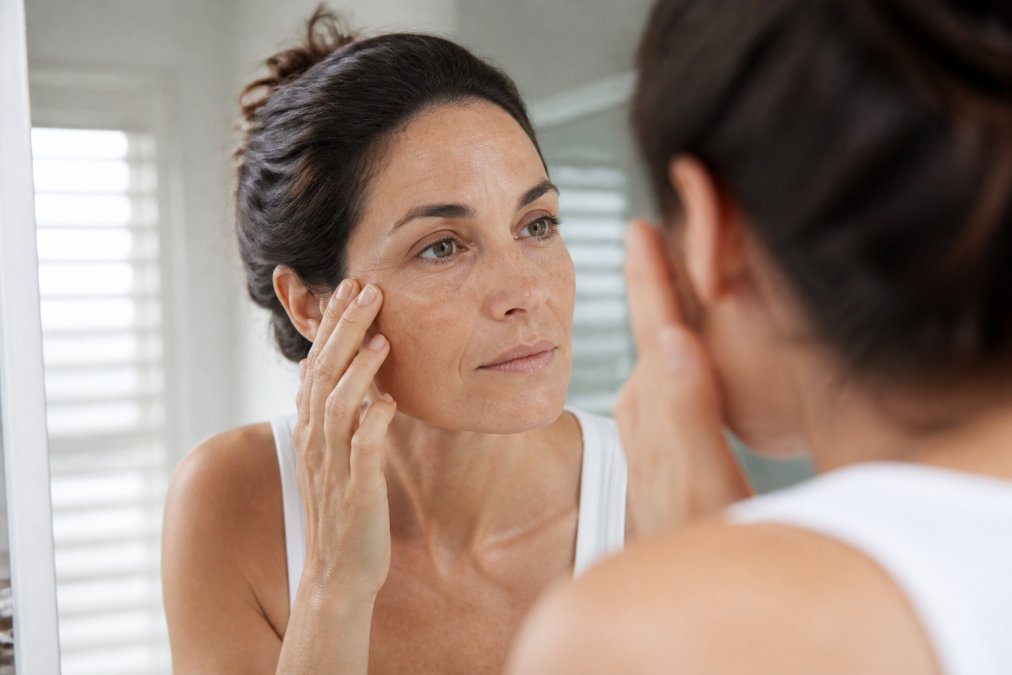
The primary driver of a slower renewal process is age. When you are younger, the cycle is rapid, but as you age, the time it takes for new cells to reach the surface lengthens considerably. Beyond age, chronic stress, insufficient sleep, and a diet lacking in essential nutrients can further diminish the skin's ability to regenerate. Understanding this slowdown is the first step toward choosing a routine that actively supports the skin's own biology rather than fighting against it.
Skin Cell Turnover Cycle Explained: The 28-Day Timeline
Skin cell turnover is the process by which the skin replaces itself, and it follows a predictable timeline that changes as we age. In younger adults, the entire journey from basal layer to the stratum corneum takes roughly 28 days, but this period can extend to 45-60 days in mature skin, leading to a duller, rougher complexion (source: Dermal Institute on skin cell turnover).
As the cycle slows, dead skin cells accumulate on the surface instead of shedding efficiently. This build-up can cause pore congestion, making the skin look tired and amplifying the appearance of fine lines. A consistent skin renewal routine aims to gently accelerate this process. By supporting cellular regeneration through targeted ingredients, you help the skin shed this dull layer and reveal the fresher, more glowing skin beneath.
How to Repair Damaged Skin Barrier Before Renewal
Before you can accelerate renewal, you must first ensure the skin barrier is intact, as a compromised barrier cannot effectively retain moisture or protect against irritants. The barrier is the epidermis' outermost layer, and when it is damaged, it triggers inflammation, which actually slows down the renewal process further.
To repair a damaged skin barrier, focus on hydration and ceramide-rich formulations that restore lipid balance. A common mistake is introducing aggressive exfoliants or active ingredients like retinol too early, which exacerbates irritation. Instead, a gentle cleanser paired with a nourishing moisturizer helps to calm the skin and restore its pH balance. Once the barrier feels resilient and non-reactive, you can safely introduce ingredients designed to boost skin renewal. This foundational step is critical; skipping it means any renewal efforts will be undermined by ongoing inflammation.
Your Natural Renewal Skin Care Routine: Step by Step
A natural renewal skin care routine is a structured daily practice that pairs protective ingredients in the morning with reparative ones at night. The goal is not to overload the skin with products, but to provide consistent, targeted support that aligns with the skin's circadian rhythms. Below is a step-by-step framework that prioritises barrier health while promoting cellular regeneration.
Morning Routine: Protection and Hydration
The morning routine is your defence against environmental stressors and transepidermal water loss throughout the day. The emphasis here is on antioxidants and UV protection, as daylight hours are when oxidative stress peaks.
- Cleanse Gently: Start with a cream or milk cleanser to remove overnight sebum and product residue without stripping the acid mantle. Avoid hot water and harsh sulfates like sodium lauryl sulfate, which can disrupt barrier lipids. If your skin feels tight after cleansing, your cleanser is too aggressive.
- Apply a Hydrating Serum (While Skin Is Damp): Apply a lightweight serum containing antioxidants such as vitamin C (L-ascorbic acid at 10-15% concentration) or niacinamide (at 2-5%) to neutralise free radicals generated by UV exposure. Applying to damp skin improves humectant absorption by up to 20%.
- Moisturise: Lock in hydration with a barrier-supporting moisturiser containing ceramides, squalane, or glycerin. For oily skin types, a gel-cream suffices; for dry or mature skin, a richer emulsion provides more occlusive support.
- Protect with SPF 50+: Finish with a broad-spectrum sunscreen of at least SPF 50, applied as the final step. In Australia's high-UV environment, this is non-negotiable. Apply approximately 1/4 teaspoon to the face and neck, and reapply every two hours if outdoors. UV exposure is the single greatest accelerator of skin ageing, degrading collagen and impairing the skin's natural renewal cycle.
Evening Routine: Repair and Regeneration
Night-time is when skin cell turnover peaks, making your evening routine the most critical phase for renewal. Between 11pm and 4am, skin blood flow increases and cell mitosis accelerates, meaning active ingredients applied at night have enhanced bioavailability.
- Pre-cleanse (if wearing makeup or SPF): Use a cleansing balm or oil to dissolve water-resistant sunscreen and makeup without harsh rubbing. Massage gently for 30-60 seconds, then emulsify with lukewarm water.
- Double Cleanse: Follow with your gentle water-based cleanser to remove any residual impurities and prepare the skin for subsequent layers. This two-step approach prevents pore congestion without over-stripping.
- Apply a Repair Serum: This is where copper peptides shine. A serum with copper peptides (GHK-Cu at 0.5-1% concentration) supports collagen production and skin renewal while you sleep. Apply 3-4 drops to damp skin and allow 60 seconds for absorption before the next layer.
- Seal with a Night Cream: A richer moisturiser containing peptides, ceramides, and fatty acids helps to restore the skin barrier overnight. The occlusive nature of night creams reduces overnight water loss by up to 30%, ensuring you wake up with a smoother, more hydrated complexion.
Weekly Additions: Exfoliation and Masks
Beyond your daily routine, incorporate exfoliation 1-2 times per week to remove the build-up of dead skin cells that slows renewal. Choose a gentle chemical exfoliant containing 5-10% lactic acid or 2% salicylic acid (for congestion) rather than physical scrubs, which create micro-tears in the barrier. Apply after cleansing, leave for 5-10 minutes, then rinse and continue with your repair serum.

Application Order and Timing
A general rule is to apply products from thinnest to thickest consistency. Wait 60-90 seconds between layers to allow penetration. If introducing a new active ingredient, patch test behind the ear for 48 hours first, then introduce it every third night for two weeks before increasing frequency. This minimises the risk of barrier disruption.
Benefits of Copper Peptides for Skin Renewal
Copper peptides, specifically the tripeptide GHK-Cu, are among the most researched ingredients for supporting skin renewal and repair. First isolated from human plasma in 1973 by Dr. Loren Pickart, GHK-Cu is a naturally occurring copper-binding peptide that declines significantly with age, levels in a 60-year-old are roughly 40% of those found in a 20-year-old (PubMed). This decline parallels the slowing of skin cell turnover, making copper peptide supplementation a logical intervention for mature skin.
The Mechanism: How Copper Peptides Work
GHK-Cu functions as a signalling molecule rather than a direct stimulant. When applied topically, it binds to cell surface receptors and triggers a cascade of gene expression changes. Research demonstrates that GHK-Cu upregulates over 4,000 genes, including those responsible for collagen synthesis, elastin production, and glycosaminoglycan formation (the building blocks of skin plumpness) (PubMed). Simultaneously, it downregulates genes associated with inflammation and matrix metalloproteinases (MMPs), the enzymes that break down collagen in response to UV exposure and ageing.
This dual action distinguishes copper peptides from other actives:
- Retinol accelerates cell turnover but can cause irritation and photosensitivity during the adjustment period.
- Vitamin C provides antioxidant protection and supports collagen cross-linking but is unstable and poorly absorbed in some formulations.
- Copper peptides offer a gentler, multi-pathway approach that simultaneously supports barrier function, reduces inflammation, and signals new collagen production, making them suitable for sensitive and mature skin types.
Clinical Evidence and Visible Outcomes
Clinical studies on GHK-Cu have demonstrated measurable improvements in skin elasticity, firmness, and fine line depth after 4-12 weeks of consistent use. Unlike retinol, copper peptides do not cause a 'purging' phase or initial flaking, which improves compliance.
Synergy with Other Ingredients
Copper peptides work well alongside hyaluronic acid (for hydration) and niacinamide (for barrier support). However, avoid combining them with direct acids (such as glycolic or salicylic acid) in the same layer, as low pH environments can destabilise the peptide bond. If using both, apply acids in the morning and copper peptides in the evening, or alternate nights.
Navigating the 'Natural' Label
Not all copper peptide products are created equal. The concentration of GHK-Cu matters, many commercial products contain less than 0.1%, which is unlikely to produce visible results. Look for products that specify the peptide form (GHK-Cu, not just 'copper' or 'peptide complex') and disclose concentration. Pepcare Lab formulates its Face Serum and Barrier Cream with 1% copper peptides, providing a science-led approach to natural renewal skin care that supports the skin's repair processes without irritation.
Lifestyle Habits That Support Cellular Regeneration
Topical products can only do so much; cellular regeneration is heavily influenced by internal factors. Diet plays a pivotal role, as the skin requires specific nutrients to build new cells. A diet rich in antioxidants, healthy fats, and protein provides the raw materials for collagen production and cell membrane health.
Sleep is another non-negotiable factor. During deep sleep, the body releases growth hormone, which is essential for tissue repair and skin cell turnover. Chronic sleep deprivation elevates cortisol, a stress hormone that breaks down collagen and impairs the skin barrier. Hydration also matters, as even mild dehydration makes the skin look duller and more prone to fine lines.
Common Mistakes That Disrupt Natural Skin Renewal
Even with the best products, certain habits can sabotage your skin's renewal cycle. The most common error is over-exfoliation. While exfoliation is necessary to remove dead cells, doing it too frequently strips the skin barrier, leading to redness and increased sensitivity.
Another frequent mistake is skipping sunscreen. UV exposure generates free radicals that damage collagen and elastin, directly counteracting any renewal efforts. Additionally, many people switch products too frequently, never giving an active ingredient enough time to work. Most evidence-based skincare requires consistent use over 8-12 weeks to show visible results. Patience and consistency are more valuable than any single product.
Final Thoughts on Building Your Renewal Routine
Building an effective natural renewal skin care routine is about working with your skin's biology, not against it. This means prioritizing barrier repair, protecting against UV damage, and using science-backed ingredients like copper peptides to signal your skin to regenerate.
The challenge for many is finding a routine that is both effective and simple enough to maintain. Most Australians with sensitive skin find that minimalist approaches reduce the risk of irritation while delivering consistent results. Pepcare Lab addresses this with a simplified three-step routine powered by Copper Peptides (GHK-Cu), designed to support skin barrier function and encourage natural renewal without a cabinet full of products. Our transparent ingredients and sensitive-skin-friendly formulations make it easier to commit to the long-term consistency your skin needs. Get started with Pepcare Lab and give your skin the science-led support it deserves.

Frequently Asked Questions
How long does it take to see results from a natural skin renewal routine?
A full skin cell turnover cycle takes about 28 days in younger adults, but the process slows with age, stretching to 40-60 days for those over 40. Most people notice improved texture and hydration within 2-3 weeks of consistent use. Visible changes in fine lines and firmness typically appear after 8-12 weeks, which is roughly three full turnover cycles. Stick with your routine for at least three months before judging results.
What ingredients help with natural skin cell turnover?
Copper peptides are among the most effective ingredients for supporting natural renewal because they signal skin cells to produce more collagen and elastin. Niacinamide supports barrier repair, while hyaluronic acid keeps new skin cells hydrated. Gentle exfoliation with lactic acid or fruit enzymes helps remove dead cells without disrupting the barrier. Always pair renewal-focused ingredients with a moisturiser and daily SPF to protect freshly exposed skin.
How does a damaged skin barrier affect natural renewal?
A damaged skin barrier cannot retain water or protect against environmental stress, which slows cellular regeneration. When the barrier is compromised, skin produces excess oil to compensate, leading to congestion and breakouts that interrupt the renewal cycle. Repairing the barrier first with ceramides, squalane and peptides restores the conditions needed for healthy cell turnover. This is why barrier repair should always come before active renewal ingredients.
Can peptides assist in a natural skin renewal routine?
Yes, copper peptides (GHK-Cu) are particularly well-suited to natural renewal routines. They signal the skin to produce collagen and elastin, support the skin barrier, and have antioxidant properties that protect against free radical damage. Unlike harsh actives, peptides work with your skin's own biology rather than forcing rapid exfoliation. For sensitive skin, a 1% copper peptide serum applied morning and night offers a gentle yet effective approach to supporting renewal.
Shop our Bestsellers at Pepcare Lab to build your complete face and scalp routine, featuring the Face Serum and Barrier Cream designed to support your skin barrier and strengthen hair appearance.
This article was written using GrandRanker