
Table of Contents
- Why Peptide Results Depend on More Than the Product
-
Realistic Peptide Results Timeline: What to Expect Week by Week
- Weeks 1-2: The Adjustment Phase
- Weeks 3-6: Early Visible Changes
- Weeks 8-12: Measurable Improvements
- Beyond Topical: How Different Peptide Classes Behave
- Why the 'Start Date' Is Only Half the Story: The Plateau Phase
- The Difference Between Acute and Chronic Condition Response
- How to Measure Progress Objectively (Not Just by Feel)
- When to Reassess Your Protocol
- Copper Peptide Benefits for Skin: When Collagen Synthesis Kicks In
- How to Use Copper Peptides Correctly for Faster Results
- Signs of Skin Barrier Repair: Objective vs Subjective Changes
- Factors That Slow or Speed Up Your Peptide Timeline
- Common Mistakes That Delay Peptide Results
- Conclusion: Patience, Consistency and the 90-Day Benchmark
- Frequently Asked Questions
Last Updated: September 9, 2026
Why Peptide Results Depend on More Than the Product
Peptide therapy uses short chains of amino acids to signal biological processes like collagen synthesis or cellular repair. The timeline for peptide results depends less on the product and more on your baseline health, consistency, and the specific peptide. At Pepcare Lab, the single biggest factor separating those who see change from those who give up is unrealistic expectations about speed.

Peptides work by mimicking natural signalling molecules, supporting gradual physiological response rather than forcing immediate change. Expecting a topical peptide to behave like a pharmaceutical drug will disappoint; supporting your skin barrier over roughly 90 days yields results that last.
Realistic Peptide Results Timeline: What to Expect Week by Week
The realistic peptide results timeline follows a predictable curve: adjustment, early visible change, then measurable improvement compounding from week eight. Most notice first genuine signs between weeks three and six, with significant outcomes around the 90-day mark.
Weeks 1-2: The Adjustment Phase
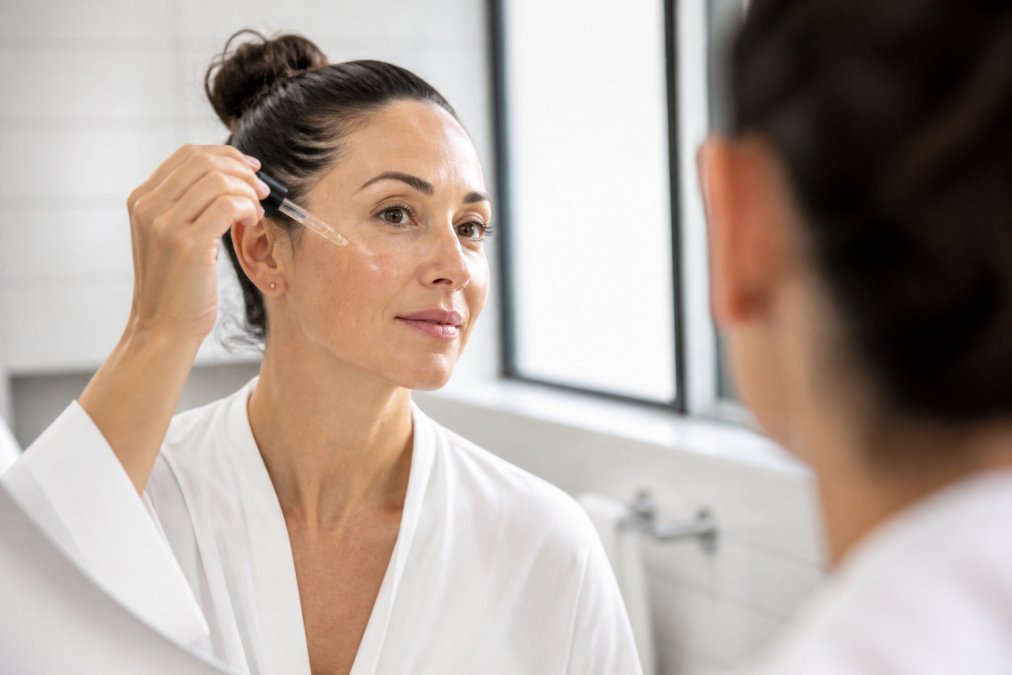
During the first fortnight, your skin is acclimatising, not rebuilding. Increased hydration or subtle plumping is mostly cosmetic; mild purging or tightness is normal and does not mean the product is failing.
The key is dosage consistency, apply the same amount at the same time daily. Skipping applications because you cannot see a difference resets your progress.
Weeks 3-6: Early Visible Changes
This is when objective changes appear: fine lines soften, elasticity improves, tone evens. For hair or scalp serums, early signs include reduced shedding rather than new growth.
These changes are subtle. Take a weekly photo in consistent lighting to compare objectively.
Weeks 8-12: Measurable Improvements
By week eight, collagen synthesis has accumulated. Most users report firmer skin, improved elasticity, and visible reduction in fine lines, alongside measurable barrier repair: less transepidermal water loss, fewer dry patches, and reduced sensitivity.
Beyond Topical: How Different Peptide Classes Behave
This timeline applies to topical copper peptides. Injectable peptides produce faster systemic effects but carry different risks and require more rigorous monitoring.
- BPC-157 (body protection compound): Often used for tendon, ligament, and gut repair. Most practitioners report that users notice reduced pain or improved mobility within two to four weeks, but structural healing (e.g., tendon remodelling) takes eight to twelve weeks. The peptide is typically injected near the injury site or taken orally, and its effects are highly dose-dependent.
- TB-500 (thymosin beta-4): Used for muscle recovery and inflammation reduction. Early effects on soreness and recovery time can appear within one to two weeks, but the full regenerative effect on muscle tissue requires four to six weeks of consistent use.
- GLP-1 receptor agonists (e.g., semaglutide, tirzepatide): These are not strictly peptides but peptide-based hormones. Appetite suppression begins within days, but meaningful weight loss (5% or more of body weight) typically requires eight to twelve weeks at a therapeutic dose.
- GHK-Cu injectable: When injected rather than applied topically, copper peptides act systemically. Users often report improved wound healing within two weeks, but skin density changes still require eight to twelve weeks.
Why the 'Start Date' Is Only Half the Story: The Plateau Phase
Few guides address the plateau phase, a predictable part of the peptide response curve.
Users often see steady improvement from weeks three to eight, then gains slow between weeks ten and fourteen. This does not mean the peptide stopped working; it usually means one of three things:
- Receptor downregulation: Prolonged exposure to a peptide can reduce receptor sensitivity. The body adapts to the signal, and the response diminishes.
- Tissue saturation: For topical use, the skin may have reached its current capacity for collagen synthesis. Further improvement requires a break, not more product.
- Lifestyle interference: Sleep, stress, or nutrition deficits can cap the results you see, regardless of peptide dose.
Many practitioners recommend a four-week break after eight to twelve weeks of continuous use, followed by re-introduction at the same or slightly lower dose, an approach increasingly used in aesthetic medicine.
The Difference Between Acute and Chronic Condition Response
- Acute conditions (e.g., a recent injury, post-surgical recovery, or a sudden flare of inflammation) often respond faster because the tissue is already in a repair state. Users may notice improvement within days to two weeks.
- Chronic conditions (e.g., long-standing tendinopathy, deep wrinkles, or years of gut inflammation) require longer treatment durations. The tissue has adapted to a damaged state, and reversing that takes time. For chronic skin damage, twelve weeks is often the minimum, with some protocols extending to six months.
If you are treating a chronic condition and see no change at week two, that is normal. If treating an acute injury with no change at week two, discuss it with your healthcare provider.
How to Measure Progress Objectively (Not Just by Feel)
Relying on subjective feelings to judge results is a common mistake. The placebo and nocebo effects are real.
A practical tracking protocol includes:
- Weekly photos: Use consistent lighting, angle, and distance. Compare photos side-by-side rather than relying on memory.
- Skin elasticity test: Gently pinch and release the skin on your cheek. Time how long it takes to snap back. Improvements in elasticity are measurable within weeks.
- Symptom logs: Rate pain, sensitivity, or discomfort on a scale of one to ten daily. A downward trend over four weeks is a strong signal that repair is underway.
- Blood markers (for injectable peptides): If you are using systemic peptides, ask your healthcare provider about relevant blood tests. For example, markers of inflammation (CRP, ESR) or growth factors (IGF-1) can provide objective data on whether the peptide is working.
When to Reassess Your Protocol
If you have been consistent for eight weeks with no measurable change, reassess rather than push through. Common reasons include:
- Incorrect storage (peptides degrade in heat or light)
- Incompatible concurrent medications
- Underlying health conditions that blunt the response
- The wrong peptide for your specific goal
Copper Peptide Benefits for Skin: When Collagen Synthesis Kicks In
Copper peptide benefits for skin are well documented: GHK-Cu is a naturally occurring copper complex your body uses for tissue repair. Applied topically, it signals fibroblasts to produce collagen and elastin and supports cellular repair.
The timeline for these effects is slower than most people want. Collagen synthesis is not an overnight event; it is a gradual rebuilding process that requires sustained signalling over multiple skin cycles. Research into copper peptide research and skin remodelling indicates that measurable changes in skin density typically require consistent application over eight to twelve weeks.
What you can expect at each stage:
- Weeks 1-4: Improved hydration and skin barrier function; reduced tightness
- Weeks 4-8: Softer fine lines, improved texture, early improvement in skin elasticity
- Weeks 8-12: Firmer appearance, more even tone, visible reduction in deeper lines
Copper peptides are generally well tolerated for sensitive skin because they support the barrier rather than disrupting it. The Pepcare Lab Face Serum pairs 1% Copper Peptides with niacinamide and hyaluronic acid to calm while repairing.
How to Use Copper Peptides Correctly for Faster Results
Using copper peptides correctly is the difference between seeing change at week six and wondering at week twelve why nothing happened.
Apply to clean, damp skin, a damp surface improves absorption. Use two to three drops for the entire face; more product does not equal faster results and increases irritation risk.
Follow with a moisturiser to seal in the peptides. The Pepcare Lab Barrier Cream works well because squalane and niacinamide support the barrier while peptides penetrate.

Be consistent, the therapeutic window requires daily application. Missing several days resets the signalling cascade and delays your peptide results timeline.
If you have very sensitive skin, start with every second day for the first week, then move to daily application to reduce reaction risk.
Signs of Skin Barrier Repair: Objective vs Subjective Changes
Signs of skin barrier repair fall into two categories: objective measurable changes and subjective felt changes. Understanding the difference prevents dismissing real progress or celebrating false starts.
Subjective improvements often arrive first: less stinging, reduced redness, or comfort rather than tightness. These are genuine indicators the barrier is strengthening, though hard to quantify.
Objective changes take longer but are more reliable: reduced transepidermal water loss, fewer dry patches, less visible inflammation, and improved elasticity.
Rate sensitivity, dryness, and elasticity weekly on a scale of one to ten. Improvement in all three by week six signals repair is underway, even if your mirror has not caught up.
Factors That Slow or Speed Up Your Peptide Timeline
Several variables influence how quickly you see peptide results; understanding them helps set realistic expectations.
Consistency and dosage
Patient compliance is the single largest factor. Sporadic use interrupts the sustained signalling required; missing three days delays your timeline by roughly the same period.
Using too little never reaches a therapeutic window; too much wastes product and risks irritation. Follow the label and do not improvise.
Storage, administration and cycling
Heat, light, and air degrade peptide chains. Store serum in a cool, dark place with the cap sealed; degraded peptides will not produce results regardless of consistency.
Most reconstituted injectable peptides are stable for only 24 to 72 hours refrigerated. Freezing is not recommended, as ice crystals damage structure. Discard any cloudy solution or one containing particulates.
Some practitioners recommend a break after several months to prevent plateauing. Many users find a four-week break after three months helps maintain responsiveness.
Your baseline health also matters. Systemic factors such as poor sleep, chronic stress, and inadequate protein intake all affect collagen synthesis. Guidance on collagen synthesis and nutrition confirms that the body requires adequate nutrients to build new tissue. Topical peptides support the process, but they cannot manufacture collagen from nothing.
Drug-Peptide Interactions: The Overlooked Variable
Common medications can be the difference between visible results at week six and no response at week twelve. The mechanisms fall into three categories:
1. Medications that blunt the inflammatory response. Peptides like BPC-157 and GHK-Cu rely partly on a controlled inflammatory signal. High-dose corticosteroids suppress this cascade, so signalling may not translate into repair, expect a slower timeline and discuss with your provider.
2. Medications that affect blood flow or absorption. Beta-blockers and certain blood pressure medications reduce peripheral circulation, meaning reduced delivery for topical peptides or slower systemic distribution for injectables. The effect is usually modest but can delay results by weeks.
3. Medications that compete for metabolic pathways. Insulin interacts with GLP-1 receptor agonists, requiring careful coordination to avoid hypoglycaemia. Anticoagulants can increase bleeding risk at injection sites, leading users to skip doses.
The Role of Concurrent Supplementation
- Vitamin C: Topically, high concentrations of vitamin C can oxidise copper peptides, reducing their stability. Separate them by at least a few hours. Orally, vitamin C supports collagen synthesis and may complement peptide therapy.
- Zinc: Oral zinc competes with copper for absorption in the gut. If you are using copper peptides systemically, high-dose zinc supplements may reduce copper availability. This is rarely an issue with topical use.
- Collagen peptides: Oral collagen supplements provide the raw amino acid building blocks that topical copper peptides signal the skin to use. Combining both is a common strategy, though the evidence for synergy is still emerging.
Lifestyle Factors That Compound or Cap Results
Three lifestyle factors have an outsized effect on peptide timelines:
Sleep. Growth hormone is released primarily during deep sleep. Sleeping fewer than six hours suppresses the pathways peptide therapy activates; improving to seven to eight hours accelerates results by two to three weeks.
Protein intake. Collagen synthesis requires adequate amino acids. Users consuming less than 1.2 grams per kilogram of body weight daily see slower results.
Chronic stress. Cortisol is catabolic and blunts anabolic signals. Under chronic stress, your peptide timeline may double.
When to Consult a Healthcare Provider About Results
If you have been consistent for eight weeks with no measurable change, consult a healthcare provider, especially for injectable peptides, as non-response may indicate an underlying condition.
A provider can check medication interactions, review dosing, and suggest alternative peptides. Do not wait until week twelve, early adjustment saves weeks of wasted effort.
Common Mistakes That Delay Peptide Results
Most people who conclude peptides do not work have made one of several identifiable errors.
Skipping the moisturiser. Peptides need occlusion. Applying serum and walking away allows evaporation before penetration, always follow with a barrier cream.
Mixing incompatible ingredients. Copper peptides can oxidise in the presence of strong acids or high vitamin C concentrations. Separate these products by at least a few hours.
Expecting overnight results. This is the most common mistake. Checking your mirror every morning after day three convinces you the product failed; the physiological response does not work that fast.
Storing products poorly. Leaving peptides in a hot bathroom or direct sunlight degrades the formula. The Australian regulatory guidance on cosmetic stability requires manufacturers to ensure stability under reasonable conditions, but you still need to store products sensibly.
Using too much product. More drops means more waste and a higher chance of pilling or irritation, not more collagen.
Conclusion: Patience, Consistency and the 90-Day Benchmark
Meaningful peptide results take roughly 90 days of consistent, correct use. Early signs can appear by week three, but structural improvements, firmer skin, softer fine lines, a stronger barrier, require the full duration.
Seeing nothing at week two is normal. Seeing nothing at week eight means checking consistency, storage, and application steps.
Choose a formulation you can stick with. Pepcare Lab designs products for sensitive skin with simple three-step routines. The Hair and Scalp Duo combines a 2% Copper Peptide serum with a scalp brush, while the Face Serum and Barrier Cream cover skin barrier fundamentals.

Set expectations to 90 days, track progress weekly, and let the peptides work. Get started with Pepcare Lab for consistent, science-led support.
Frequently Asked Questions
How can I tell if my copper peptide serum is working?
Look for changes in skin texture and hydration first. Between weeks 2 and 4, skin often feels smoother and less tight. By weeks 8 to 12, you may notice improved skin elasticity and a reduction in fine lines. For hair, reduced shedding and a healthier scalp appearance are early indicators. Take photos in consistent lighting every two weeks so you can compare objectively rather than relying on memory.
How long should I use a peptide product before seeing changes?
Most people need 8 to 12 weeks of consistent daily use before visible changes appear. Copper peptides like GHK-Cu work by supporting collagen synthesis and cellular repair, processes that take time. Some users notice subtle improvements in hydration within 2 weeks, but structural changes to skin elasticity and fine lines require at least two full skin cycles, roughly 8 to 12 weeks.
Are there factors that influence how quickly peptides show results?
Yes. Your baseline health, age, and the specific condition being treated all affect your timeline. Acute concerns like post-procedure recovery may respond faster than chronic issues such as deep wrinkles. Consistency matters more than anything: skipping applications resets your progress. Storage also plays a role. Keep peptide products cool and away from direct sunlight to maintain bioavailability and potency.
Can I combine copper peptides with other active ingredients?
You can, but timing matters. Avoid applying copper peptides in the same routine as strong vitamin C or AHAs/BHAs, as these can oxidise or destabilise the peptide. Use vitamin C in the morning and copper peptides at night. Niacinamide and hyaluronic acid pair well with copper peptides and support skin barrier repair without interfering with peptide activity.