
Table of Contents
- Serum vs Powder: Quick Comparison
- GHK-Cu and Copper Peptide Basics
- How to Use Copper Peptides on the Scalp
- GHK-Cu Powder Dilution for Scalp Application
- Copper Peptide Serum Application Frequency and Timing
- Copper Peptides for Hair Growth: What the Evidence Shows
- Scalp Health, Follicle Stimulation, and Long-Term Results
- Which Option Works Better for You
- Frequently Asked Questions
Last Updated: October 8, 2026
Serum vs Powder: Quick Comparison
When choosing in the comparison of ghk-cu serum vs copper peptide powder for scalp health, the decision comes down to convenience, cost, and how much control you want over your formulation. A ready-made serum offers simplicity and consistent dosing. Copper peptide powder gives you flexibility but requires careful dilution and mixing. Both contain the same active ingredient, GHK-Cu (Copper Tripeptide-1), but they work differently in practice.
Most people starting their peptide journey prefer the serum format because it eliminates guesswork. The powder attracts DIY enthusiasts who want to customize their application or blend peptides into existing products. Neither is universally "better", it depends on your routine, budget, and comfort with formulation.
Here's what matters most: serum offers a stable, optimised concentration. Powder costs less per dose but demands more attention to mixing ratios, storage, and shelf life. If you're serious about scalp health and hair appearance, understanding these trade-offs will help you choose the format that actually fits your life.
| Factor | GHK-Cu Serum | Copper Peptide Powder |
|---|---|---|
| Convenience | Ready to apply, no mixing | Requires dilution and measurement |
| Consistency | Standardised concentration | Depends on your mixing accuracy |
| Cost per dose | Higher upfront | Lower per gram, but requires carrier oils |
| Application time | 2-3 minutes | 5-10 minutes (including mixing) |
| Shelf life | 12-18 months | 24+ months if stored properly |
| Best for | Busy routines, consistency seekers | Budget-conscious, customisation enthusiasts |
GHK-Cu and Copper Peptide Basics
GHK-Cu is a naturally occurring copper peptide composed of three amino acids (glycine, histidine, and lysine) bonded to copper. This tripeptide exists in small amounts in human plasma and has been studied for its role in supporting collagen production, skin repair, and inflammation management. The compound is also known as Copper Tripeptide-1 in cosmetic ingredient lists.
When applied topically to the scalp, GHK-Cu works by signalling your skin cells to support healthier follicle function and scalp condition. It doesn't "regrow hair" in the way a pharmaceutical would, instead, it creates an environment where existing hair can appear stronger and healthier. This distinction matters because marketing often blurs the line between supporting hair health and promising hair regrowth.
Copper peptide powder and GHK-Cu serum contain the same active molecule, but they differ in delivery. The powder is the raw ingredient in its most concentrated form. A serum suspends that powder in a carrier base (typically water, glycerin, or oil) with stabilisers and complementary ingredients like niacinamide or biotin.
The evidence for GHK-Cu's benefits on hair follicles is growing but remains limited to smaller studies and anecdotal reports rather than large-scale clinical trials. Individual results vary significantly. This is why choosing the right delivery method matters, consistency in application often determines whether you'll stick with treatment long enough to notice changes.
How to Use Copper Peptides on the Scalp
Copper peptides work best when applied directly to clean, dry scalp. Part your hair in sections and apply the serum or diluted powder solution with a dropper or applicator bottle, massaging gently into the scalp. Avoid applying to wet hair, which dilutes the peptide concentration and reduces absorption.
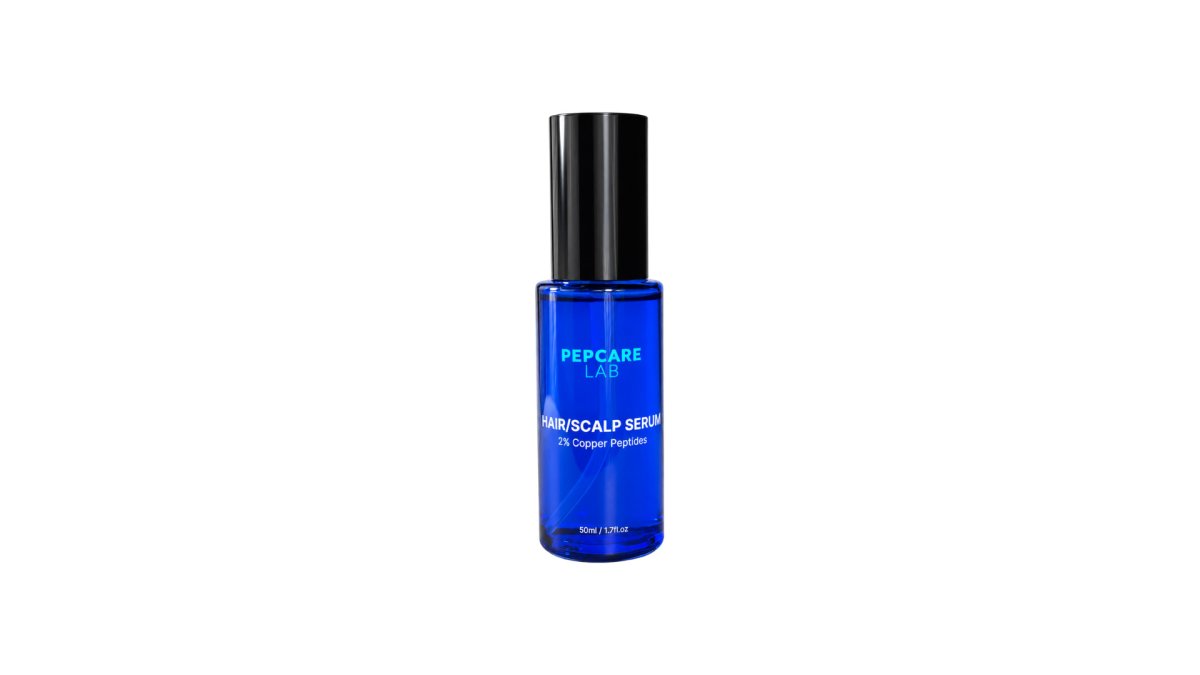
The Pepcare Lab Hair/Scalp Serum is designed for this exact routine, it's lightweight, non-greasy, and formulated to absorb quickly without leaving residue. Apply 5-10 drops per application, depending on scalp size and hair density. Massage for 30-60 seconds to promote blood flow and even distribution.

If you're using copper peptide powder, dilute it properly in a carrier oil (jojoba, argan, or squalane work well) before applying. A common ratio is 1 gram of powder per 30 millilitres of carrier oil, though this varies based on your desired concentration. Undiluted powder is too concentrated and can irritate sensitive scalp skin.
Consistency matters more than frequency. Daily application for at least 8-12 weeks is the minimum timeframe to assess whether copper peptides are supporting your scalp health. Sporadic use won't deliver noticeable results because the peptides need sustained exposure to influence follicle function and scalp condition.
GHK-Cu Powder Dilution for Scalp Application
Diluting copper peptide powder correctly is the most critical step if you choose the powder route. Undiluted powder is too potent and can cause irritation, redness, or sensitivity, especially on scalp skin, which is more delicate than facial skin. The goal is to reach an effective concentration without overwhelming your scalp's tolerance.
Start with a 1:30 ratio (1 gram powder to 30 millilitres carrier oil). This creates a 3.3% concentration, which is strong enough to be effective but mild enough for daily use. If you want a lighter concentration, try 1:50 (2% solution).
Measure your powder on a digital scale, eyeballing dosages leads to inconsistent results and potential irritation. Mix thoroughly in a dark glass bottle to prevent oxidation. Shake before every application because peptides don't dissolve completely in oil; they suspend. Store in a cool, dark place away from direct sunlight. Properly mixed powder solutions remain stable for 6-8 weeks when stored correctly.
The carrier oil you choose affects how the solution feels and absorbs. Jojoba oil is lightweight and closest to scalp sebum. Argan oil adds nourishment but feels slightly heavier. Squalane absorbs quickly and doesn't leave a greasy residue. Avoid coconut oil for scalp application, it can build up and clog follicles. Test your chosen carrier on a small scalp patch first to ensure it doesn't irritate or cause flaking.
Copper Peptide Serum Application Frequency and Timing
Most copper peptide serums, including the Pepcare Lab Hair/Scalp Serum, are designed for daily use. Applying once per day is the standard recommendation because it maintains consistent peptide exposure without overwhelming your scalp. Some people experiment with twice-daily application, but there's no evidence that doubling frequency accelerates results, and it increases the risk of irritation or product buildup.

Timing your application strategically improves results. Nighttime application is often preferred because you're not immediately exposing your scalp to heat styling, sweat, or environmental stress. If you prefer morning application, apply before showering if possible, allowing at least 10-15 minutes for absorption before water contact.
If you're using other scalp treatments, like medicated shampoos or growth-stimulating products, space them out. Apply your copper peptide serum at night and other treatments in the morning, or use them on alternate days. Layering too many actives on your scalp can cause irritation and makes it impossible to know which product is responsible for any reactions.
Missing occasional applications won't derail your progress, but consistency is what drives results. If you forget a day, simply resume your routine the next day. Don't double up on application to "catch up", this increases irritation risk without providing extra benefit. The peptides work through sustained, steady exposure, not through concentrated doses.
Copper Peptides for Hair Growth: What the Evidence Shows
The evidence for copper peptides supporting hair health is promising but not definitive. Most research focuses on GHK-Cu's role in collagen synthesis and skin repair rather than hair regrowth specifically. Studies examining topical copper peptides on hair follicles are limited, and many rely on small sample sizes or anecdotal reports rather than large randomised controlled trials.
What the research does suggest is that GHK-Cu may support the conditions that healthy hair needs: improved blood flow to the scalp, reduced inflammation, and enhanced collagen production around hair follicles. Some studies indicate that copper peptides can stimulate fibroblast activity, the cells responsible for producing collagen and supporting follicle structure. However, this doesn't directly translate to "regrows hair" in the way minoxidil or finasteride do.
The distinction is important. Copper peptides appear to create a healthier scalp environment, which may help existing hair appear stronger and thicker. They don't reverse pattern baldness or restore follicles that have permanently shut down.
Individual results vary dramatically. This variation likely depends on your genetics, the underlying cause of your hair thinning, scalp condition, and how responsive your follicles are to peptide signalling.
The honest take: copper peptides are worth trying if you're dealing with early-stage thinning or scalp health concerns, but approach them with realistic expectations. They're not a miracle treatment, but they're also not inert.
Scalp Health, Follicle Stimulation, and Long-Term Results
Healthy scalp is the foundation for healthy hair. A clean, well-nourished scalp with good blood flow creates the ideal environment for follicles to function optimally. This is where copper peptides fit into a long-term strategy, they're not a quick fix, but a tool for sustained scalp wellness.
GHK-Cu's role in supporting follicle health appears to involve multiple mechanisms. It may enhance blood flow to the scalp, reducing the local inflammation that contributes to hair thinning. It supports collagen production, which strengthens the dermal structures that anchor hair follicles.
Long-term results depend on consistency and realistic timelines. Visible changes in hair density or thickness typically take longer, often 4-6 months of consistent use. Some people see results sooner; others need 6-8 months. Genetics and individual scalp responsiveness play a major role.
The Pepcare Lab Hair/Scalp Duo combines the serum with a scalp brush, which enhances results by gently exfoliating and improving circulation during application. Regular scalp stimulation through massage or brushing increases peptide absorption and supports the blood flow that follicles need.
Maintenance matters. If you stop using copper peptides, your scalp gradually returns to its baseline condition. The peptides aren't a permanent fix; they're an ongoing treatment. However, many people find that once they've improved their scalp health, they need less frequent application to maintain results, moving from daily use to 3-4 times weekly, for example.
Which Option Works Better for You
In the debate of ghk-cu serum vs copper peptide powder for scalp application, choose the serum if you prioritise convenience, consistency, and proven stability. Ready-made serums eliminate mixing variables and ensure you're applying a standardised concentration every time.
Choose powder if you're budget-conscious, want to customise your concentration, or plan to blend copper peptides into existing products. Powder costs significantly less per gram and lasts longer when stored properly. It's the right choice if you're comfortable measuring, mixing, and troubleshooting formulation issues.
The practical reality: consistency beats optimisation, a serum you use daily outperforms powder you use sporadically.
Consider your scalp sensitivity too. If your scalp is reactive or you're new to active ingredients, start with a ready-made serum at a proven concentration. Serums are formulated with stabilisers and soothing ingredients that reduce irritation risk.
For most people starting their copper peptide journey, the Pepcare Lab Hair/Scalp Serum offers the best balance of efficacy, safety, and convenience. If you're already experienced with DIY skincare formulations and want maximum control, powder makes sense.
Scalp health is the foundation of stronger-looking hair, and copper peptides are one of the most promising tools for supporting that foundation long-term. Whether you choose a serum or powder, consistency matters more than the format itself.
Frequently Asked Questions
Is GHK-Cu serum better than copper peptide powder for the scalp?
Neither is inherently superior, it depends on your needs and skin sensitivity. GHK-Cu serum offers convenience, precise dosing (typically 2% concentration), and immediate scalp absorption without mixing. Copper peptide powder gives you control over dilution strength and cost per application, but requires careful formulation and storage. For sensitive scalps, a pre-formulated serum like the Pepcare Lab Hair/Scalp Serum eliminates formulation risk and irritation from improper mixing.
How do you dilute GHK-Cu powder for scalp use?
Dilute copper peptide powder by mixing it into a carrier base, typically a lightweight serum, hydrosol, or distilled water, at a concentration between 0.5% and 2%. Start low (0.5%) if your scalp is sensitive, then increase gradually. Measure by weight using a precision scale, not estimation. Mix thoroughly and store in a cool, dark, airtight container. Improper dilution can cause irritation or reduce efficacy, so accuracy matters. If formulation feels uncertain, a ready-made serum removes this risk entirely.
How often should you use a copper peptide serum on your scalp?
Most copper peptide serums are designed for daily use. Apply once daily, typically in the evening before bed, to allow absorption without interference from washing or styling. Some people tolerate twice-daily application, but start with once daily to assess how your scalp responds. If irritation develops, reduce frequency to 3-4 times per week. Consistency matters more than frequency, steady, gentle use over weeks supports scalp condition and follicle health better than sporadic heavy application.
Can GHK-Cu help with hair thinning?
GHK-Cu shows promise in supporting scalp health and follicle function through collagen production and anti-inflammatory effects. Research suggests copper peptides may improve scalp condition, blood flow, and the environment around hair follicles, factors that support healthier-looking hair density. GHK-Cu works best as part of a broader scalp health routine, not as a standalone hair-growth treatment. If significant hair loss is ongoing, consult a healthcare provider to rule out underlying conditions.