
Table of Contents
- Why Copper Peptides Trigger Sensitivity Issues
- Copper Peptide Irritation Symptoms and Recognition
- Best Copper Peptide Serum for Sensitive Skin
- How to Repair Skin Barrier with Peptides
- Gentle Alternatives to Copper Peptides for Reactive Skin
- Building a Routine Without Copper Peptides
- Conclusion
Last Updated: August 29, 2026
Why Copper Peptides Trigger Sensitivity Issues
Copper peptides, particularly the GHK-Cu complex, are powerful anti-aging ingredients designed to stimulate collagen synthesis and support skin renewal. Yet for people with reactive skin, these compounds can trigger inflammation, erythema, and barrier dysfunction instead of improvement.
The mechanism centres on cellular signalling intensity. GHK-Cu activates growth factor pathways and increases cell turnover at a rate that healthy skin tolerates but compromised skin cannot. When your skin barrier is weakened, characterised by elevated transepidermal water loss and compromised lipid function, introducing a pro-inflammatory stimulus overwhelms your skin's ability to adapt, resulting in visible irritation rather than improvement.
Concentration matters significantly. Many commercial copper peptide serums contain 1-2% GHK-Cu, which is excessive for sensitive types (peer-reviewed research). Pepcare Lab's formulations use 1% copper peptide concentration in their Face Serum and Barrier Cream, carefully calibrated to minimise irritation risk. However, even this lower concentration can trigger sensitivity in individuals with active dermatitis or compromised barriers.

Formulation stability is critical. Copper peptides are chemically unstable in water-based solutions and can oxidise, generating free radicals over time. Poorly stabilised formulations create additional oxidative stress on sensitive skin, amplifying inflammation. This explains why some people experience worsening symptoms weeks into use, the formulation has degraded, becoming more irritating.
Layering copper peptides with other active ingredients compounds the problem. Combining copper peptides with vitamin A derivatives, azelaic acid, or niacinamide creates cumulative pro-inflammatory signalling that can overwhelm a reactive barrier, triggering the "Copper Uglies", a temporary but distressing phase of heightened sensitivity, flaking, and erythema.
Copper Peptide Irritation Symptoms and Recognition
Copper peptide irritation presents differently depending on your skin's baseline sensitivity and concentration used. Early recognition allows you to adjust before symptoms escalate into prolonged barrier damage.
The most common initial sign is mild erythema appearing 2-4 hours after application (the American Academy of Dermatology). Your skin may feel warm or flushed, particularly on the cheeks and forehead. This persistent redness differs from brief flushing with other actives and often returns with each application.
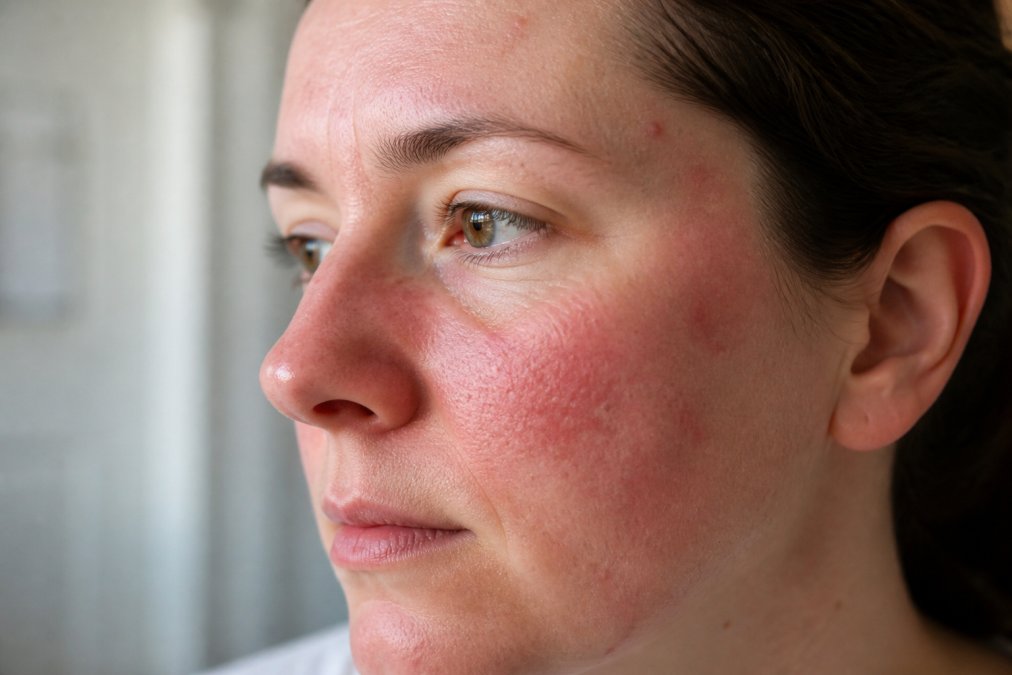
Itching and tightness typically follow within the first week as your skin barrier loses moisture faster than it can be replenished. This manifests as uncomfortable tightness, especially noticeable when you move your face or apply other products.
Flaking and peeling indicate accelerated desquamation beyond what your barrier can manage. You'll see visible flakes, rough patches, and uneven texture rather than healthy exfoliation. The skin may appear dull, suggesting barrier compromise rather than renewal.
Contact dermatitis, characterised by swelling, blistering, or severe burning, requires immediate discontinuation. This is a true allergic response or severe irritant reaction. If you develop hives, facial swelling, or intense burning that doesn't subside within 30 minutes of rinsing, stop use and consult a dermatologist.
The "Copper Uglies" phase occurs typically between days 3-7 of use, involving intensified erythema, flaking, pustules, and general skin distress. Many people interpret this as "purging" and continue use, hoping symptoms will resolve. In reality, this signals your barrier cannot tolerate the ingredient's activation intensity. Continuing use deepens barrier damage and prolongs recovery.
Patch testing is essential before committing to a copper peptide product if you have sensitivity history. Apply a small amount to your inner arm or behind your ear and wait 24-48 hours. This simple step prevents full-face reactions.
Best Copper Peptide Serum for Sensitive Skin
If you've tolerated copper peptides previously or want to try them despite sensitivity concerns, concentration and formulation stability are non-negotiable. The Pepcare Lab Face Serum delivers 1% copper peptides in a stabilised formulation designed for barrier support. At $49.00, it pairs lower-irritation concentration with niacinamide and hyaluronic acid, ingredients that soothe and hydrate rather than further stimulate.

The lightweight texture absorbs quickly without residue, reducing occlusion that can trap heat and intensify irritation. Niacinamide is particularly strategic; it reduces inflammation and supports barrier function, counterbalancing copper peptide stimulation. Hyaluronic acid provides hydration without the heaviness of occlusive oils.
For mild sensitivity, the Pepcare Lab Face Duo ($79.00) combines the Face Serum with the Barrier Cream, creating a two-step routine supporting both hydration and barrier repair. The Barrier Cream's squalane and niacinamide formulation seals in the serum's benefits whilst providing lipid support that compromised barriers need. Together, these products create a synergistic effect.
The Complete Collection ($129.00) extends this approach to include scalp health. The Hair & Scalp Serum uses 2% copper peptides alongside biotin and botanical extracts, addressing hair thinning without requiring additional standalone products. This bundled approach simplifies your routine, reducing the risk of layering too many actives simultaneously.
However, even these carefully formulated products may not suit everyone. If you've experienced severe reactions to copper peptides previously, or if your skin barrier is currently compromised by eczema or rosacea, alternatives are a safer starting point.
How to Repair Skin Barrier with Peptides
Repairing a compromised skin barrier requires reducing inflammation, restoring lipid function, and supporting dermal remodelling without introducing new irritants. Peptides play a crucial role, but not all peptides suit sensitive skin equally.
Your epidermis naturally produces ceramides, cholesterol, and free fatty acids that maintain the lipid barrier. When damaged, these lipids deplete faster than your skin can replace them. Peptides work by signalling fibroblasts to increase production of these critical lipids, teaching your skin to heal itself rather than relying on external occlusion alone.
Start with a peptide-focused serum applied to clean, damp skin. Damp skin allows better penetration than completely dry skin. Apply 2-3 drops and allow 60 seconds for absorption before proceeding, preventing the "pilling" that occurs when you layer products too quickly.
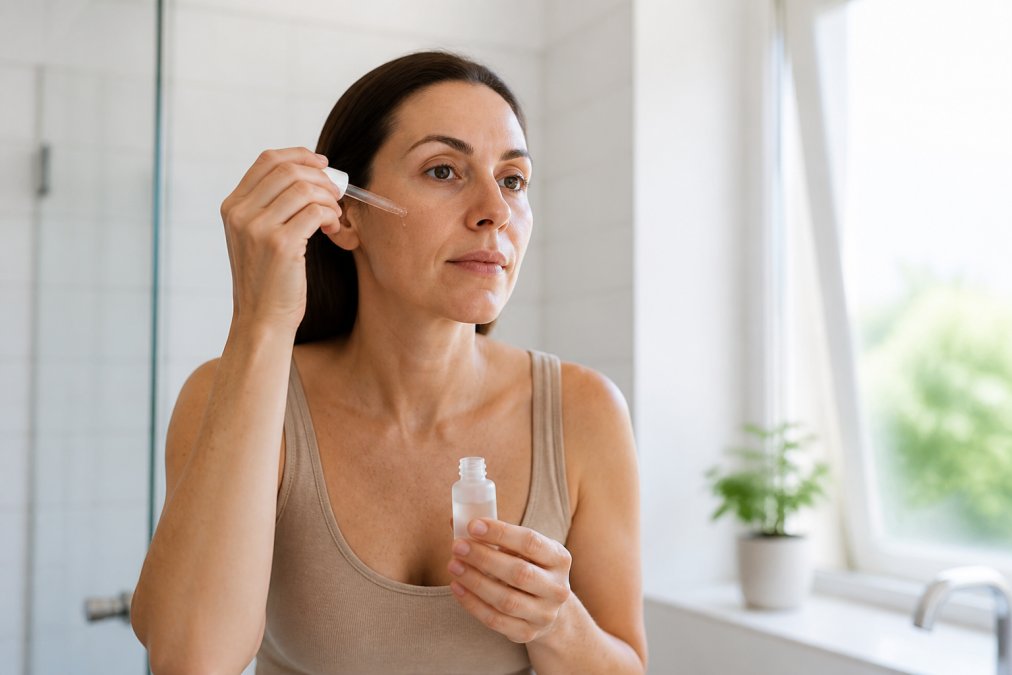
Follow immediately with a barrier-supporting moisturiser. This step is non-negotiable; peptides signal renewal, but moisturisers provide immediate hydration and occlusion your barrier needs whilst renewal occurs. The Pepcare Lab Barrier Cream delivers this through squalane and niacinamide, both supporting lipid barrier function without irritation.
Timing and consistency determine results. Your barrier doesn't repair overnight. Most people require 4-6 weeks of consistent twice-daily application before noticing meaningful improvements in texture, redness, and sensitivity. This timeline aligns with your skin's natural 28-day cell turnover cycle.
Avoid layering multiple peptide products simultaneously. Layering multiple peptide-containing products creates cumulative stimulation that triggers irritation rather than healing. Use one peptide serum paired with one barrier-supporting moisturiser.
Introduce other actives cautiously and sequentially. If using azelaic acid, vitamin C, or retinol alternatives, space them out. Use your peptide serum in the morning and reserve other actives for evening, or alternate days entirely.
Hydration from within supports barrier repair from without. Drinking adequate water, typically 2-3 litres daily, supports skin hydration at the cellular level.
Monitor your barrier's recovery through simple observation. Early signs of improvement include reduced erythema, decreased itching, and smoother texture. Your skin may appear slightly more plump as transepidermal water loss decreases. These changes typically appear within 2-3 weeks and accelerate through weeks 4-6.
Gentle Alternatives to Copper Peptides for Reactive Skin
If copper peptides have triggered significant sensitivity, or if your barrier is too compromised to tolerate their stimulation, alternatives exist that support skin renewal and anti-ageing without irritation risk.
Niacinamide and Azelaic Acid Combinations
Niacinamide is arguably the most versatile ingredient for sensitive skin. It reduces inflammation, supports barrier function, and decreases sebum production without stimulating excessive cell turnover. At 4-5% concentration, niacinamide visibly reduces erythema within days and improves texture within weeks (peer-reviewed research). Unlike copper peptides, it works through anti-inflammatory pathways rather than pro-inflammatory signalling.
Azelaic acid complements niacinamide by targeting specific sensitivity drivers. It reduces pro-inflammatory cytokines, supports skin microbiome balance, and addresses hyperpigmentation, common consequences of barrier damage. At 10-20% concentration, azelaic acid is effective without the harshness of higher-dose vitamin A derivatives.
Together, niacinamide and azelaic acid address multiple sensitivity concerns simultaneously. Niacinamide calms inflammation whilst supporting barrier repair, whilst azelaic acid prevents bacterial overgrowth and dysbiosis that often accompany compromised barriers. This combination is particularly effective for rosacea, post-inflammatory hyperpigmentation, or acne-prone sensitive skin.
Ectoin and Plant-Based Peptide Complexes
Ectoin is an extremolyte that protects cells under stress. Unlike peptides that signal cellular activity, ectoin provides direct protection to your skin barrier by stabilising proteins and lipids under inflammatory conditions. It works through protective rather than stimulatory mechanisms.
Plant-based peptide complexes derived from rice, soy, or botanical extracts offer peptide-like benefits with lower irritation potential. These complexes support collagen synthesis and skin elasticity through gentler signalling pathways than synthetic peptides. Ergothioneine and glutathione, naturally occurring antioxidants, often accompany plant peptide complexes, providing additional barrier support through antioxidant protection.
For those seeking anti-ageing benefits without copper peptide irritation, this approach requires patience. Results appear more gradually, but they're sustainable and unlikely to trigger sensitivity flares.
Building a Routine Without Copper Peptides
Creating an effective skincare routine without copper peptides requires strategic ingredient selection and sequencing. Your goal is supporting skin renewal, barrier function, and anti-ageing concerns whilst maintaining sensitivity tolerance.
Begin with a gentle cleanser that removes impurities without disrupting your barrier. Avoid sulfates and alcohol-based cleansers; instead, choose cream or oil cleansers that dissolve makeup and environmental debris without stripping natural oils. Cleanse once daily, typically in the evening, and use only water or a gentle micellar solution in the morning.
Your core routine should include three elements: hydration, barrier support, and targeted treatment.
Hydration layer: Apply a hydrating toner or essence immediately after cleansing, whilst your skin is still slightly damp. This locks in water and prepares your skin for subsequent products. Look for toners containing hyaluronic acid, glycerin, or ectoin.
Barrier support layer: Follow with a niacinamide serum or azelaic acid treatment, depending on your primary sensitivity concern. If you experience redness and inflammation, niacinamide is your priority. If managing post-inflammatory hyperpigmentation or acne-prone sensitivity, azelaic acid is more appropriate. Use 4-5% niacinamide or 10-15% azelaic acid on clean, damp skin.
Moisturiser: Seal everything with a barrier-supporting moisturiser containing squalane, ceramides, and cholesterol. The Pepcare Lab Barrier Cream delivers this function at $49.00.
For evening, you may introduce a secondary active if your barrier is stable. Bakuchiol provides anti-ageing benefits without vitamin A irritation. Start with 0.5% bakuchiol twice weekly, gradually increasing frequency as your skin adapts.
Avoid these common mistakes: layering multiple actives simultaneously, using high-alcohol products, over-exfoliating, and inconsistent application. Sensitive skin thrives on simplicity and consistency.
| Routine Step | Product Type | Key Ingredients | Frequency |
|---|---|---|---|
| Cleanse | Gentle cream or oil cleanser | Minimal surfactants, no alcohol | Once daily (evening) |
| Hydrate | Hydrating toner or essence | Hyaluronic acid, glycerin, ectoin | Twice daily |
| Treat | Niacinamide or azelaic acid serum | 4-5% niacinamide or 10-15% azelaic acid | Once or twice daily |
| Protect | Barrier-support moisturiser | Squalane, ceramides, niacinamide | Twice daily |
| Optional (evening) | Retinol alternative | Bakuchiol 0.5-1% | 2-3 times weekly |
If you've struggled with copper peptide sensitivity, the path forward isn't abandoning anti-ageing skincare, it's choosing ingredients and formulations designed for barrier-compromised skin. Niacinamide, azelaic acid, and plant-based peptide complexes deliver measurable results without the irritation risk that synthetic copper peptides carry for reactive skin.
For those ready to build a comprehensive routine, Pepcare Lab's approach combines barrier support with gentle peptide signalling. The Face Duo ($79.00) provides both hydration and barrier protection, whilst the Complete Collection ($129.00) extends care to your scalp and hair. Start with these essentials, allow 4-6 weeks for adaptation, and adjust based on your skin's response. Consistency and patience deliver results that shortcuts and complexity never will.

Frequently Asked Questions
What are the common side effects of copper peptides on reactive skin?
Copper peptides can trigger erythema, contact dermatitis, and transepidermal water loss in sensitive skin, particularly at concentrations above 1%. Common reactions include burning, stinging, redness, and flaking. These symptoms often occur within the first week of use. If you experience persistent irritation, discontinue use and allow your skin barrier to recover before introducing gentler alternatives like niacinamide or ectoin-based serums.
How do I choose a best copper peptide serum for sensitive skin?
Look for serums with 1% or lower GHK-Cu concentration, combined with soothing agents like niacinamide, hyaluronic acid, and squalane. Avoid formulations with additional active ingredients such as vitamin A derivatives or high-pH buffers. Patch test on your inner arm first, then apply to a small facial area for 3-5 days before full introduction. Pepcare Lab's Face Serum ($49) combines 1% copper peptides with niacinamide and hyaluronic acid, designed specifically for sensitive skin.
Can copper peptides be used alongside other active ingredients?
Copper peptides work best when paired with non-irritating complementary ingredients. Niacinamide, hyaluronic acid, and squalane enhance barrier repair without increasing irritation risk. Avoid combining with retinol, vitamin C (THD ascorbate), or azelaic acid initially, as these combinations can amplify sensitivity. If you want to introduce multiple actives, space them across your morning and evening routines, and wait at least 2-3 weeks between additions.
What should I look for in a peptide serum if I have a compromised skin barrier?
Prioritise formulations with lipid-barrier-supporting ingredients: squalane, ceramides, and fatty acids. Choose serums with lower peptide concentrations (0.5-1%) and avoid additional actives. Hyaluronic acid and glycerin reduce transepidermal water loss. Include a rich moisturiser like Pepcare Lab's Barrier Cream ($49) to seal hydration. Introduce peptides gradually over 2-3 weeks, and consider patch testing to rule out contact dermatitis before committing to daily use.
This article was written using GrandRanker