
Table of Contents
- What Are Silicones and Why Are They Used in Hair Care?
- Signs Your Hair Needs a Silicone-Free Routine
- How to Remove Silicone Build-Up from Hair
- Natural Alternatives to Heavy Silicones: Plant Oils and Esters
- Benefits of Silicone-Free Hair Care for Scalp and Strands
- GHK-Cu Benefits for Hair: A Peptide-Based Alternative
- Choosing the Right Silicone Alternatives for Your Hair Type
- Frequently Asked Questions
Last Updated: September 26, 2026
What Are Silicones and Why Are They Used in Hair Care?
Silicones are synthetic polymers that coat the hair shaft with a thin, flexible film. That film smooths the hair cuticle, locks in moisture, and reflects light, which is why conditioners and serums feel so slippery and leave hair looking glossy straight away.
The most common one is dimethicone, a heavy, non-volatile silicone that resists washing out. Lighter versions like cyclomethicone evaporate quickly and leave less residue. Cosmetic chemists call these conditioning agents; they work as emollients and form an occlusive barrier over each strand.
That barrier is genuinely useful. It tames frizz control, adds slip for detangling, and provides some thermal protection before heat styling. The trade-off is that the same film that creates shine and smoothness can trap product, oil and dead cells against the scalp over time.
This guide from Pepcare Lab examines the practical alternatives to heavy silicones in hair care, from plant-derived esters to peptide-based scalp care, and explains who actually benefits from making the switch.
Signs Your Hair Needs a Silicone-Free Routine
The clearest sign is hair that looks healthy on day one and flat, greasy or limp by day two despite regular washing. That pattern usually points to buildup rather than oil production.

Watch for these signals:
- Hair feels coated or waxy at the roots, even after shampooing
- Ends look smooth but the scalp itches, flakes or feels tight
- Curls and waves lose definition and sit flatter than they used to
- Products stop working, so you keep adding more
- Hair snaps easily when wet, suggesting the hair shaft is dry beneath the coating
A common mistake is treating this as a shampoo problem.
How to Remove Silicone Build-Up from Hair
Removing silicone build-up takes one clarifying wash, then a routine that stops it returning. You cannot lift heavy dimethicone with a gentle everyday cleanser alone; you need a stronger surfactant once, then consistency.
Here is the sequence that works:

- Clarify once. Use a clarifying or chelating shampoo to strip accumulated silicone, hard-water minerals and styling product.
- Skip the heavy conditioner. Follow with a lightweight, silicone-free conditioner or a plant oil applied to the ends only.
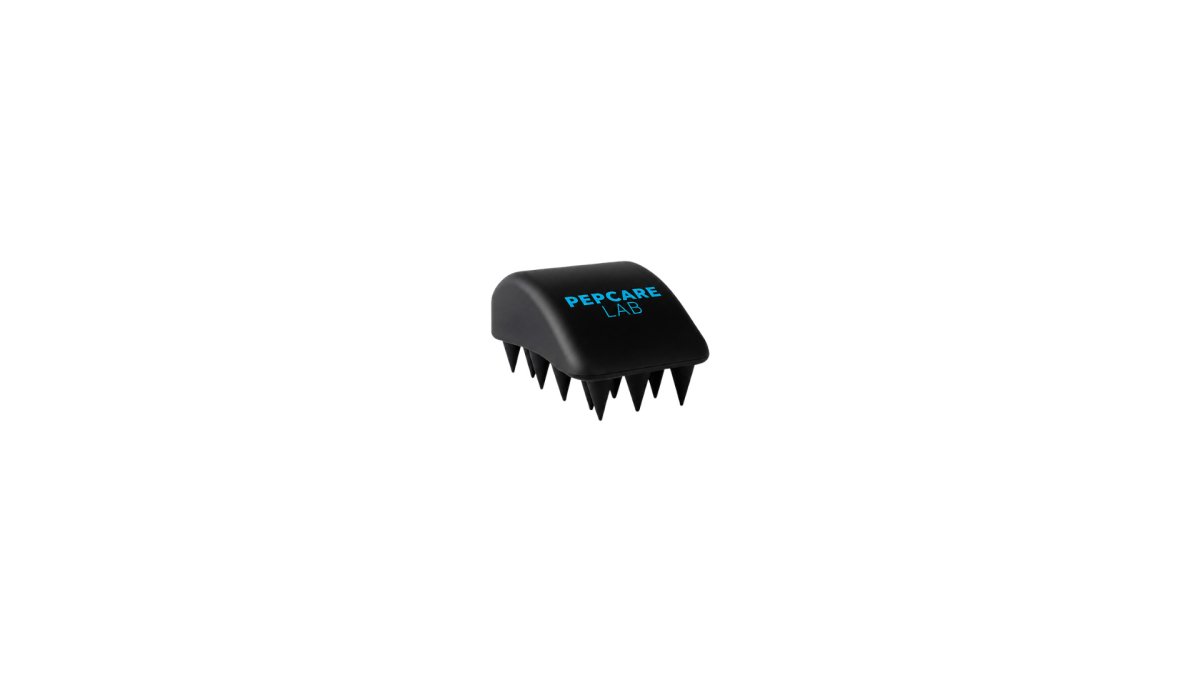
- Exfoliate the scalp. A hair and scalp brush with flexible silicone bristles lifts build-up and dead skin without scratching.
- Apply treatment to clean scalp. Serums absorb properly only when the follicle is not sealed under residue.
- Repeat clarifying monthly. Weekly clarifying is too harsh for most hair types and strips natural lipid replenishment.
Natural Alternatives to Heavy Silicones: Plant Oils and Esters
Plant oils and plant-derived esters are the most direct swap for heavy silicones because they smooth the hair cuticle and add slip without forming a sealed, non-soluble film. The difference is mechanical: a silicone like dimethicone wraps the strand in a continuous polymer layer, while most plant oils penetrate or sit in the gaps between cuticle scales, so they condition without blocking everything underneath.
-
Coconut oil (lauric acid, a straight-chain triglyceride) penetrates the cortex and has been shown in published cosmetic research to reduce protein loss during washing (pubmed.ncbi.nlm.nih.gov). Best for high-porosity or damaged hair.
-
Jojoba oil is technically a liquid wax ester, not a triglyceride. Its structure closely resembles human sebum, so it spreads easily and does not feel greasy. Good for oily scalps and fine hair.
-
Baobab extract is rich in linoleic acid and absorbs quickly, making it useful for lightweight moisture retention without weight.
-
Argan oil is high in oleic and linoleic acids. It adds shine and slip but mostly stays on the cuticle, which is why it can feel heavy if over-applied on fine hair.
-
Castor oil is thick and viscous. It seals well but is difficult to wash out and can create its own build-up on low-porosity hair.
| Alternative | Type | Best For | Key Strength | Watch Out For |
|---|---|---|---|---|
| Coconut oil | Penetrating | High-porosity, damaged hair | Reduces protein loss | Can weigh down fine hair |
| Jojoba oil | Penetrating (wax ester) | Oily scalp, fine hair | Sebum-like, non-greasy | Limited deep repair |
| Argan oil | Coating | Dry, coarse hair | Lightweight shine | Heavy if over-applied |
| Baobab extract | Penetrating | Fine, low-porosity hair | Lightweight hydration | Needs regular reapplication |
| Ethyl macadamiate | Ester | Frizz control, slip | Silicone-like feel | Less widely available |
| Castor oil | Coating | Thick, coarse hair | Strong sealing | Hard to wash out |
Benefits of Silicone-Free Hair Care for Scalp and Strands
The benefits of silicone-free hair care show up first in scalp health, then in the hair itself. When the follicle is not sealed under residue, treatment ingredients can actually reach it.
What changes over time:
- Better absorption. Peptides, niacinamide and botanical extracts reach the scalp instead of sitting on top of a coating.
- Less congestion. Fewer clogged follicles and less itching for people prone to scalp sensitivity.
- Real texture. Curls and waves hold their natural pattern instead of being flattened by film.
- Honest condition. You can see actual hair texture and damage rather than a temporary gloss.
GHK-Cu Benefits for Hair: A Peptide-Based Alternative
GHK-Cu is a copper peptide that supports collagen production and skin renewal, and it is increasingly used in scalp care for the same reason it is used on the face: it works with the tissue rather than coating it.
Choosing the Right Silicone Alternatives for Your Hair Type
Hair porosity should drive your choice more than hair type. Porosity is how easily your hair absorbs and retains moisture, and it determines whether an oil penetrates or sits on top.
Use this as a starting point:
- Fine, low-porosity hair: lightweight esters (ethyl macadamiate, isoamyl laurate), rice water, baobab extract. Avoid coconut oil and butters, which sit on top and cause build-up.
- Medium porosity, wavy hair: jojoba oil, argan oil, silicone-free conditioner on the ends. This is the easiest porosity to satisfy.
- High-porosity, damaged hair: coconut oil to penetrate and reduce protein loss, layered with a peptide scalp serum. You can handle heavier oils that would overwhelm fine hair.
- Sensitive or reactive scalp: fragrance-free peptide serums and gentle mechanical exfoliation with a scalp brush. Avoid essential-oil-heavy formulas.
The Transition Phase: What to Expect and How to Manage It
The transition phase is the part most guides skip, and it is the reason many people give up on silicone-free routines within a month. For the first two to four weeks, hair often feels drier, rougher, and more tangled because the coating is gone and the true condition of the strand is exposed. This is normal. It is not a sign the switch failed.
A practical four-week transition plan:
- Week 1: Clarify once with a chelating shampoo, then switch to a silicone-free conditioner. Expect increased tangling. Detangle in the shower with conditioner in, using a wide-tooth comb.
- Week 2: Add a lightweight leave-in oil or ester to damp ends only. Do not apply to roots. This replaces the slip you lost from silicone.
- Week 3: Introduce a peptide scalp serum if you have not already. The scalp environment is now clear enough for actives to absorb properly.
- Week 4: Assess. Most people find hair feels noticeably better by this point. If it still feels rough, check whether your conditioner contains hidden non-soluble silicones (look for ingredients ending in -cone, -conol, or -xane).
Frequently Asked Questions
What are some alternatives to silicone for hair care?
Plant oils like argan and jojoba, plant-derived esters such as ethyl macadamiate, and peptide-based serums are effective alternatives. These ingredients provide moisture and shine without the heavy coating that silicones can leave. For example, a lightweight hair serum with 2% copper peptides supports scalp health and smooths the hair shaft naturally.
Why do some people choose to avoid silicones in hair products?
Silicones can build up on the hair shaft over time, leading to dullness and weighing hair down. They may also trap moisture and irritate the scalp, especially for those with sensitive skin. Switching to silicone-free options helps maintain hair porosity and supports a healthier scalp environment.
How does silicone build-up affect scalp health?
Silicone build-up can create an occlusive barrier on the scalp, preventing hydration and clogging hair follicles. This may lead to flaking, itching, and reduced hair growth. Regular use of a scalp brush and a clarifying routine can help remove build-up and restore balance.
Are silicone-free products better for thinning hair?
Yes, silicone-free products can be better for thinning hair because they don't weigh down strands or block follicles. Ingredients like GHK-Cu peptides support scalp health and may encourage stronger-looking hair. A lightweight serum with 2% copper peptides is a suitable option for daily use.
How can I tell if my hair products contain heavy silicones?
Check the ingredient list for terms ending in -cone, -siloxane, or -conol, such as dimethicone or cyclomethicone. Water-soluble silicones are less likely to build up, but non-soluble ones can accumulate. Choosing products with plant-derived esters or peptides avoids this issue.