
Table of Contents
- What a Scalp Brush Does for Your Hair
- How to Use a Scalp Brush Correctly
- Scalp Brush for Shampooing and Cleansing
- Scalp Massage Brush for Hair Growth and Circulation
- How Often to Use a Scalp Brush
- Real Expectations: What a Scalp Brush Can and Cannot Do
- Scalp Brush Materials and Hygiene
- Conclusion
- Frequently Asked Questions
Last Updated: October 12, 2026
What a Scalp Brush Does for Your Hair
Understanding why use a scalp brush for hair health starts with what it does: it gently exfoliates your scalp, removes buildup, and stimulates blood circulation, creating the ideal environment for stronger-looking hair.

Your scalp accumulates product residue, dead skin cells, dirt, and oil, and this buildup can compromise hair quality.
Think of your scalp like soil. Healthy soil grows healthy plants. A neglected, clogged scalp cannot support strong hair growth, no matter what products you use.
The connection between scalp health and hair strength
Hair strength begins at the root. Follicles sit in your scalp, surrounded by small blood vessels that deliver nutrients. When the scalp is congested, those vessels struggle to nourish hair, resulting in weaker hair that breaks more easily.
Scalp health also affects your hair's appearance and texture. A clean scalp means:
- Hair looks shinier and more vibrant
- Hair feels softer and less weighed down
- Hair holds styles better
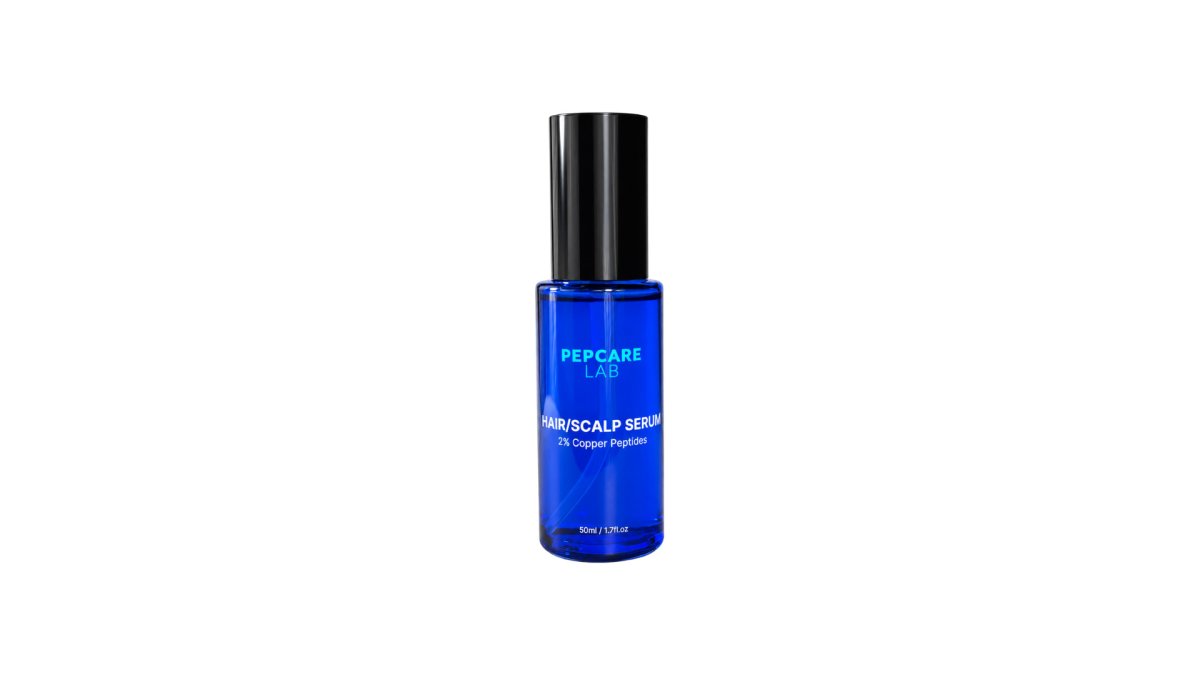
Regular exfoliation removes the barrier between your skin and your products, so serums and treatments work more effectively. Pair scalp brushing with a targeted hair serum to maximize both.
How to Use a Scalp Brush Correctly
Using a scalp brush correctly matters more than using it frequently, improper technique can irritate your scalp or pull hair.
Basic technique for all hair types:
- Wet your hair with warm water to soften your scalp
- Apply your hair serum or shampoo to your scalp
- Hold the brush at a 45-degree angle against your scalp
- Use gentle, circular motions across your entire scalp
- Spend 2-3 minutes massaging, focusing on areas of buildup
- Rinse thoroughly with cool water to close your hair cuticles
The key is gentle pressure: a pleasant massage, not scrubbing or pain. If your scalp feels tender, reduce pressure or shorten your session.

Technique for different hair types
Fine or thin hair: Use lighter pressure and shorter sessions (1-2 minutes), since your scalp is more sensitive to friction.
Thick or textured hair: Use moderate pressure and longer sessions (3-5 minutes). Circular motions cover more scalp area.
Curly or coily hair: Use the brush on wet hair only, never dry.
Sensitive or irritated scalp: Start with very light pressure and 1 minute of brushing, increasing over 2-3 weeks as your scalp adapts.
Scalp Brush for Shampooing and Cleansing
A scalp brush transforms your shampoo routine into a deep cleanse, reaching deeper into hair follicles and lifting away buildup your fingers cannot.
How to use a scalp brush when shampooing:
- Wet your hair thoroughly with warm water
- Apply shampoo directly to your scalp
- Use the brush with gentle circular motions for 1-2 minutes
- Focus on the crown, sides, and back where buildup collects
- Rinse with cool water until the water runs clear
This removes dirt, oil, and product residue far more effectively than fingers alone, leaving hair cleaner and lighter after the first use.
Many people find their shampoo lasts longer with a scalp brush, since it distributes product evenly and thoroughly, an efficiency that saves money over time.
Scalp Massage Brush for Hair Growth and Circulation
The relationship between scalp massage and hair health is often oversold.
What is plausible: Massage temporarily increases blood flow and many people find it reduces tightness, itchiness, and product buildup, the benefit most users actually notice.
What is not established: There is no reliable evidence that brushing or massaging the scalp directly causes new hair growth, increases density, or reverses pattern hair loss.
A useful way to frame it: Think of scalp brushing as scalp care, not hair-growth treatment.
How stimulation supports follicle health
Your hair follicles sit in the dermis, supplied by small blood vessels. Massage can briefly increase local blood flow, which is why the scalp may feel warm or tingly afterwards. That short-term effect is real; what's unproven is whether it translates into thicker or faster-growing hair.
A more honest list of what consistent, gentle massage may support:
- A cleaner scalp surface with less oil and dead-skin buildup
- Reduced feelings of tightness or itchiness
- Better spread and absorption of leave-in scalp serums
Notice that none of those claims require hair to grow faster. They are scalp-care outcomes, and they are the ones most users can actually observe.
Setting realistic expectations
If you're using a scalp brush hoping to regrow lost hair, adjust the goal. Realistic milestones:
- Within 1-2 weeks: scalp feels cleaner and less itchy; shampoo spreads more evenly.
- Within 4-8 weeks: hair may look less weighed down and feel softer, largely because buildup is being removed consistently.
- Ongoing: scalp comfort is maintained, and any serum you use is distributed more evenly.
Changes in hair density, if they happen at all, are slow and usually reflect other factors. Hair grows roughly 1-1.5 cm per month, so visible change takes months, not days.
If you have sudden shedding, patchy loss, or a diagnosed scalp condition, see a doctor or dermatologist rather than relying on a brush. A scalp brush can sit alongside professional advice, but it should not replace it.
How Often to Use a Scalp Brush
Frequency matters: too often can irritate your scalp, too rarely won't deliver results.
General guidelines:
- Normal scalp: 2-3 times per week
- Oily scalp: 3-4 times per week
- Dry or sensitive scalp: 1-2 times per week
Most people see the best results with consistent use 2-3 times weekly, enough to remove buildup and stimulate circulation without irritating the scalp.
Start conservatively. If you've never used a scalp brush before, begin with 1-2 times per week for 1-2 minutes.
Listen to your scalp: if you experience persistent itching, redness, or tenderness, reduce frequency and let it adapt.
Real Expectations: What a Scalp Brush Can and Cannot Do
Scalp brushes are powerful tools, but they're not magic. Understanding what they can realistically achieve prevents disappointment.
What a scalp brush CAN do:
- Remove visible buildup and dead skin cells
- Improve scalp cleanliness and comfort
- Increase blood circulation to your scalp
What a scalp brush CANNOT do:
- Regrow lost hair or reverse hair thinning on its own
- Cure underlying scalp conditions like severe dandruff or psoriasis
- Replace medical treatment for scalp infections
Hair growth is slow, about 15 centimetres per year, so changes take time. Most people notice improved scalp comfort within 1-2 weeks, while visible changes in hair appearance take 4-8 weeks of consistent use.
If you have significant hair thinning or scalp issues, a scalp brush is a supportive tool, not a complete solution.
Scalp Brush Materials and Hygiene
The material and bristle design of your scalp brush matter more than most buyers realise. The wrong brush can cause friction, tangling, or irritation, and a poorly cleaned brush becomes a hygiene problem.
Bristle types and what they suit
| Bristle type | Best for | Feel | Notes |
|---|---|---|---|
| Silicone | Most hair types, sensitive scalps | Soft, flexible | Easy to clean, does not absorb oils, long-lasting |
| Nylon | Thick or oily hair | Firmer | Good for lifting heavy buildup; can be too abrasive for sensitive scalps |
| Natural bristles | Fine or delicate hair | Soft | Can harbour bacteria and oils; needs more frequent cleaning |
| Rubber | Most hair types | Flexible, massaging | Durable, but check for rough edges on cheaper moulds |
Bristle flexibility matters as much as material. Soft, flexible bristles suit daily or sensitive use, while firmer bristles reach through dense hair but need lighter pressure. A mix of bristle lengths helps the brush follow the scalp contour rather than digging in.
Matching the brush to your hair type
- Fine or thin hair: Choose soft silicone or natural bristles. Firm nylon can tangle fine hair and create friction.
- Thick or textured hair: Firmer bristles or a brush with longer prongs help reach the scalp through dense hair.
- Curly or coily hair: Use a brush with flexible, widely spaced bristles and only on wet, conditioned hair to reduce breakage and preserve curl pattern.
- Chemically treated or colour-treated hair: Gentler is better. Avoid aggressive scrubbing, which can rough up the cuticle and dull colour.
Cleaning and drying routine
A scalp brush collects oil, dead skin, shampoo residue, and loose hair. Left damp, it can become a surface for microbial growth.
- Rinse under warm water after every use to remove shampoo and loose hair.
- Use your fingers or a small comb to lift hair out of the bristles.
- Once a week, wash with mild soap and warm water, working between the bristles.
- Shake off excess water and air-dry bristles-down so water drains away from the base.
- Store in a dry, ventilated spot, not in a sealed shower caddy where moisture lingers.
Silicone brushes are easiest to keep hygienic because they don't absorb oils and dry quickly. Natural-bristle brushes need more frequent cleaning and earlier replacement if they smell or feel greasy.
When to replace your brush
Replace your scalp brush every 6-12 months, or sooner if:
- Bristles are bent, matted, or missing
- The base is cracked or discoloured
- It develops a persistent smell despite cleaning
- You have had a scalp infection and want to start fresh
A worn or dirty brush is less effective and can irritate the scalp. Treat it like any personal care tool: clean it regularly, dry it properly, and replace it when it shows wear.
Conclusion
A scalp brush for hair health is one of the most underrated tools in any hair care routine. It removes buildup, stimulates circulation, and creates an environment where hair can thrive, a cleaner, healthier scalp supports stronger-looking hair.
The key is consistency and proper technique: use your scalp brush 2-3 times weekly with gentle circular motions and pair it with a targeted serum. Within weeks, your scalp will feel more comfortable and your hair healthier.
At Pepcare Lab, we've built our Hair and Scalp Duo specifically to address scalp health from two angles. Together, they create a complete routine that supports healthier-looking hair from the roots. Shop our Bestsellers and start your scalp transformation today.

Frequently Asked Questions
Can a scalp brush actually help with hair growth?
A scalp brush supports conditions that promote healthier hair by improving blood circulation, removing buildup, and exfoliating dead skin cells. Better scalp health creates an environment where hair follicles can function optimally. However, hair growth depends on genetics, nutrition, and overall health, a scalp brush is a supportive tool, not a treatment that regrows hair on its own. Realistic expectations matter: expect cleaner, stronger-looking hair and improved scalp comfort rather than dramatic regrowth.
How often should you use a scalp brush?
Most people can use a scalp brush 2-3 times per week during shampooing for best results. Daily use is safe if your scalp feels comfortable, but it is not necessary. If you have a sensitive or irritated scalp, start with once weekly and increase gradually. Listen to your scalp: if you experience redness, soreness, or increased flaking, reduce frequency. Consistency matters more than frequency, regular, gentle use beats occasional aggressive sessions.
Can you use a scalp brush on wet or dry hair?
You can use a scalp brush on both wet and dry hair, depending on your preference. Wet hair during shampooing is ideal because water softens the scalp and allows the brush to distribute shampoo and serum evenly. Dry scalp massage is also effective for stimulation and relaxation. Wet use may feel gentler, while dry use offers more direct scalp contact. Choose based on your routine and scalp sensitivity.
What makes silicone bristles better than other scalp brush materials?
Silicone bristles are flexible, non-scratching, and gentle on sensitive scalps compared to firmer materials like plastic or nylon. They provide effective exfoliation and massage without causing irritation or micro-tears. Silicone also resists bacterial growth and is easy to clean, making it more hygienic for regular use. If you have a sensitive scalp or have experienced irritation from other tools, silicone is the safer choice.