
Last Updated: October 29, 2026

Quick Summary
The best antioxidants for cellular skin health are vitamin C, vitamin E, ferulic acid and niacinamide, ideally applied consistently in a simple routine. Vitamin C is the most studied topical option, and it works best when paired with daily sunscreen rather than used in place of it.
- Vitamin C is the most studied topical antioxidant, typically used at 10-20% concentration.
- Ascorbic acid is most stable and best absorbed at a pH below 3.5.
- Opaque pumps or dark dropper bottles protect vitamin C better than clear jars.
- A vitamin C serum that has turned dark orange or brown has usually lost much of its activity.
- Introduce a new antioxidant every second day for a week before moving to daily use.
Table of Contents
- What Antioxidants Do for Cellular Skin Health
- Vitamin C for Skin: The Most Studied Antioxidant
- Vitamin E, Niacinamide and Other Topical Antioxidants Worth Knowing
- Antioxidant-Rich Foods for Skin Versus Topical Products
- Building an Antioxidant Skincare Routine Without Irritation
- Are Antioxidant Supplements for Skin Worth It?
- Choosing Your Next Step for Healthier-Looking Skin
- Frequently Asked Questions
Antioxidants are one of the few skincare ingredient groups with a clear job: they help neutralise the unstable molecules that build up in skin cells, particularly after sun exposure and pollution. This guide covers the antioxidants most worth knowing about for cellular skin health, how they work, and how to choose between topical and dietary options.

Our short answer is that the best antioxidants for skin are the ones you can apply consistently, tolerate comfortably and layer correctly into a simple routine. Below, we walk through the options, the evidence behind them, and the mistakes that most often undermine results.
What Antioxidants Do for Cellular Skin Health
Antioxidants are compounds that donate electrons to unstable molecules, calming the damage they would otherwise cause to skin cells. Cellular skin health depends largely on keeping that oxidative load in check. Beyond topical application, internal systemic support is achieved by incorporating specific foods for cellular repair that bolster the body's natural defense mechanisms against environmental stressors.
Free radicals and oxidative stress in the skin
Free radicals are unstable molecules that react with proteins, lipids and DNA inside skin cells. When they outnumber the skin's own defences, the result is oxidative stress. Over time this can contribute to dullness, uneven texture and the gradual loss of firmness that people associate with ageing.
How antioxidants help protect skin cells from sun and environmental damage
UV exposure and air pollution are the two biggest sources of free radicals on the face. Antioxidants applied to the skin can help reduce this damage, which is why many people pair them with daily sunscreen rather than using them as a replacement for it.
Vitamin C for Skin: The Most Studied Antioxidant
Vitamin C (ascorbic acid) is one of the most widely studied antioxidants in topical skincare. It is a water-soluble antioxidant that donates electrons to free radicals in the skin's aqueous compartments, and it also acts as a cofactor for the enzymes that stabilise collagen.
What the evidence actually supports
Results from topical antioxidant use are generally gradual rather than immediate, and are best judged alongside daily sunscreen use rather than in isolation.
Formulation matters more than the ingredient name
Three variables determine whether a vitamin C product is worth buying:
- Concentration. Many well-studied formulas sit in the 10-20% range for ascorbic acid. Higher concentrations are not automatically better and can increase irritation, particularly on sensitive skin.
- pH. Ascorbic acid is most stable and best absorbed at low pH, typically below 3.5. That acidity is also why some people experience stinging on application.
- Packaging and stability. Light and air accelerate oxidation. Opaque, airless pumps or dark glass dropper bottles protect the formula better than clear jars. A serum that has turned dark orange or brown has usually lost much of its activity and should be replaced.
Derivatives versus pure ascorbic acid
Derivatives such as sodium ascorbyl phosphate and magnesium ascorbyl phosphate are gentler and more stable but generally require conversion in the skin, which may reduce potency. They suit sensitive skin or those who cannot tolerate low-pH formulas. Pure ascorbic acid remains the best-studied option for those who can tolerate it.
Realistic expectations and safety
Judging a vitamin C product over several weeks of consistent use is a sensible approach. Mild stinging on application is common with low-pH formulas; persistent redness, burning or flaking is a sign to stop and patch test. If you are using prescription retinoids or have a diagnosed skin condition, introduce vitamin C cautiously and consider alternating days.
How to assess a product beyond the label
Look for the specific form of vitamin C, the percentage, the pH if disclosed, and the packaging type. A product that lists "vitamin C" without specifying the form or concentration is difficult to evaluate. Store serums away from direct sunlight and heat, and replace them if the colour or smell changes noticeably.
The article's key vitamin C formulation factors are summarised below so you can compare products quickly.
| Factor | Typical value in article | Why it matters |
|---|---|---|
| Concentration | 10-20% ascorbic acid | Higher is not automatically better; irritation risk rises |
| pH | Below 3.5 | Most stable and best absorbed; may cause stinging |
| Packaging | Opaque pump or dark dropper | Light and air accelerate oxidation |
| Colour change | Dark orange or brown | Usually means reduced activity; replace |
| Timing | Morning, before sunscreen | Complements UV protection, does not replace it |
Vitamin E, Niacinamide and Other Topical Antioxidants Worth Knowing
Niacinamide is an ingredient that supports the skin barrier and is commonly used in sensitive skin routines.
Other topical antioxidants include ferulic acid, which stabilises vitamin C and vitamin E when they are combined, and plant-derived compounds such as polyphenols. Their evidence base is thinner, so treat them as supporting ingredients rather than standalone solutions.
Antioxidant-Rich Foods for Skin Versus Topical Products
Eating antioxidants and applying them differ in their evidence, practical use and realistic expectations.
How each route reaches the skin
Dietary antioxidants from fruit, vegetables, nuts, seeds and green tea contribute to overall health. Topical antioxidants are applied directly to the skin, which is why they are the main focus of skincare routines.
Evidence quality: what is established versus emerging
Evidence for dietary antioxidants improving skin appearance is less direct than for topical use.
Practical use: how to combine both
A sensible approach uses both routes for different purposes:
- Diet for general wellbeing and baseline antioxidant intake. A varied diet rich in colourful vegetables, fruit, nuts and green tea is a reasonable foundation.
- Topical products for targeted skin outcomes, applied consistently as part of a simple routine.
- Supplements only after checking with a pharmacist or GP, particularly if you take other medications, as high doses of some antioxidants can interact with treatments.
When to prioritise one over the other
If your diet is already varied, a targeted topical antioxidant may be a useful addition to your routine. If your diet is limited or you have specific nutritional concerns, addressing that first is sensible. For most people, the practical answer is a balanced diet plus one well-formulated topical antioxidant used consistently.
Building an Antioxidant Skincare Routine Without Irritation
Sensitive skin reacts to too many active ingredients at once. Start with one antioxidant product, introduce it every second day for a week, then move to daily use if your skin stays calm.
In the morning, apply your antioxidant serum to clean, dry skin, follow with a barrier moisturiser, and finish with sunscreen. Keep the routine short: three steps is usually enough for most people.
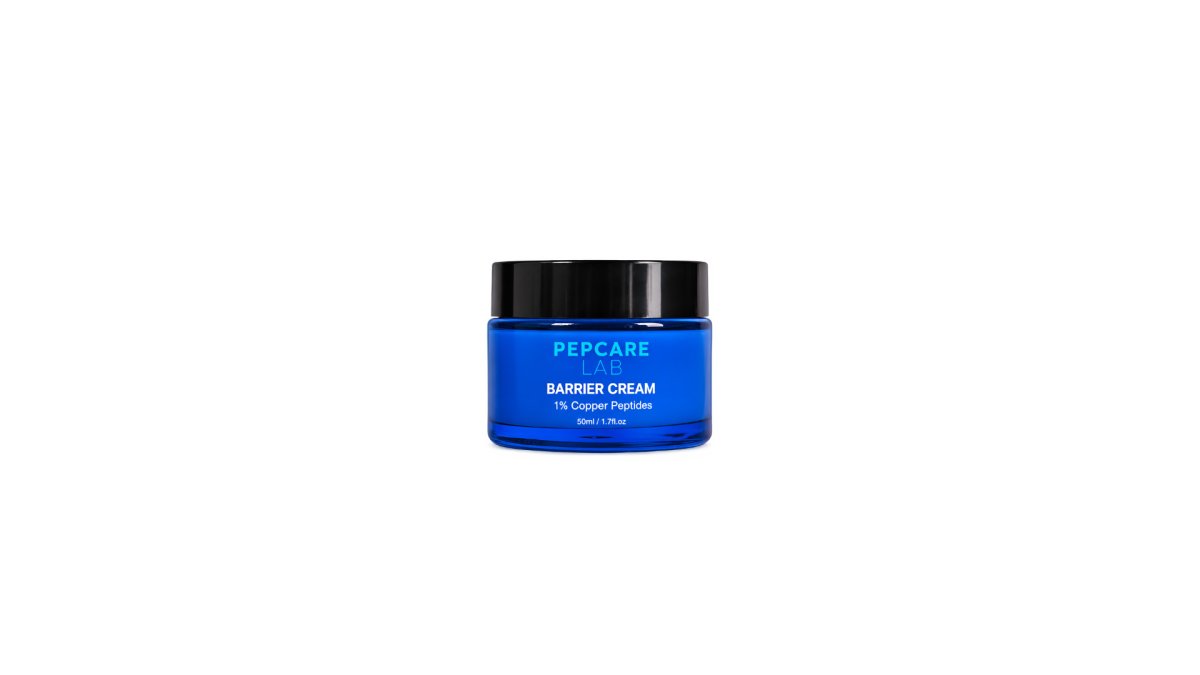
Our Face Serum, at $49.00 AUD, contains 1% Copper Peptides alongside niacinamide and hyaluronic acid, and is designed for daily use. The Barrier Cream, also $49.00 AUD, is designed to lock in hydration after your serum. If you want both, the Face Duo bundle is $79 AUD, which saves $19 compared with buying them separately.
Are Antioxidant Supplements for Skin Worth It?
The evidence that oral antioxidant supplements improve skin appearance is less direct than the evidence for topical use.
If you are considering supplements, speak with a pharmacist or GP first, particularly if you take other medications, as high doses of some antioxidants can interact with treatments.
Choosing Your Next Step for Healthier-Looking Skin
The best antioxidant routine is the one you will stick with. Start with a single well-formulated product, judge it over several weeks, and add complementary steps only when your skin tolerates them. If you want a simple place to begin, our Face Serum delivers copper peptides in a lightweight formula, and the Barrier Cream helps support the skin barrier that antioxidants work to protect.

Frequently Asked Questions
Do antioxidants improve skin?
Antioxidants can help protect skin cells from oxidative stress caused by sun exposure and pollution, which is one reason they feature in many daily routines. Topical antioxidants are generally studied for supporting the look of skin texture, tone and firmness over several weeks of consistent use. Results vary between people, and sensitive skin should be introduced slowly. A patch test on the jawline for a few days is a sensible first step before using any new antioxidant serum across the face.
Which antioxidant is best for skin?
There is no single best antioxidant for everyone. Vitamin C is one of the most researched topical options and is often used in the morning under sunscreen. Vitamin E is commonly paired with vitamin C for added stability. Niacinamide is gentler and suits many sensitive skin types. Choose based on your skin type, your routine and how your skin responds during a short trial period.
Are topical antioxidants better than antioxidant supplements for skin?
Topical antioxidants act directly on the skin surface, while supplements work from the inside through the diet and bloodstream. Each has a different role, and the evidence for oral supplements in improving skin appearance is less consistent than for topical products. A balanced diet rich in fruit and vegetables supports overall health. Discuss supplements with your GP or pharmacist, especially if you take other medications.
Can I use vitamin C and retinol together?
Vitamin C and retinol can be irritating together for some people with sensitive skin. Many routines use vitamin C in the morning and retinol at night to reduce the chance of irritation. Introduce one active at a time and watch for redness, stinging or dryness. If irritation occurs, reduce frequency and use a barrier-supporting moisturiser.
